Stellantis and Jaguar Land Rover have signed a non-binding Memorandum of Understanding that formally opens discussions between the two groups on possible collaborations for the U.S. market. At this stage, the agreement does not include any defined operational deal, and the companies have not announced specific models, shared platforms or industrial programs.
Instead, the MoU acts as an exploratory first step through which the two automakers intend to assess whether they can integrate their respective technological and product expertise.
Stellantis and Jaguar Land Rover explore new U.S. market alliance

Antonio Filosa, CEO of Stellantis, pointed to the exploration of synergies in product and technology development as a possible source of benefit for both sides, with the goal of strengthening the offerings aimed at American customers.
PB Balaji, CEO of Jaguar Land Rover, described the agreement as a tool that could create new opportunities and support the British automaker’s long-term growth in the United States, a market that remains one of the most important for both groups in terms of size and margins.
The decision to start this dialogue comes at a time when development costs in the automotive industry continue to rise and the technological transition requires increasingly large investments. Targeted alliances therefore make strategic sense even between groups that operate in different segments.
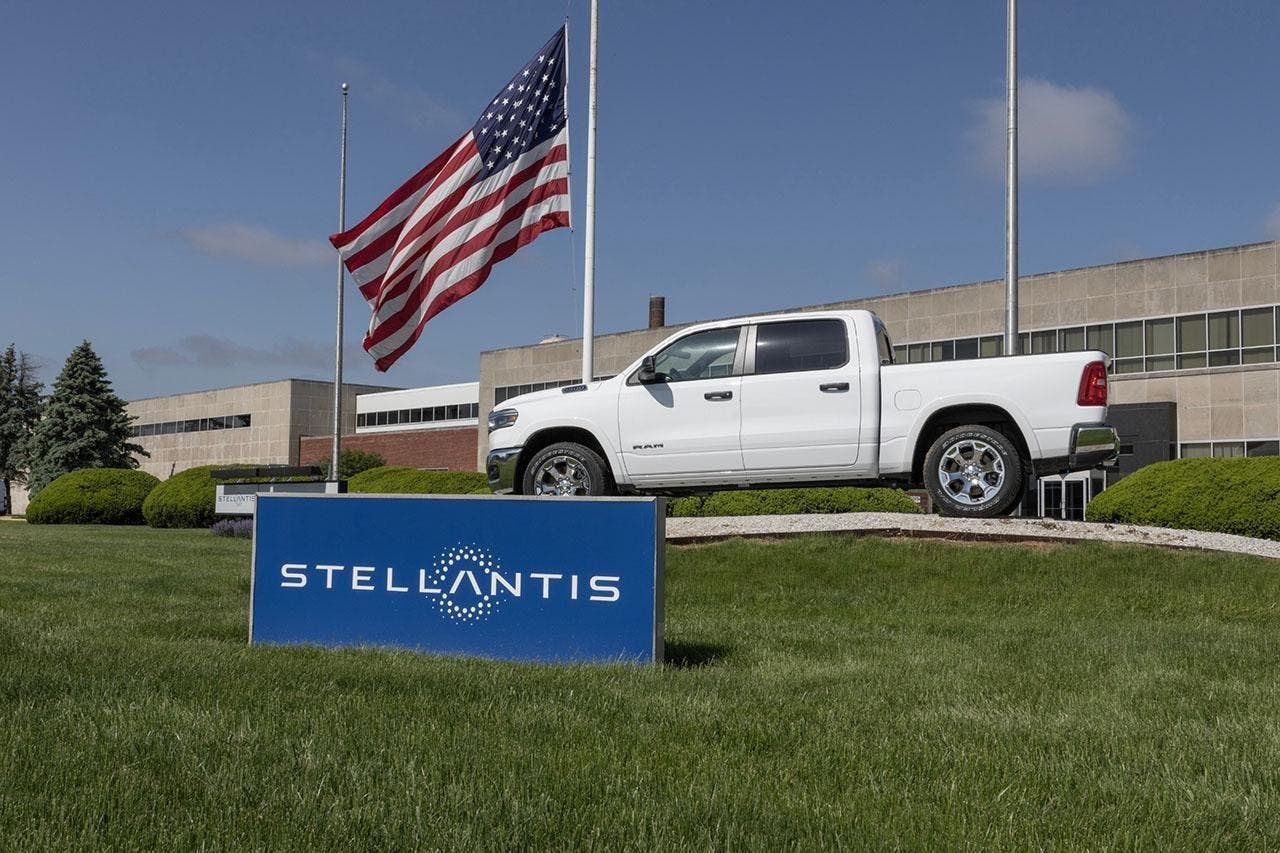
The United States represents a particularly demanding market from this point of view, because competitiveness requires high-quality products, updated technologies and efficient commercial networks. All these areas could benefit from shared investment. Any operational developments will depend on the outcome of the discussions started through the Memorandum and on the possible signing of binding agreements at later stages.
For now, the understanding between Stellantis and Jaguar Land Rover remains an opening in principle. However, the fact that two manufacturers of this size have formalized a discussion table suggests that cross-industry partnerships are becoming an increasingly structural part of industrial strategies aimed at the North American market.