

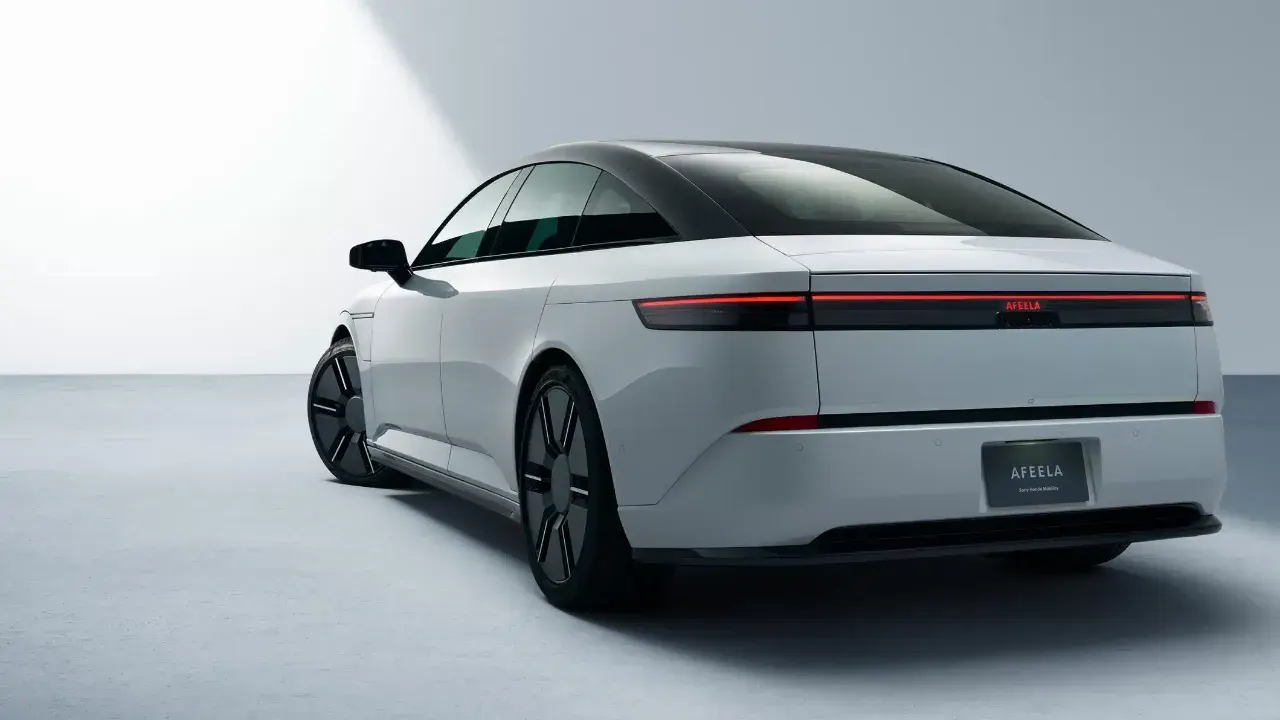
March 2026 will be remembered as the moment the digital dream finally met the cold, hard reality of the asphalt. The Afeela 1, that sleek, screen-laden promise of a PlayStation on wheels, has been officially sent to the great scrapyard in the sky. Sony Group and Honda have pulled the plug on their star-crossed electric child, proving once again that building a car is a lot harder than coding a boss fight in a video game.
Sony Honda Mobility, the joint venture born from the desperate hope that Honda’s hardware could find a soul in Sony’s software, is now pivoting. And by “pivoting”, we mean frantically searching for a Plan B. While the Afeela 1 is dead, the companies insist they are still friends.
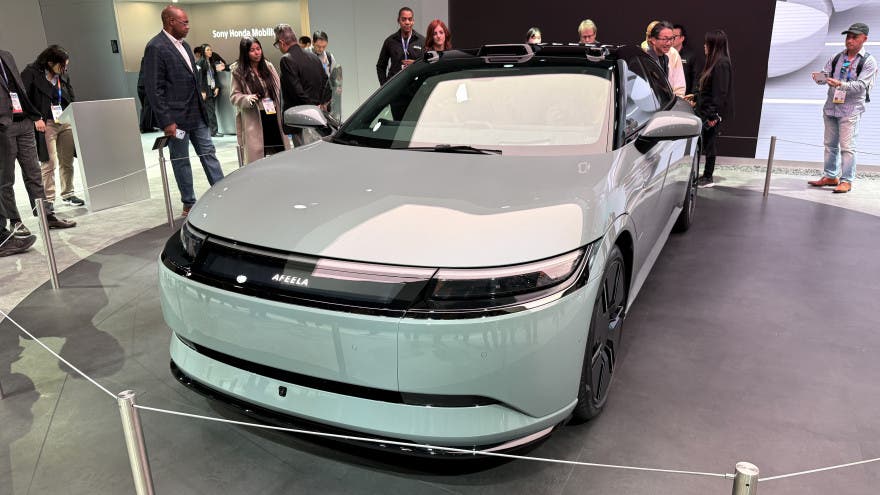
They’ll keep the joint venture alive to focus on “other opportunities”. Expect to see the Afeela’s DNA cannibalized into AI assistants and high-end audio systems. Essentially, they’re giving us the ghost of the car without the actual car. It’s like being promised a Ferrari and receiving a very expensive branded keychain.
Roughly 400 employees are now caught in this strategic “Original Sin”, waiting to see if they’ll be absorbed back into the motherships or left in the digital cold. Honda’s electrification strategy is clearly at a crossroads, or perhaps more accurately, stuck in a roundabout. While the rest of the world are sprinting ahead with EV tech that actually exists in showrooms, Honda seems to be retreating into a defensive shell.
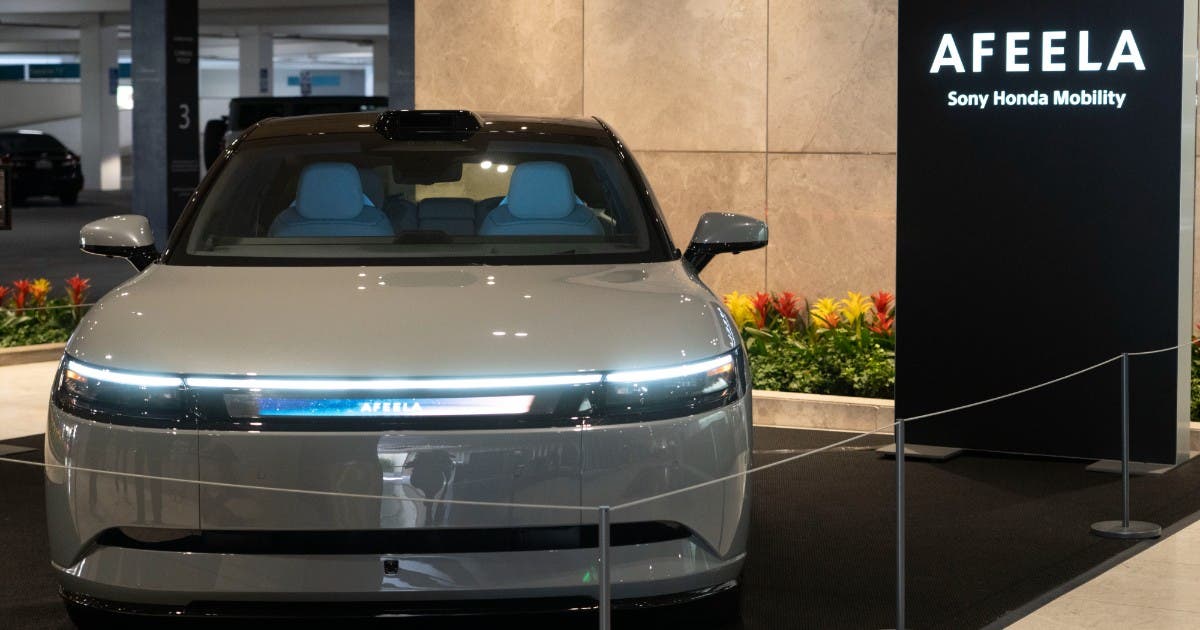
We are witnessing a profound identity crisis. Honda, once the king of engineering purity, is struggling to find its footing in a market that demands more than just reliability; it demands a digital revolution that Honda isn’t quite ready to lead. They tell us the door isn’t “completely closed” on a future electric passenger car, but with no timeline and a shrinking appetite for bold risks, that door looks pretty bolted.