

Samsung SDI has decided to inject another 1.6 trillion won, equal to about $1.05 billion, into StarPlus Energy, the joint venture it created with Stellantis to produce batteries at the Kokomo plant in Indiana. The move emerged through a filing submitted to regulators and later reported by Reuters. It comes at a time when the U.S. site is going through a major industrial transformation, gradually expanding its focus from producing battery cells only for electric vehicles to also building stationary energy storage systems, a segment that is taking on a growing role in the strategies of major battery makers.
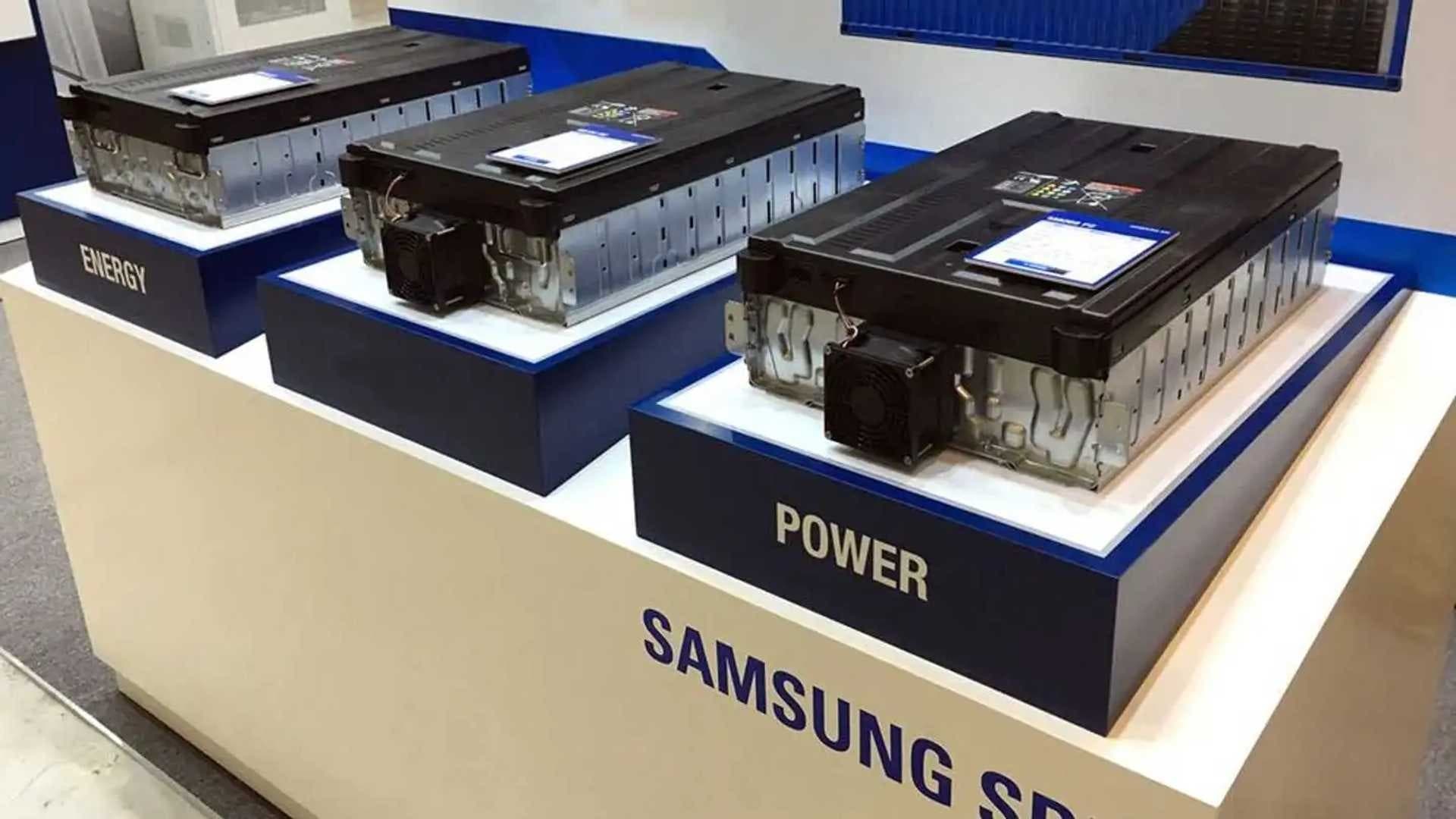
That shift had already started to take shape by the end of 2025, when some production lines began to change over. Right now, the plant operates one line for NCA batteries used in energy storage and another line for battery cells intended for Stellantis electric vehicles, which had already started earlier.
Samsung SDI invests another $1.05 billion in its Stellantis battery venture
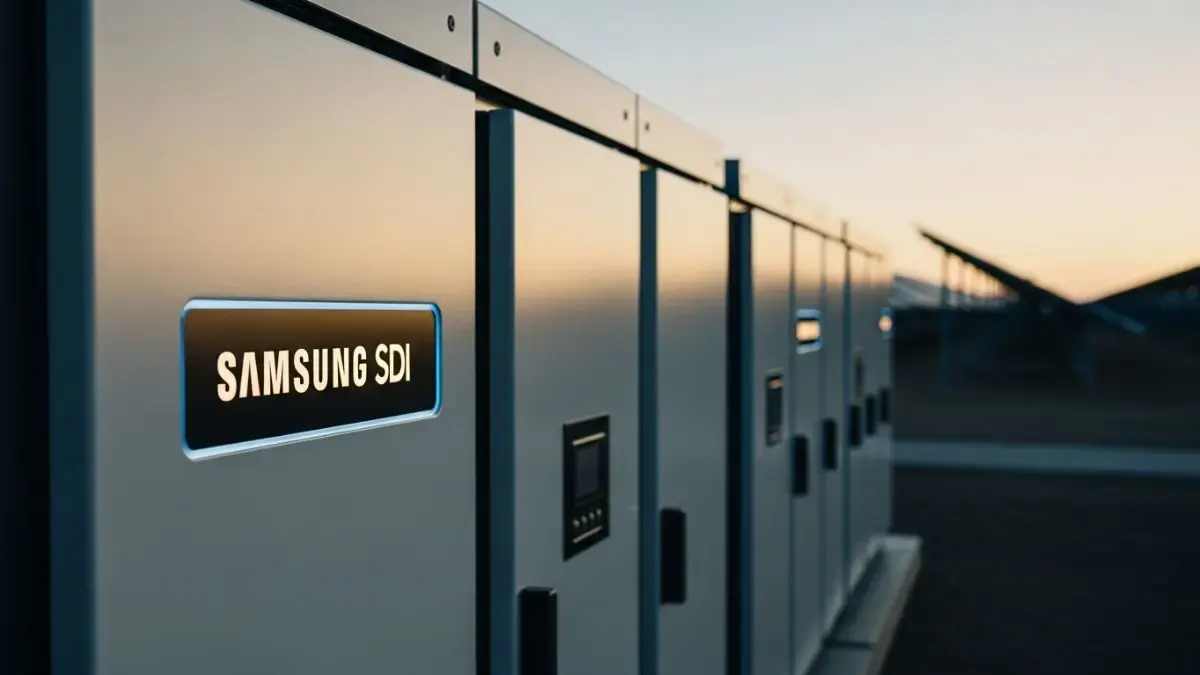
In the second half of 2026, Samsung SDI plans to add production of LFP lithium iron phosphate batteries for storage systems. That move also draws support from the recent three-year agreement the company signed with supplier L&F for the supply of LFP cathode materials worth about 1.6 trillion won, with an option to extend the deal for another three years starting in 2027.
That agreement carries meaning beyond the industrial plan itself because it fits into a broader effort to reduce dependence on Chinese-sourced materials and strengthen competitiveness in a market where Asian producers still hold a dominant position.
Even so, this new funding arrives in a context that still includes uncertainty over the future of the Samsung SDI and Stellantis partnership. According to earlier reports from Bloomberg, the automaker has been considering several options for a possible sale of its stake in the joint venture after taking more than $26.5 billion in writedowns tied to electrification and software programs.
Despite those reports, the size of the Korean group’s financial commitment suggests Samsung SDI still sees the Kokomo project as a strategic long-term asset. That reading also gains support from the $7.54 billion loan the U.S. Department of Energy granted in December 2024 to back the broader program.
At the same time, Samsung SDI has continued expanding its storage business in the U.S. market, securing another four-year contract worth 1.5 trillion won that confirms its intention to diversify revenue sources well beyond the automotive sector.
Taken together, these moves suggest that even in a period marked by uncertainty over the pace of the electric transition in the auto industry, building and strengthening manufacturing capacity in the United States remains a priority for the Korean group. Samsung SDI appears to have chosen the flexibility of the Kokomo plant as a key tool for adapting to shifts in demand without giving up the industrial scale needed to compete with Chinese battery makers.