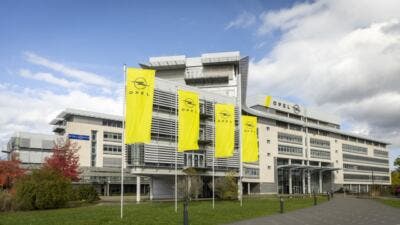
Stellantis confirmed on Friday what the numbers had been whispering for years. Roughly 650 engineers at its Rüsselsheim technical center are out. Of the 1,650 still employed at the historic German site, only 1,000 will keep their desks.
The official line? The group wants to “strengthen Germany’s competitiveness”. The actual line? Rüsselsheim is being quietly downgraded from a full-scale automotive design hub to a specialized node focused on lighting, artificial intelligence, and advanced driver assistance systems. To be fair, lighting and AI are not nothing. But they’re also not what you build a century-long engineering reputation on.
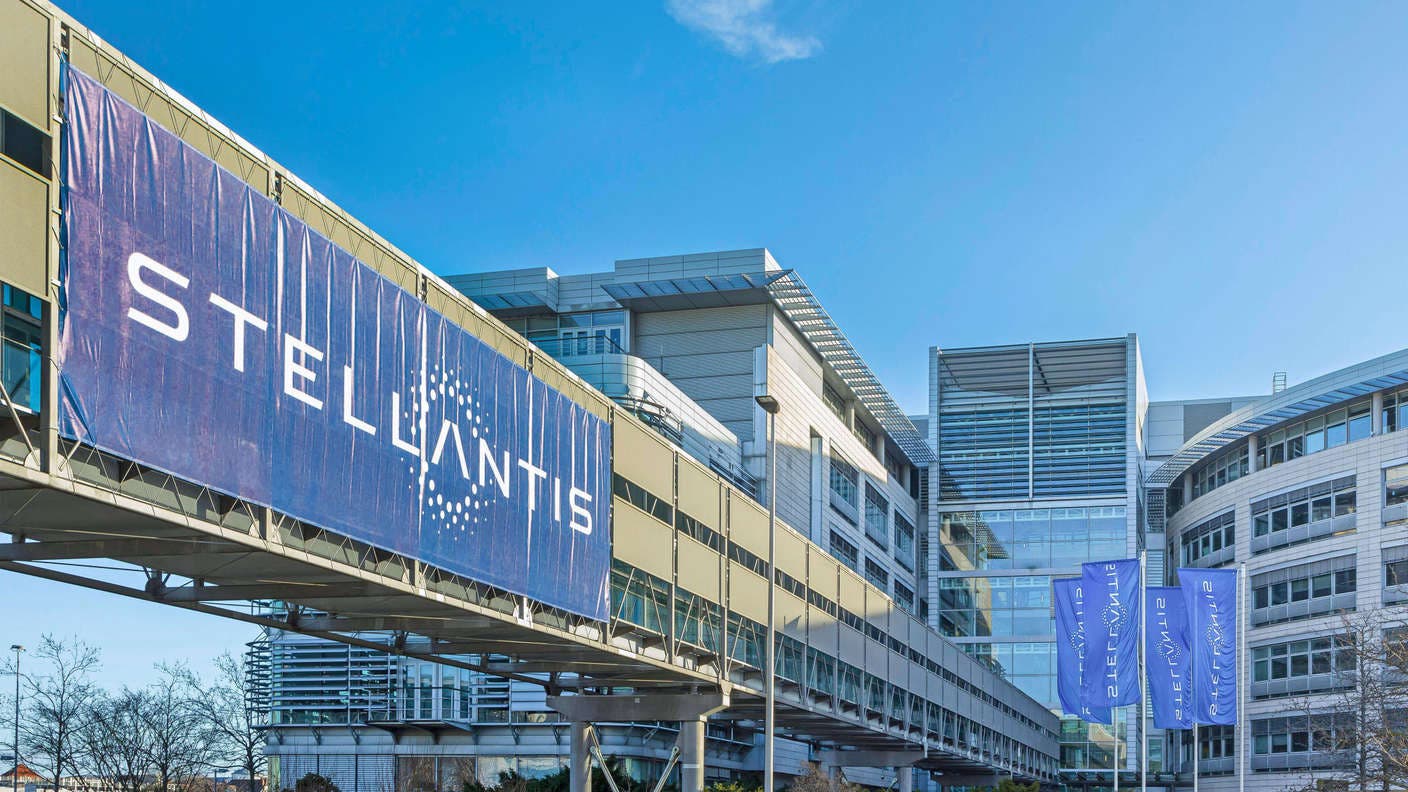
The German press has been blunt about what it sees as a “constant erosion” of domestic expertise within the group. The math is difficult to spin. Since PSA acquired Opel in 2017, the Rüsselsheim engineering workforce has shrunk sixfold, from 7,700 to 1,650, and soon to just over a thousand.
Patrick Burghardt, the city’s mayor, is openly anxious about what happens after 2029, when current job guarantees expire. The details, voluntary exits, early retirements, are still being negotiated, which in corporate language generally means the decision has already been made.
Meanwhile, the contrast with what’s happening elsewhere in the Stellantis universe is hard to ignore. In Sochaux, France, the group is investing €120 million in a new automated, low-carbon paint facility and hiring 1,400 people, 700 of them engineers, 350 dedicated exclusively to R&D. The historic French plant is being positioned as a blueprint for the factory of the future.
Across the Atlantic, Stellantis has announced plans to bring on 2,000 engineers in the United States as part of its so-called “Deep Reset” strategy, a rebranding exercise centered on quality, customer satisfaction, and market relevance.
Stellantis is moving engineering capacity to wherever it calculates the best return, financially, strategically, or politically. It’s a networked competency model, not a loyalty program. Germany gets headlights and algorithms. France gets the future of manufacturing. The U.S. gets a reset. Rüsselsheim gets a polite goodbye dressed up as a specialization.