In 2025, Porsche absorbed more than $811 million in costs linked to customs duties, an impact that helped push profitability down from 14.1 percent in 2024 to 1.1 percent the following year. Those figures led new CEO Michael Leiters to admit publicly, during the presentation of the annual results, that the option of starting production in the United States is now on the table, after only a few months ago the idea had seemed almost incompatible with the identity of a brand traditionally tied to European manufacturing.
Porsche may build cars in the US as tariffs crush profits
According to Automotive News, Leiters explained that such an operation would be extremely expensive, because building a plant also means developing a local supplier network capable of supporting the entire production process.
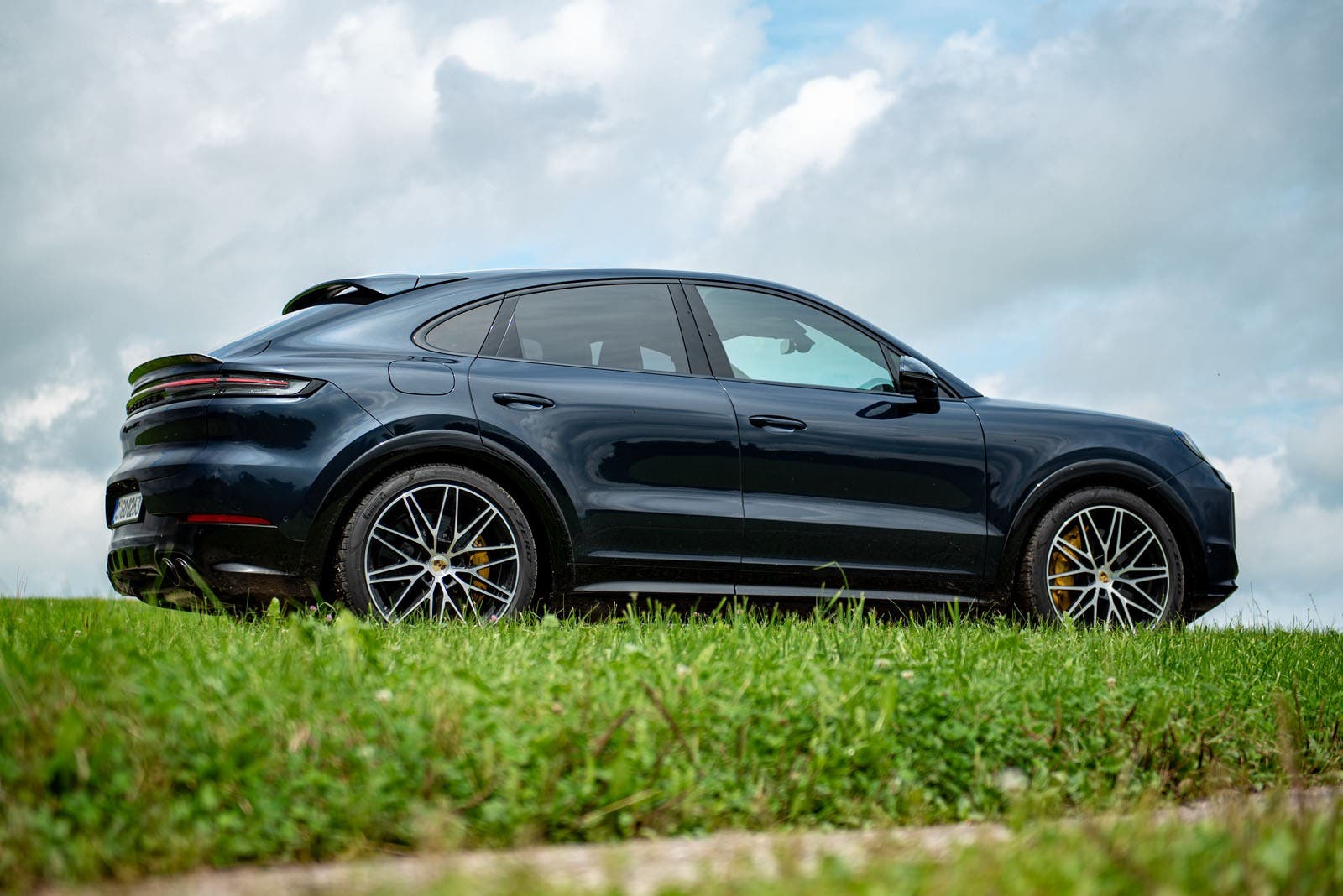
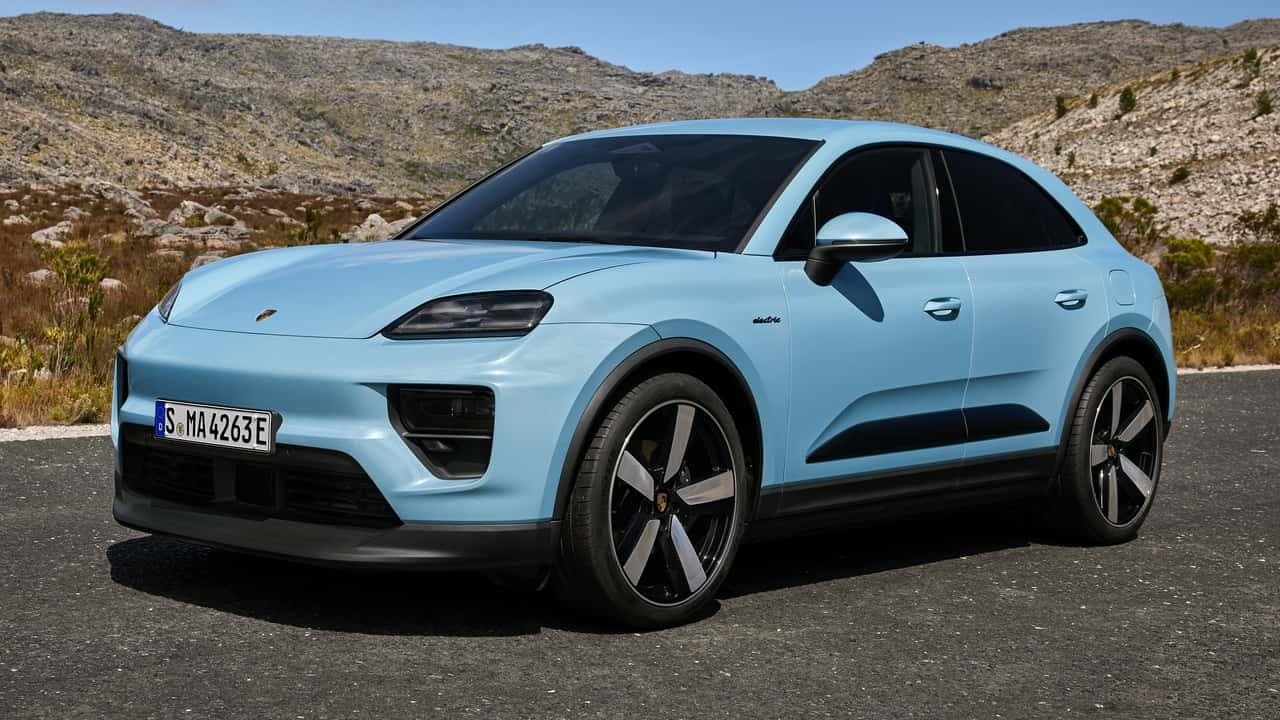
The growing weight of the North American market makes that option increasingly plausible. It now accounts for almost one third of the brand’s global deliveries. Models such as the Cayenne and Macan, which Porsche currently assembles in Europe, post particularly strong sales volumes in the United States, and moving production there would allow the company to avoid the 15 percent tariff, improve margins, and limit possible price increases for customers. That prospect gains momentum especially at a time when sales in Asia show a clear slowdown, shifting the commercial center of gravity for many European carmakers toward North America.
The financial pressure linked to tariffs does not affect Porsche alone and extends across the entire Volkswagen Group, which paid more than $3.3 billion in duties on imported vehicles in the first nine months of 2025. In his March 10 remarks, group CEO Oliver Blume made clear that the company cannot both absorb tariff costs on that scale and finance the construction of new plants at the same time, and that it will need to decide very carefully where to direct the resources available. The dilemma facing major European carmakers remains the same. They can continue exporting and absorb the weight of tariffs, or they can invest huge sums to produce directly on American soil.
Volkswagen, however, already has some operating infrastructure in the United States, unlike Audi, which has no production lines in the country and has frozen some expansion plans. The Chattanooga plant in Tennessee could offer additional capacity to assemble more profitable models from other group brands, especially as production of the ID.4 slows.
At the same time, reports continue to circulate about the possible future use of the new Scout plant in South Carolina for Audi or Porsche models intended for the American market. That solution would allow the group to leverage investments already underway without multiplying industrial costs at a time that demands quick adaptation to a global scenario in constant change.