

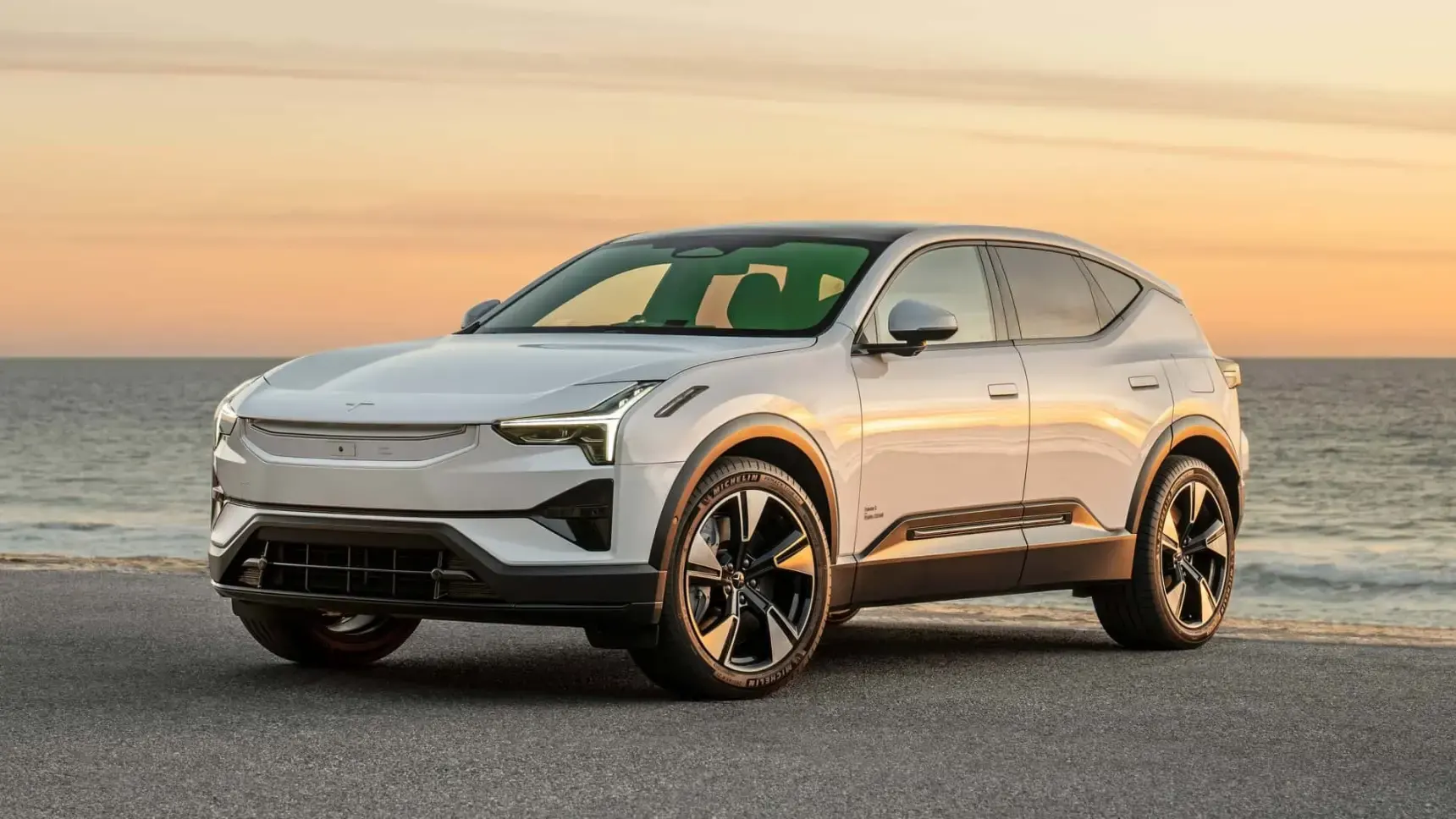
The US Connected Vehicle Rule has produced one of its first direct consequences in the automotive sector, forcing Polestar to stop selling new vehicles in the United States starting with model year 2027. The Bureau of Industry and Security at the Department of Commerce has not granted the brand the authorization needed to continue operating in the country, applying the rule that restricts the sale and import of vehicles equipped with software or hardware linked to China and Russia, which are considered potential national security risks.
Chinese software rules force Polestar to stop US sales from model year 2027
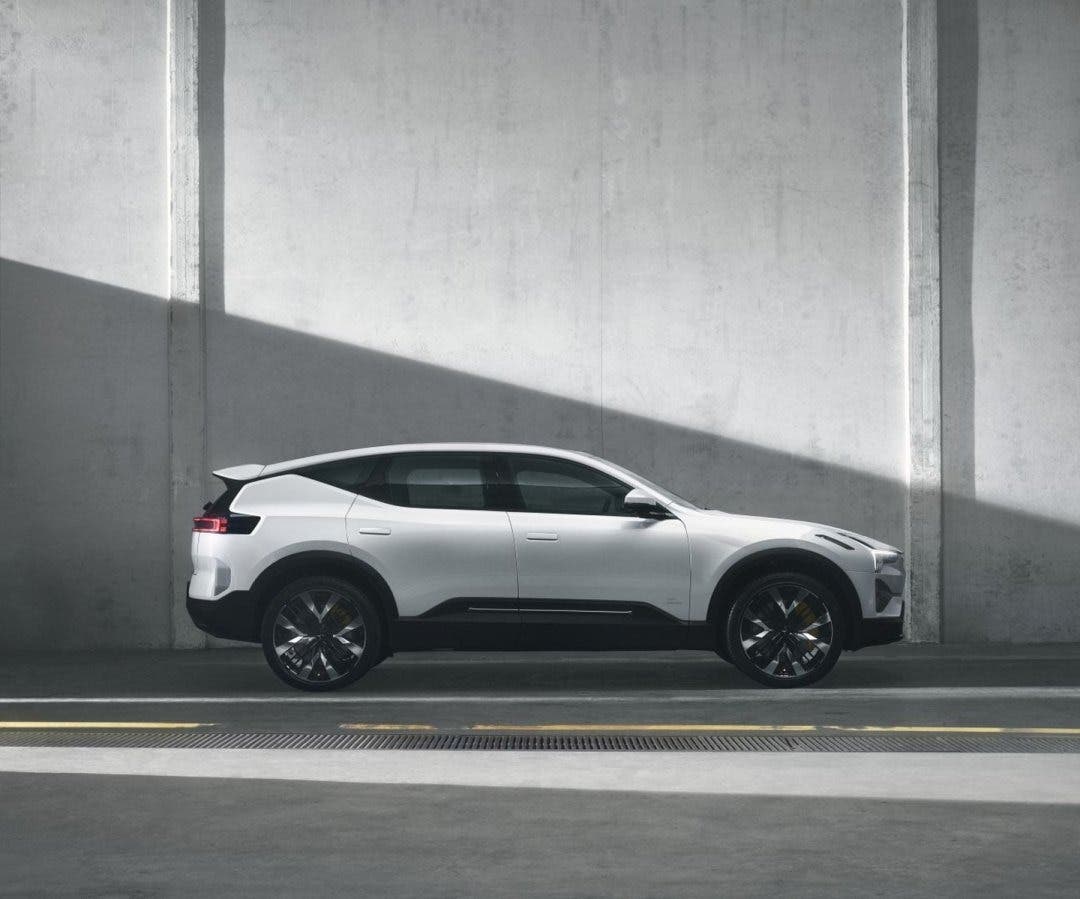
What makes Polestar vulnerable to the new regulation is the brand’s corporate structure. Polestar is based in Sweden, but it is controlled by China’s Geely Group. The rule does not only consider where vehicles are assembled. It also looks at ownership control, the technology supply chain, onboard software and the potential risks of data access through cellular connectivity, Bluetooth, Wi-Fi, telematics and sensor systems. The case of Volvo, also part of the Geely ecosystem but authorized to continue selling vehicles in the United States under specific conditions, shows how complex the assessment is and how it cannot be reduced to a single criterion.
The commercial impact on Polestar appears limited in numerical terms, since the American market represented just 6% of the brand’s global sales in the first quarter of 2026. Polestar will continue to clear existing stock of the Polestar 3 and Polestar 4, while maintaining service and warranty coverage for current customers. The brand will also keep a presence in Canada. However, the arrival in the United States of future models such as the Polestar 5 and Polestar 6 now appears unlikely in the short and medium term, unless the rules change.
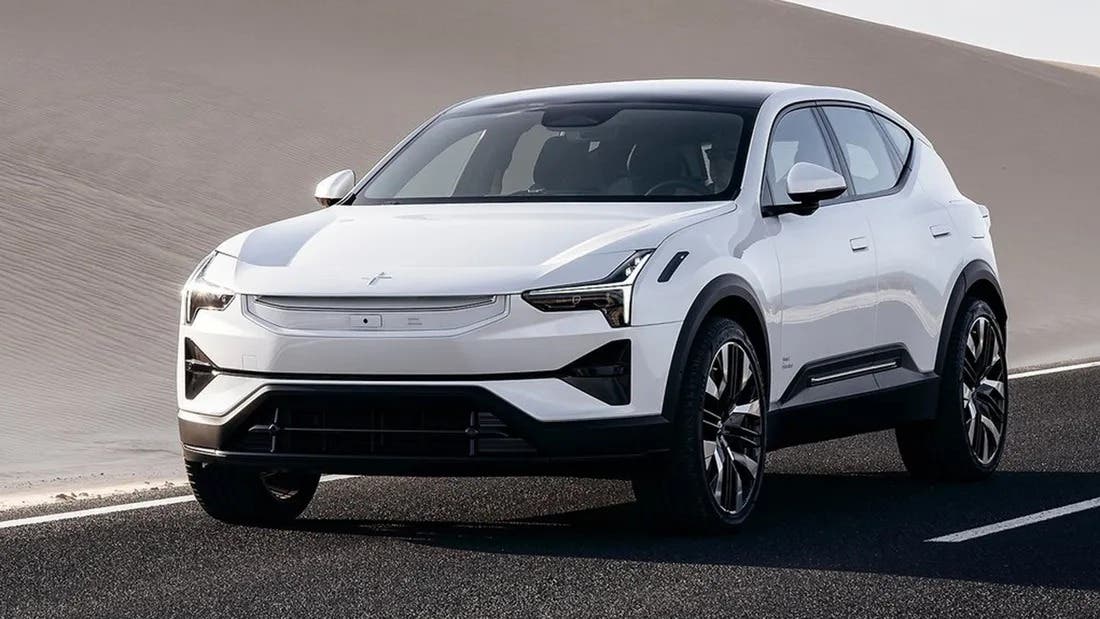
CEO Michael Lohscheller has identified Europe as the brand’s main area for future growth, with production of the Polestar 7 planned directly on the European continent. Polestar also intends to strengthen its presence in Southeast Asia, Eastern Europe and Latin America, adapting its strategy to an automotive market that is becoming increasingly fragmented on a regional basis.
The case could foreshadow similar scenarios for other manufacturers with supply chains, software or ownership structures linked to China. The United States now treats connected vehicles as strategic technology products, and the ability to meet requirements on data, software and industrial governance will become a prerequisite for access to the US market, just like technical vehicle homologation.