

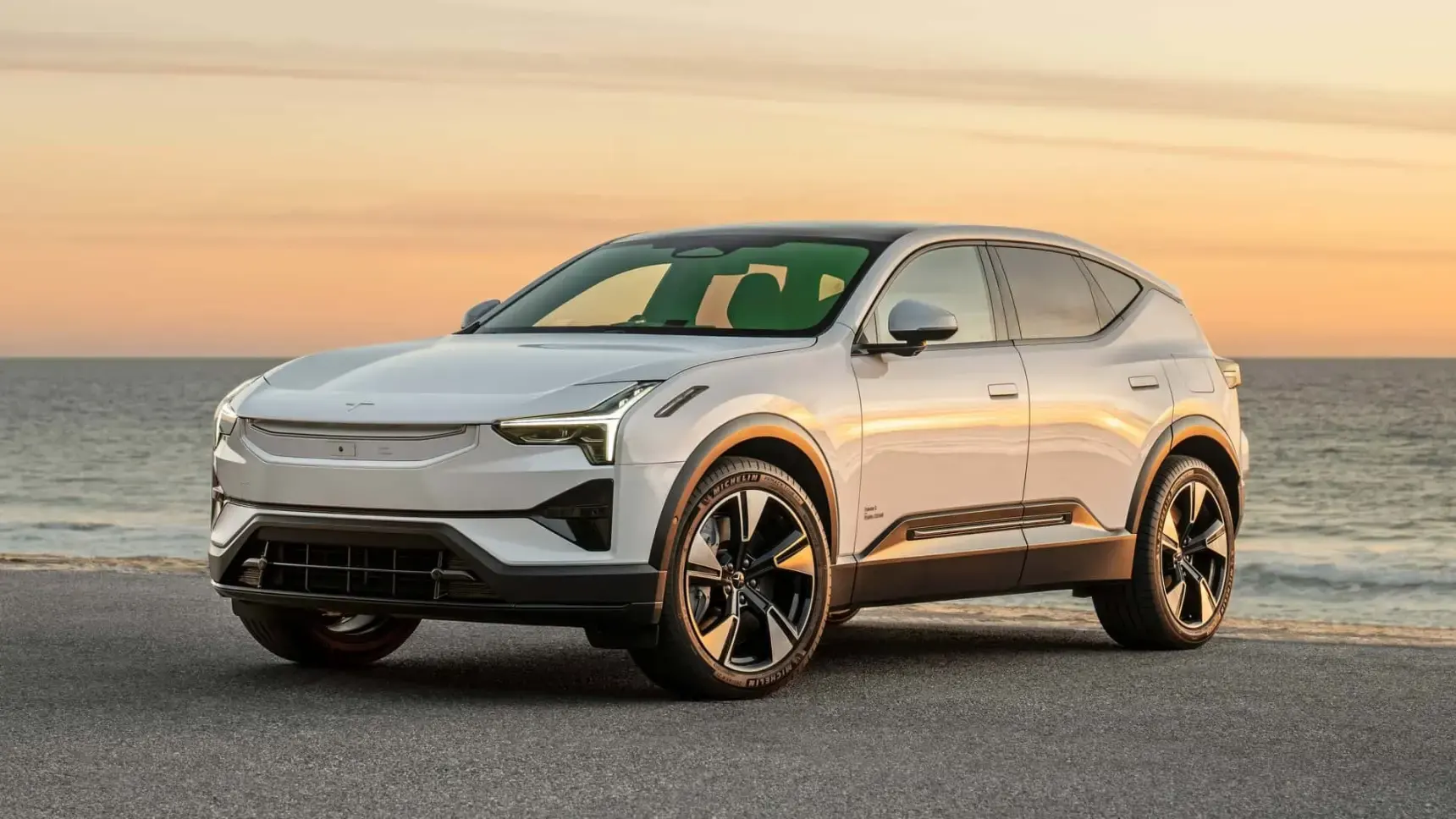
Polestar is offering discounts of up to around 25,000 dollars on the Polestar 3 and Polestar 4 in the United States after U.S. rules blocked the Geely-controlled Swedish brand from selling new vehicles in the country. The decision comes as a direct consequence of the Connected Vehicle Rule, which limits the import of cars equipped with connectivity and driver-assistance systems linked to China and Russia.
Polestar slashes prices in the U.S. after connected car ban
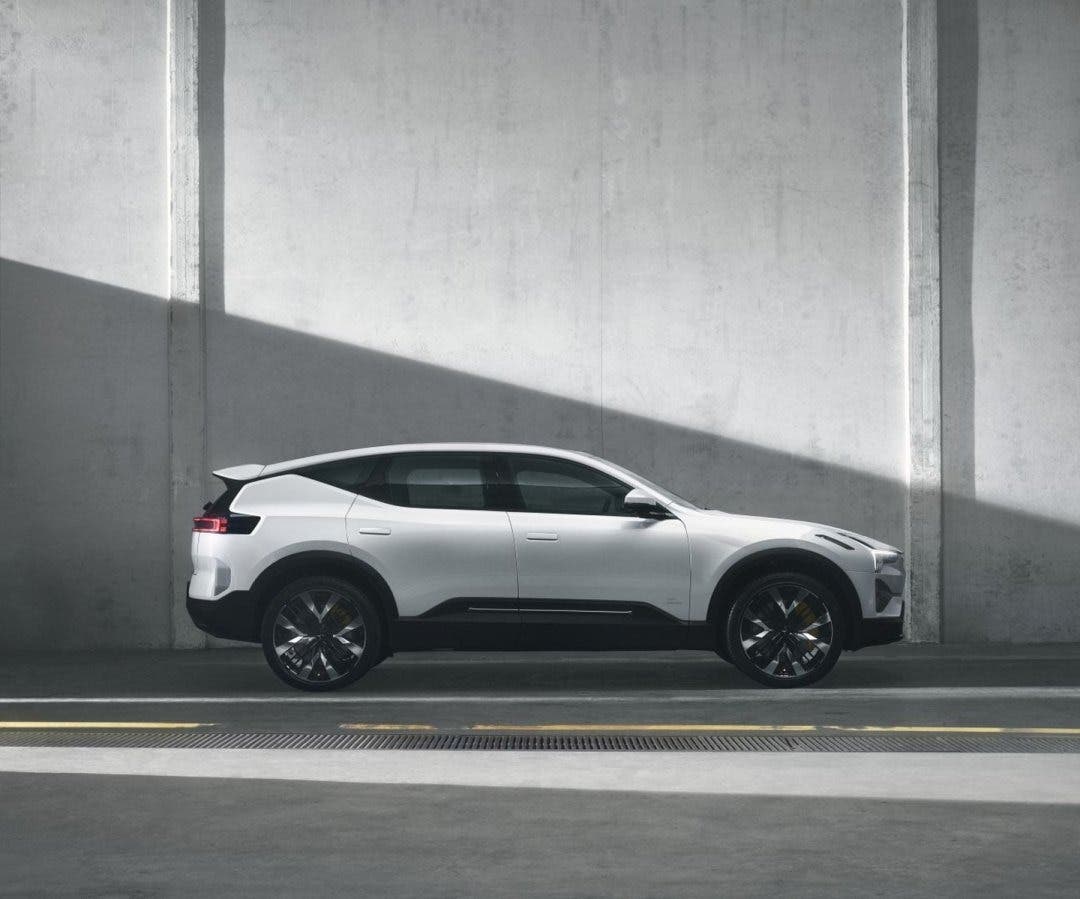
The situation creates a clear paradox for American customers. The Polestar 4, in particular, now reaches price levels close to, or even below, those of some mainstream electric cars thanks to current incentives. This turns it into a real opportunity for buyers looking for a premium electric SUV coupé at a reduced cost. The Polestar 3, a larger SUV with dual motors and a high-capacity battery, also benefits from significant reductions that place it well below its original list price. The offers cover purchase, financing, and leasing, making both models far more accessible than they were just a few months ago.
Long-term uncertainty, however, remains the main obstacle to purchase. Many potential customers now question the future availability of spare parts, software updates, and service if the brand can no longer introduce new models in the country. The comparison with Fisker adds to these doubts, even though the two situations differ substantially. Polestar has not entered insolvency and has said it wants to continue supporting American owners. In the United States, the service network relies largely on Volvo facilities, a factor that could reduce risks in the medium term, although its sustainability will inevitably depend on future volumes.
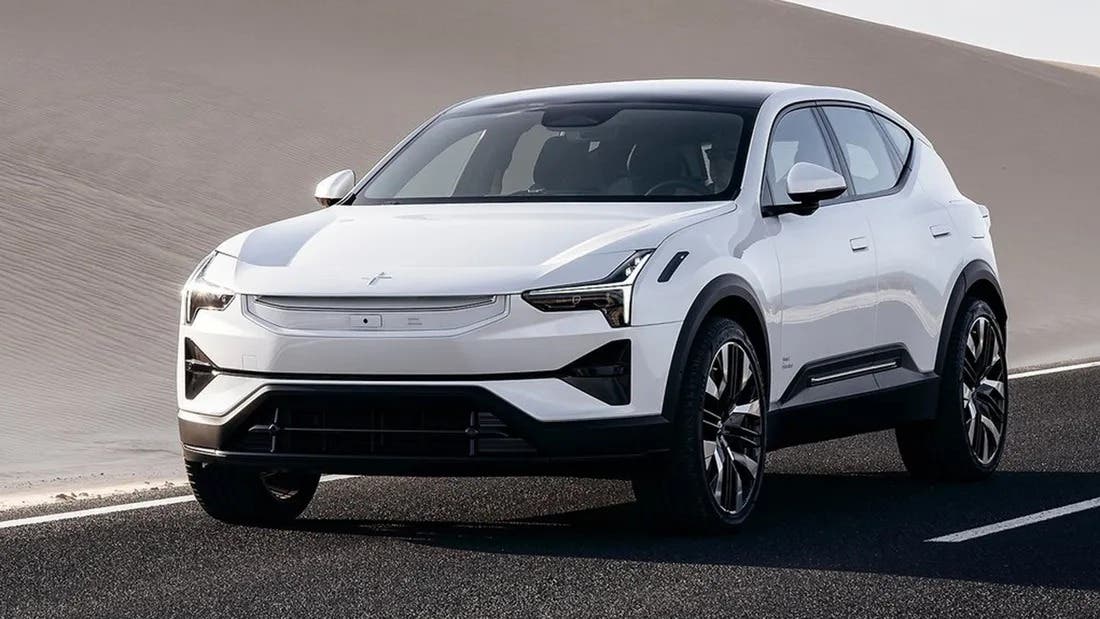
The ban looks even more unusual when compared with Volvo’s position. Volvo belongs to the same Geely orbit but has received clearance to continue selling connected vehicles. This difference has created confusion among dealers and customers, especially since the two brands share part of their industrial history and commercial platform.
Polestar’s strategic center of gravity had already shifted toward Europe, where the brand will launch its next models. As a result, the American phase now looks more like an orderly liquidation of existing inventory than a normal commercial campaign. Vehicles already sold or still in stock will continue to receive support and updates according to the planned roadmap. However, anyone buying a Polestar in the United States today accepts that the brand’s future in the country depends on decisions that go beyond commercial strategy and directly involve national security policy.