

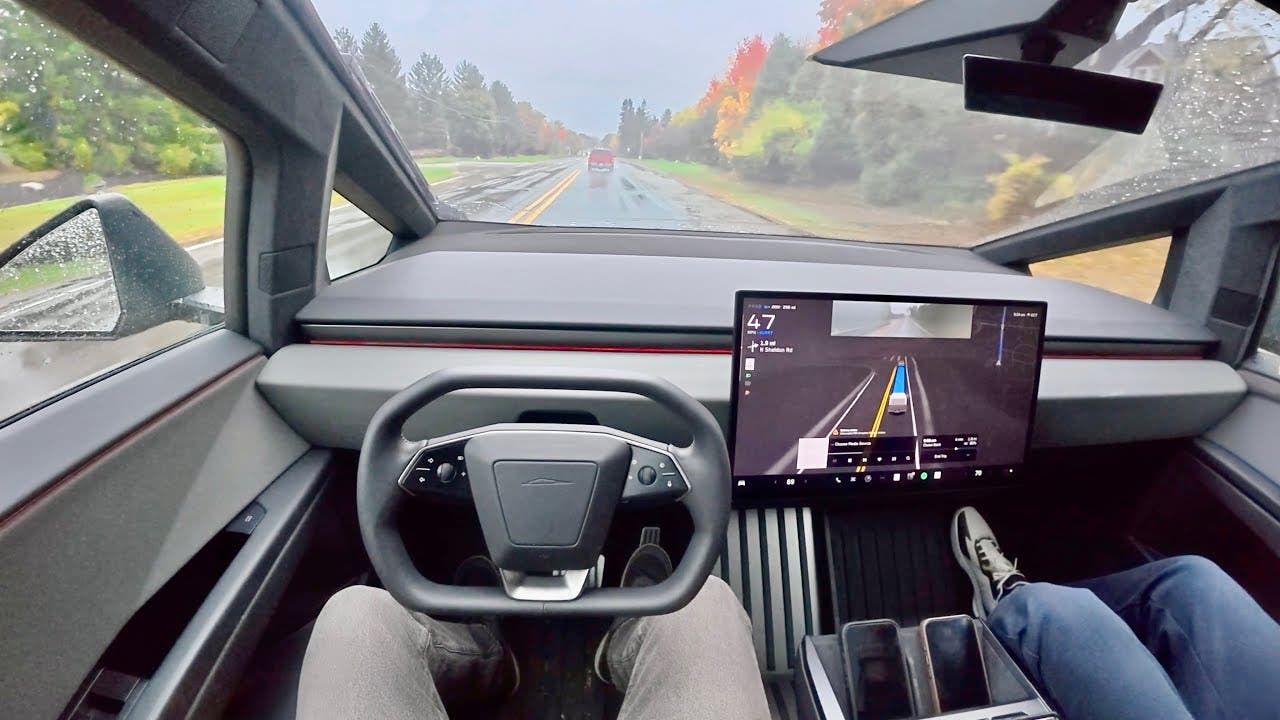
Tesla filed a patent on March 19, 2026 called Multi-Turn Steering Feedback Actuator, credited to engineers Stephen Alexander Harasym and Joel Timothy Van Rooyen, describing a steer-by-wire system designed to significantly expand the steering wheel’s rotation range compared with the standards currently common across the industry. This development could mark an important step forward for a technology that already appears on some production vehicles but still raises concerns, especially about how natural it feels during low-speed maneuvers.
Tesla patents a steer-by-wire system with a much wider steering range
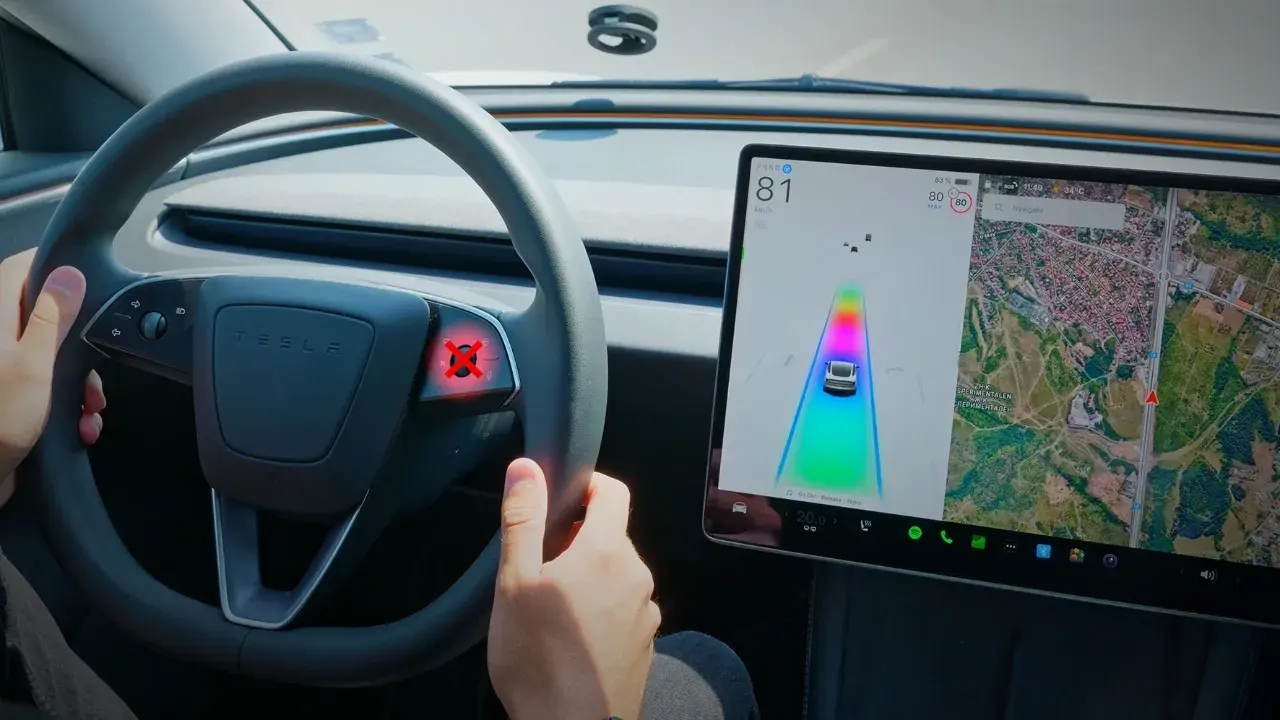
Steer-by-wire removes the direct mechanical connection between the steering wheel and the road wheels and replaces it with electronic signals and actuators that artificially recreate steering feel. One recurring issue with these systems concerns the steering wheel’s limited range of travel. In many current solutions, the wheel stops at around 170 to 180 degrees per side because of physical end stops, a characteristic that can make the steering feel less intuitive than a traditional setup, especially in situations that require wider rotation.
Tesla’s patent describes a two-stage mechanism that progressively extends the available range of motion through an internal structure made up of an input shaft, a pin, and a rotating stop ring. This architecture could allow up to 340 degrees of rotation per side, roughly double what many current steer-by-wire systems offer, while also giving Tesla the ability to set the range anywhere between 170 and 340 degrees depending on the model and the response it wants to deliver.
To improve steering feel, Tesla plans to use damping elements made from polymer material on the contact surfaces of the mechanism. These components would absorb impacts at full lock and create a more progressive resistance, giving the driver haptic feedback that feels less abrupt and closer to the response of a conventional steering system. The setup could also use gears or pulleys to fine-tune the feedback transmitted to the driver’s hands.
This development fits into the broader strategy Tesla has followed for years, linking the future of its vehicles to software, automation, and assisted driving. A mechanically decoupled steering wheel with software-configurable response gives engineers more design freedom and could prove especially useful in a vehicle architecture built around increasing levels of driving automation.
If Tesla brings this patent into production, the company could raise the state of the art for steer-by-wire in the automotive industry by addressing some of the weaknesses that have so far limited acceptance among many drivers who still prefer the direct and predictable response of traditional mechanical steering.