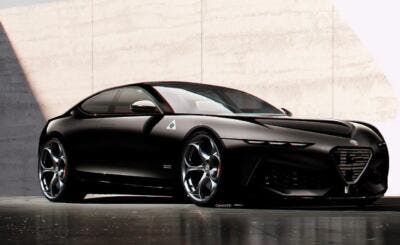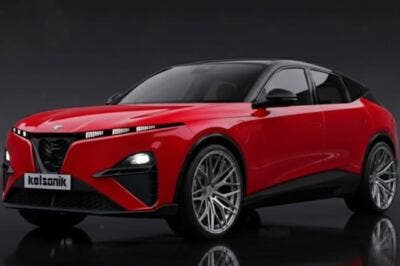
The new Alfa Romeo Stelvio is one of the most anticipated projects for the brand’s future, but for now its debut is still surrounded by a certain degree of uncertainty. The second generation of the D-segment SUV was originally planned for 2025, but the schedule changed after the postponement announced by CEO Santo Ficili, linked to the decision to keep internal-combustion and electrified powertrains in the lineup. Today, the most persistent rumors point to a launch between late 2027 and early 2028, but these are still unofficial timelines that require direct confirmation from Alfa Romeo.
Why the new Alfa Romeo Stelvio is taking longer to arrive
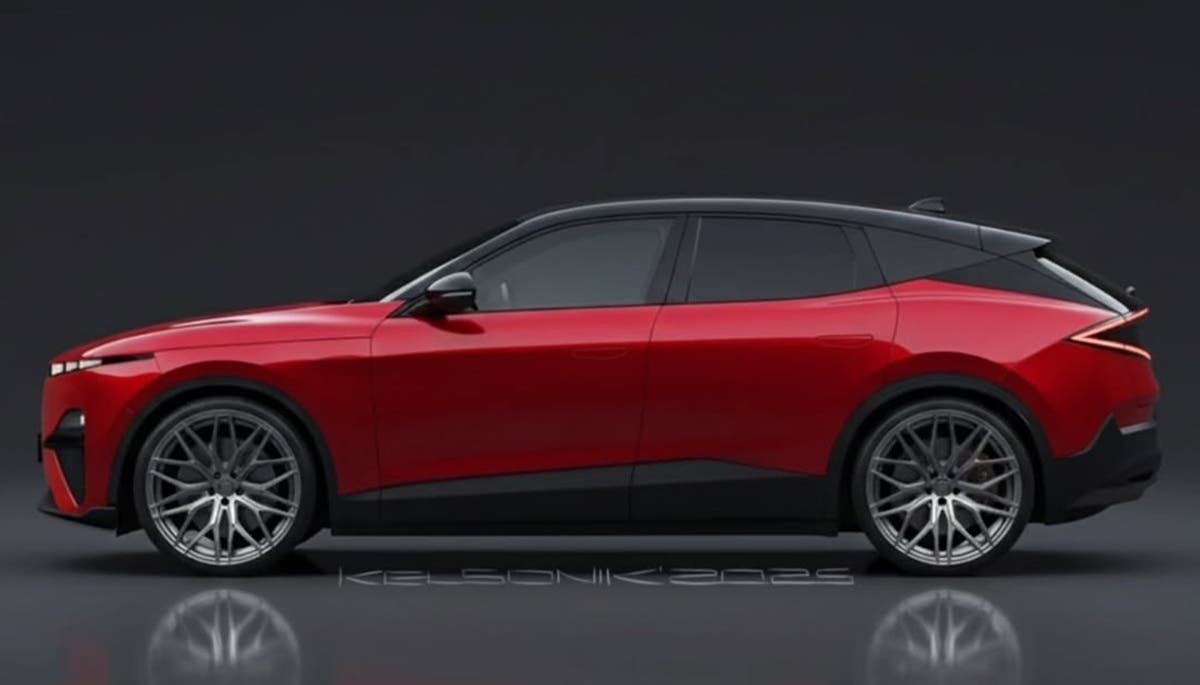
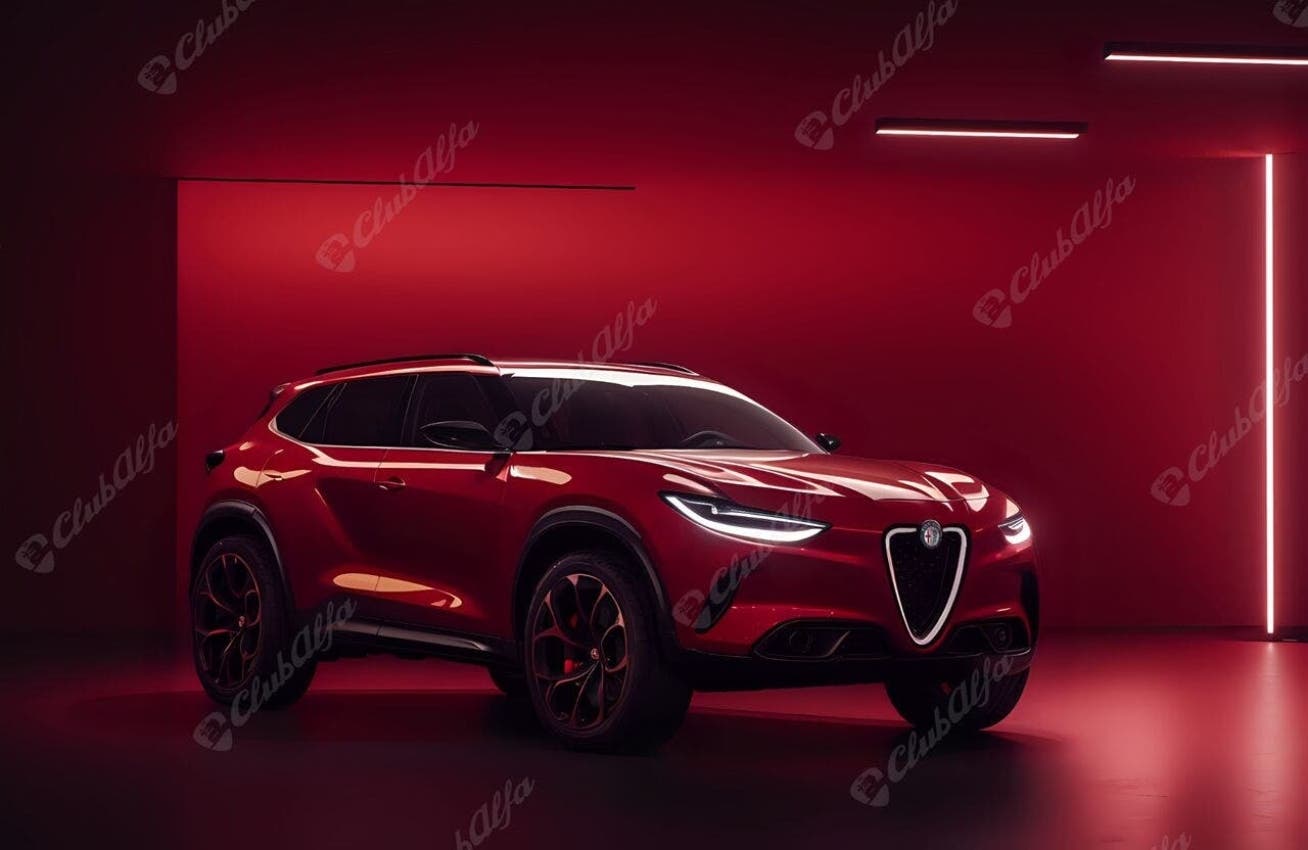
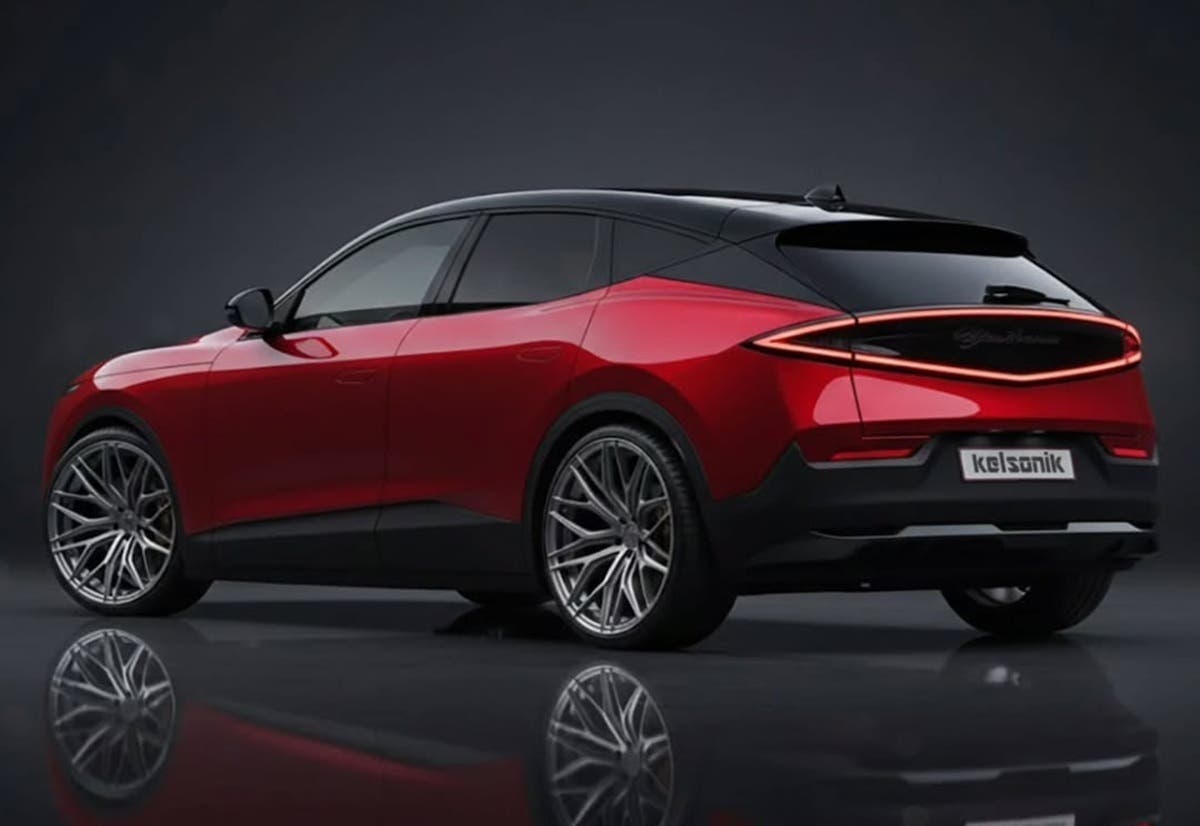
While waiting for official news, the web continues to be fertile ground for previews and design interpretations. In recent hours, for example, the digital designer Kelsonik shared a new render of the future Stelvio on Instagram, further refining a proposal already seen in the past. The base of this work once again appears to come from the patent images leaked last year, which offered a first glimpse of the second-generation SUV’s design. However, the final project could still differ in some details, as suggested by the latest rumors from sources close to the brand.
Is Stelvio 2026 strategic?
From a strategic point of view, the new Stelvio will play an even more central role than in the past. Alfa Romeo has in fact ruled out a return to the E segment, an option that had emerged during the management of Jean-Philippe Imparato. This means that the Stelvio is now set to become the brand’s future flagship SUV. Production is expected to take place at the Cassino plant, using the STLA Large platform.
Dimensions will grow significantly compared to the current generation, with overall length expected to reach and exceed 4.8 meters. This growth is also linked to the evolution of the next Tonale successor, which will be built in Melfi and is expected to approach 4.65 meters, reshaping the internal balance of the range.
As for powertrains, there are still very few certainties. It has already been confirmed that the lineup will not be fully electric, but will also include hybrid solutions, while pure internal-combustion engines seem to be excluded. On the electric side, a high-performance version close to 1,000 horsepower is rumored, alongside a range-extended EREV variant designed for long distances without giving up electric drive. Entry-level versions with lower output and range are also expected.
The discussion around hybrid combustion engines remains open. Among the most credible options are the possible use of Maserati’s Nettuno V6 or the new 2.0-liter Hurricane Turbo, recently introduced in the United States on some Jeep models. Alongside these solutions, Full Hybrid, Mild Hybrid and Plug-in Hybrid configurations are also being considered, pointing to a technically wide and diversified range.
Finally, when it comes to pricing, no official indications have emerged yet. However, a higher positioning than the current Stelvio seems likely, in line with the increase in size, electrification and overall technological content of the new model.