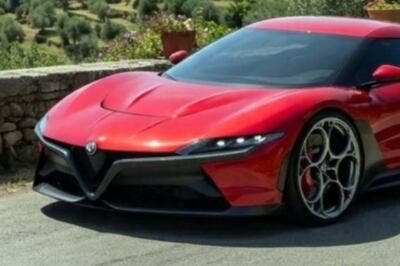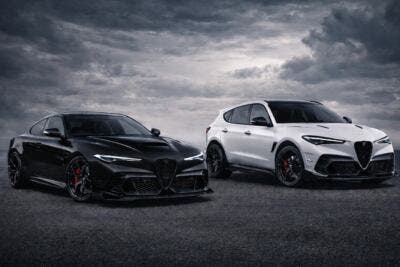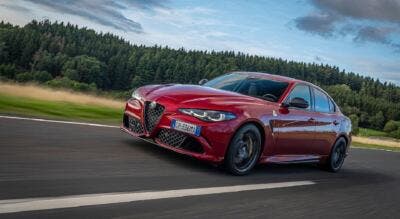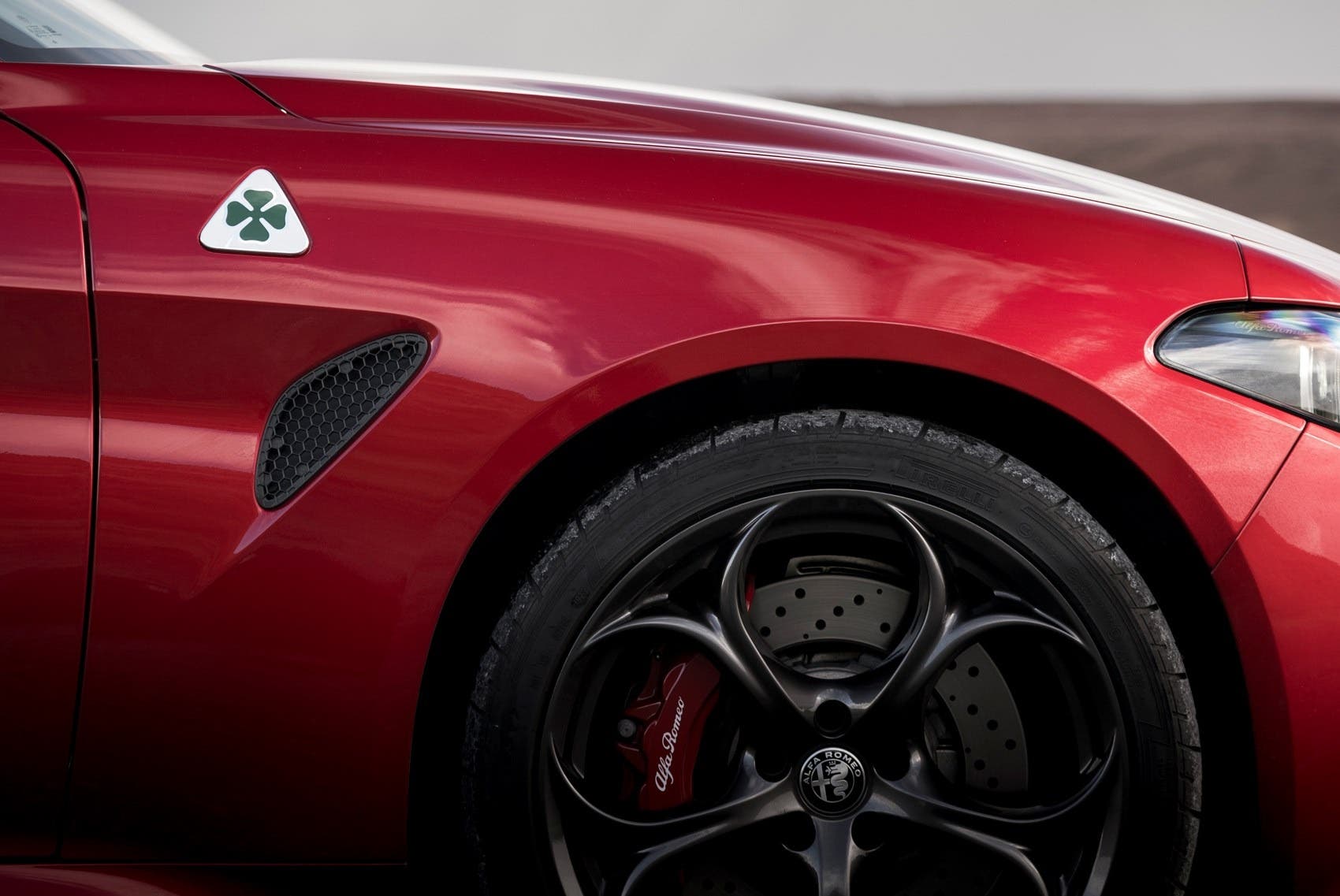
The future Alfa Romeo Giulia and Stelvio will keep their respective Quadrifoglio versions in the next generation, expected during 2028, but with a different strategic direction from the initial plans that pointed to an electric-only offering. The most recent statements from Alfa Romeo’s leadership, starting with CEO Santo Ficili, suggest that the new Quadrifoglio models could arrive with a dual proposal, combining a zero-emission variant with a combustion-powered version. This flexible approach would allow the brand to reach both customers ready for the electric transition and enthusiasts still attached to traditional mechanics.
Alfa Romeo weighs engine options for next Giulia and Stelvio Quadrifoglio
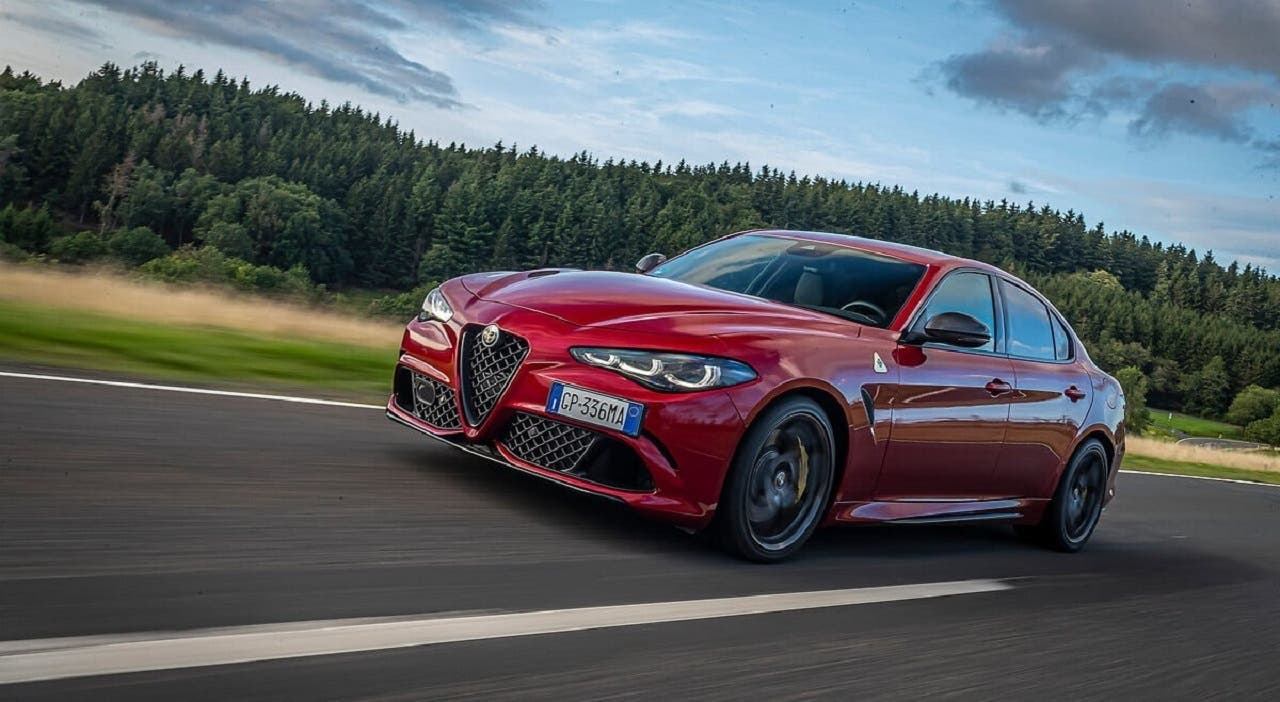
The most interesting element concerns the combustion engine and the different technical paths Alfa Romeo is reportedly evaluating. The most natural option remains an updated version of the current 2.9-liter twin-turbo V6, revised to comply with the latest emissions regulations. This would offer the strongest continuity with the current Quadrifoglio models, which drivers appreciate for their character, sound and dynamic personality. It would also preserve a direct link with a generation that played a decisive role in rebuilding Alfa Romeo’s sporting credibility.
However, rumors also continue to mention the possible adoption of Maserati’s Nettuno V6. This would represent a technically prestigious solution and could give the future Quadrifoglio models an engine with a very strong identity, although no official confirmation has arrived so far.
A third possibility also exists, and it may be the most pragmatic from an industrial point of view: the GME inline-six known as Hurricane. This 3.0-liter turbo engine, developed within FCA before the merger with PSA, already powers several Jeep models in the United States and reaches up to 510 hp and 575 lb-ft of torque. The technical advantages would be significant, as it is a modern engine already present within the Stellantis ecosystem and suitable for possible electrified solutions. It would also make industrial sense, since Alfa Romeo already uses engines from the GME family, although in four-cylinder configuration.
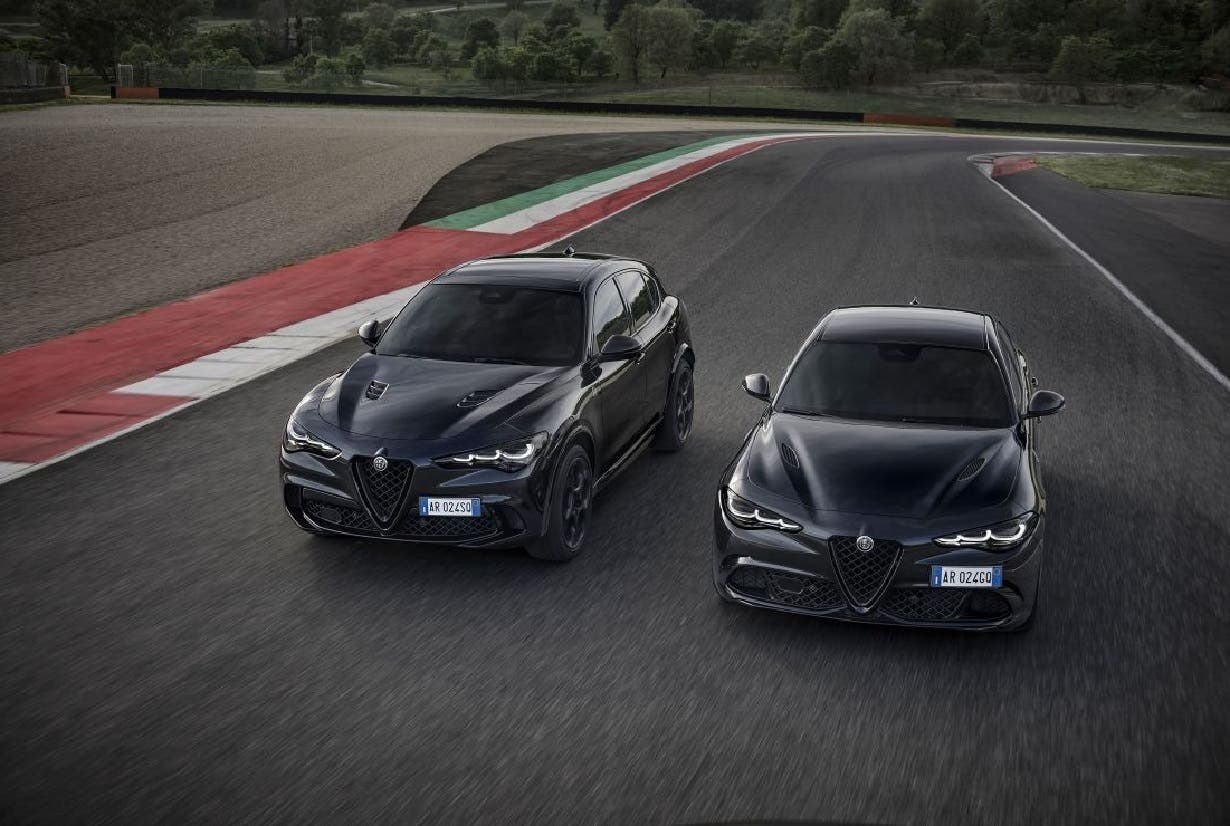
However, the obstacles are not minor. Stellantis currently builds the Hurricane in Mexico, and using it on European Alfa Romeo models would require specific logistics and production investments. The central issue, however, remains product identity. A Quadrifoglio cannot be judged only by power and efficiency, but by its ability to deliver a driving experience emotionally consistent with Alfa Romeo’s sporting tradition. The choice of combustion engine will therefore need to combine high performance with the distinctive character made of response, sound and involvement that has always defined Quadrifoglio versions, regardless of the technical solution Alfa Romeo eventually adopts.