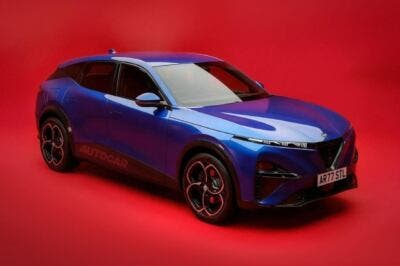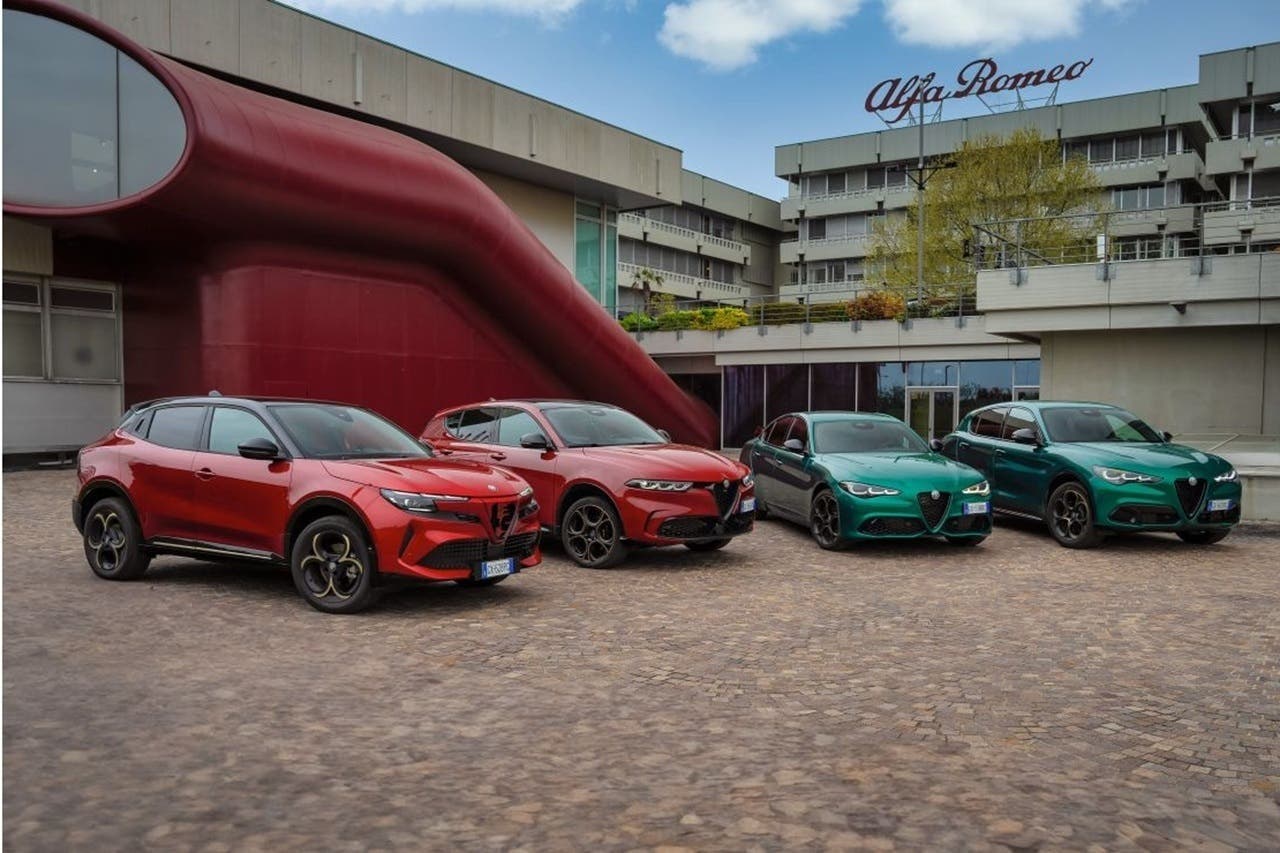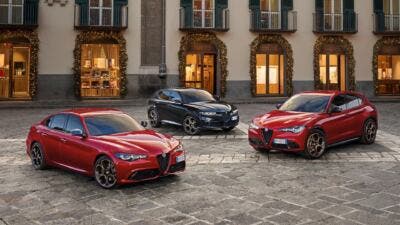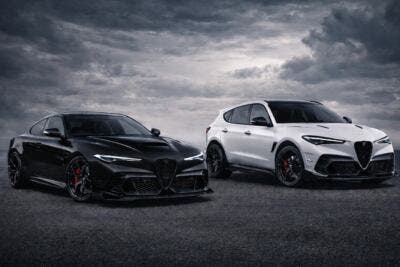
The two-year delay affecting the new Alfa Romeo Giulia and Stelvio would reportedly stem from the need to integrate a broader range of powertrains into the STLA Large platform than originally planned. According to Autocar, the brand has decided to review several aspects of the project to ensure effective coexistence between electric powertrains and internal combustion engines. The targeted changes mainly involve cooling management, air intakes and the front-end design, which on combustion versions should serve an aerodynamic and technical purpose, not just a stylistic one.
Alfa Romeo Giulia and Stelvio may get Dodge Charger power with 550 hp
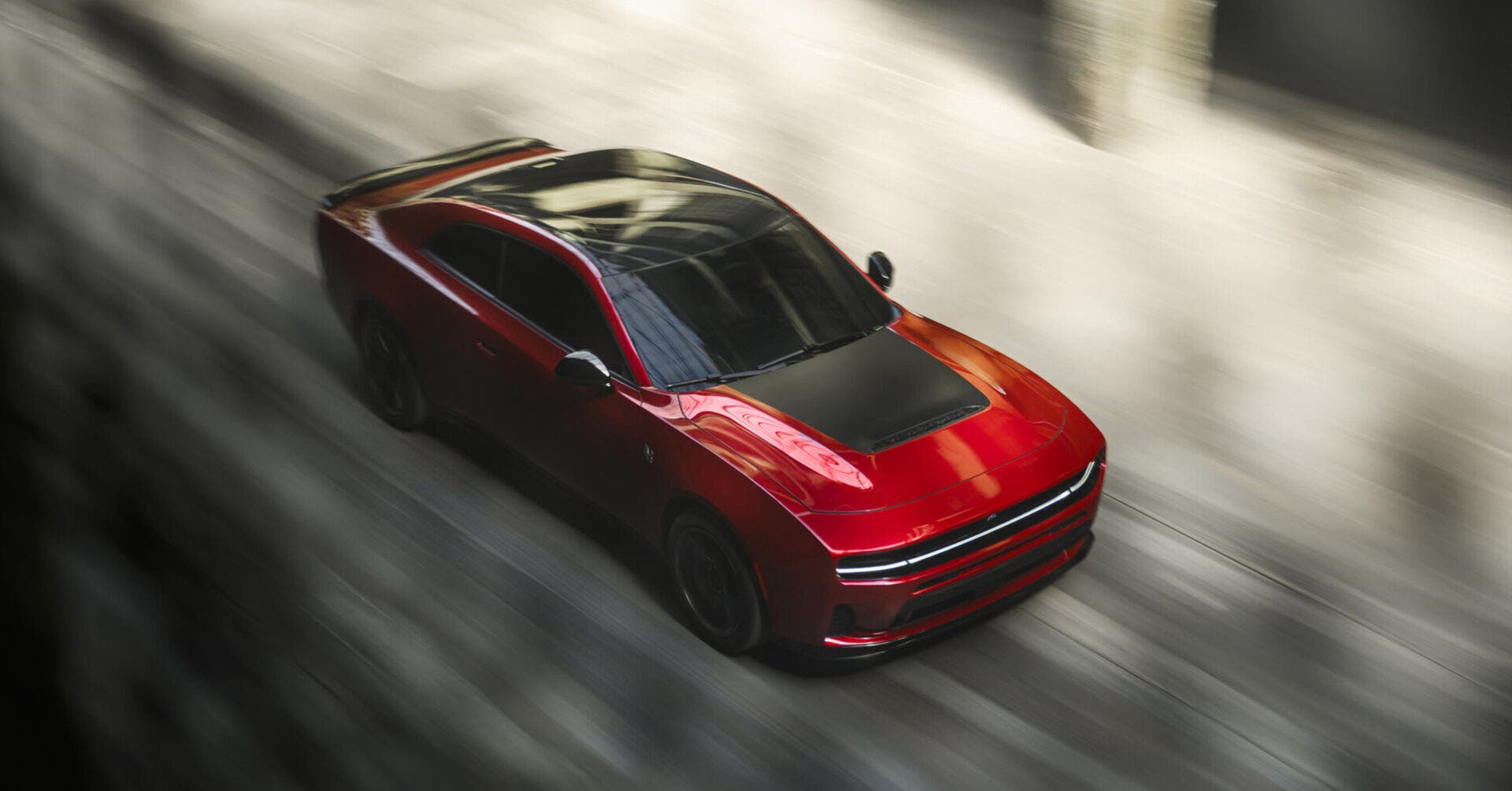
The base of the range could include turbocharged four-cylinder engines with mild-hybrid technology, a solution designed to reduce fuel consumption and emissions while maintaining sufficiently lively performance and compliance with European regulations. The possibility attracting the most attention, however, involves a 3.0-liter twin-turbo inline-six derived from the Dodge Charger Scat Pack, reportedly producing around 550 hp. That output would allow the new Giulia and Stelvio to maintain a sporting character consistent with Alfa Romeo tradition.
Alongside electrified combustion engines, plug-in hybrid versions should also arrive, covering the middle ground between electric driving in urban routes and the extended range provided by the combustion engine. Battery-electric variants will remain part of the strategy, with the STLA Large platform able to accommodate battery packs from 101 to 118 kWh and electric motors ranging from 168 to 443 hp. The previously rumored idea of an electric Quadrifoglio with more than 1,000 hp now appears less concrete, while Quadrifoglio versions could come in both electric and combustion configurations, depending on the target market.
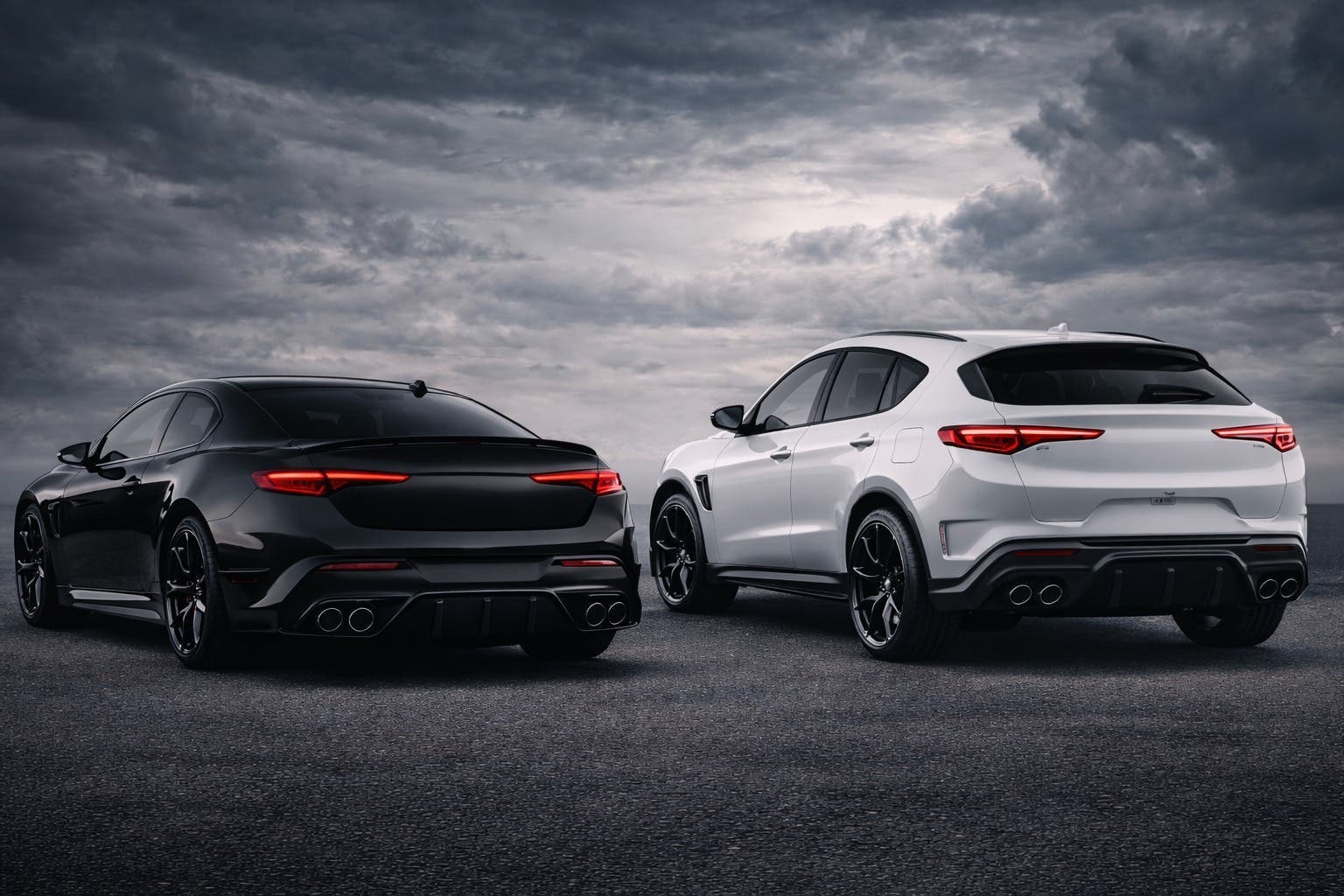
Alfa Romeo’s chosen direction focuses on a flexible lineup, able to adapt to different regulatory contexts and buying habits. As CEO Santo Ficili has noted, the brand operates globally, and not every geographic area stands at the same stage of the electric transition. For the new Giulia and Stelvio, the balance between efficiency, performance and sporting identity will largely define the brand’s ability to reposition itself in the premium segment over the coming years.