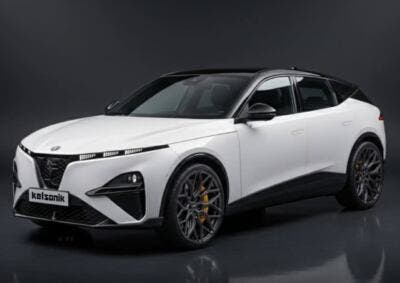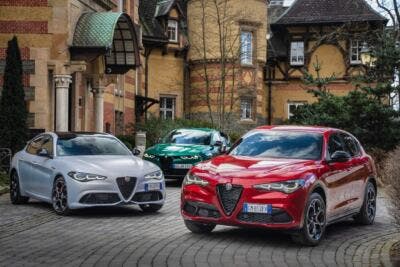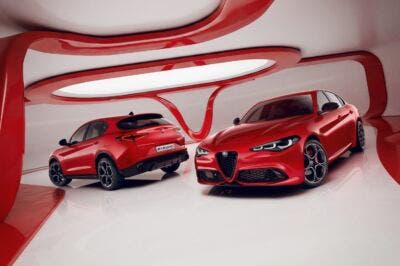
The new Alfa Romeo Giulia is expected in 2028, arriving two years later than originally planned as the brand takes more time to refine the project and align it with the especially high expectations that have always surrounded this name. Alfa Romeo wants the second-generation Giulia to become the reference point for the entire lineup due over the next few years. The company plans to separate it from the current model not only through design and engineering, but also through a more ambitious overall concept, while still preserving the direct connection between car and driver that the brand considers essential.
Alfa Romeo wants the new Giulia to stay true to its driver-focused identity
On that point, Alfa Romeo already seems to have a fairly clear direction. The next Giulia will offer more advanced onboard technology than the current generation, but Gilles Vidal, Stellantis’ head of design, has recently made clear that he wants to preserve physical controls, tactile feedback, and direct interaction between driver and machine. In other words, Alfa Romeo does not want digital features to take control of the driving experience.
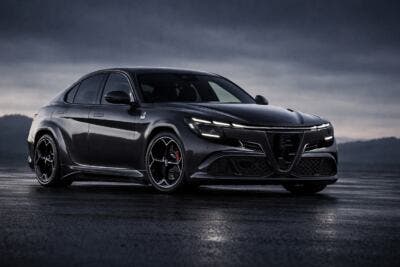
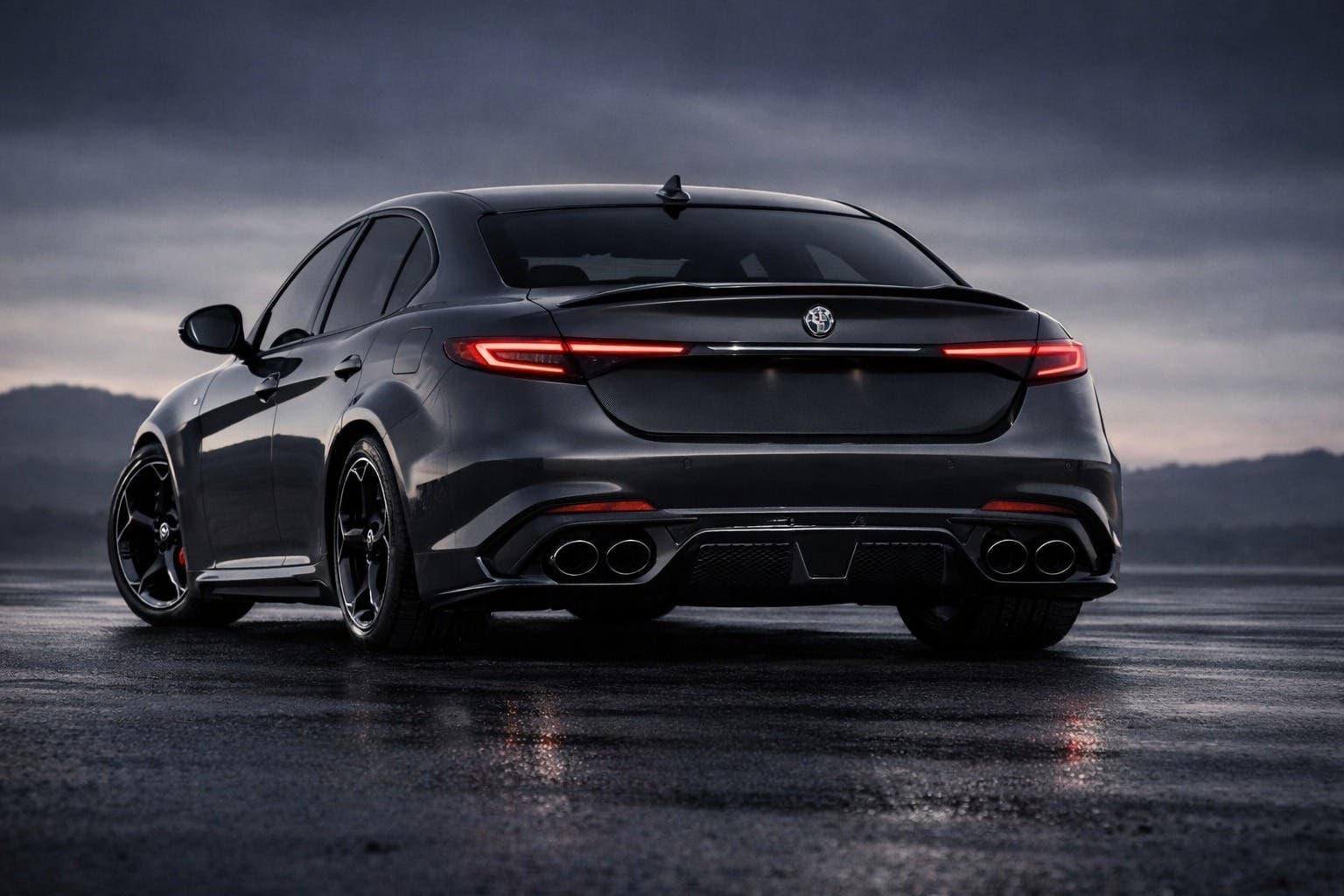
From a styling standpoint, the current three-box sedan should give way to a two-and-a-half-box fastback with a shorter rear section and a more overtly sporty overall shape. The design language will build on the themes introduced by the Junior and refined by the new 33 Stradale, which Alfa Romeo now sees as the aesthetic and philosophical reference point for its future products. The car should also grow slightly in size, while Alfa Romeo works carefully on aerodynamics to improve both performance and efficiency.
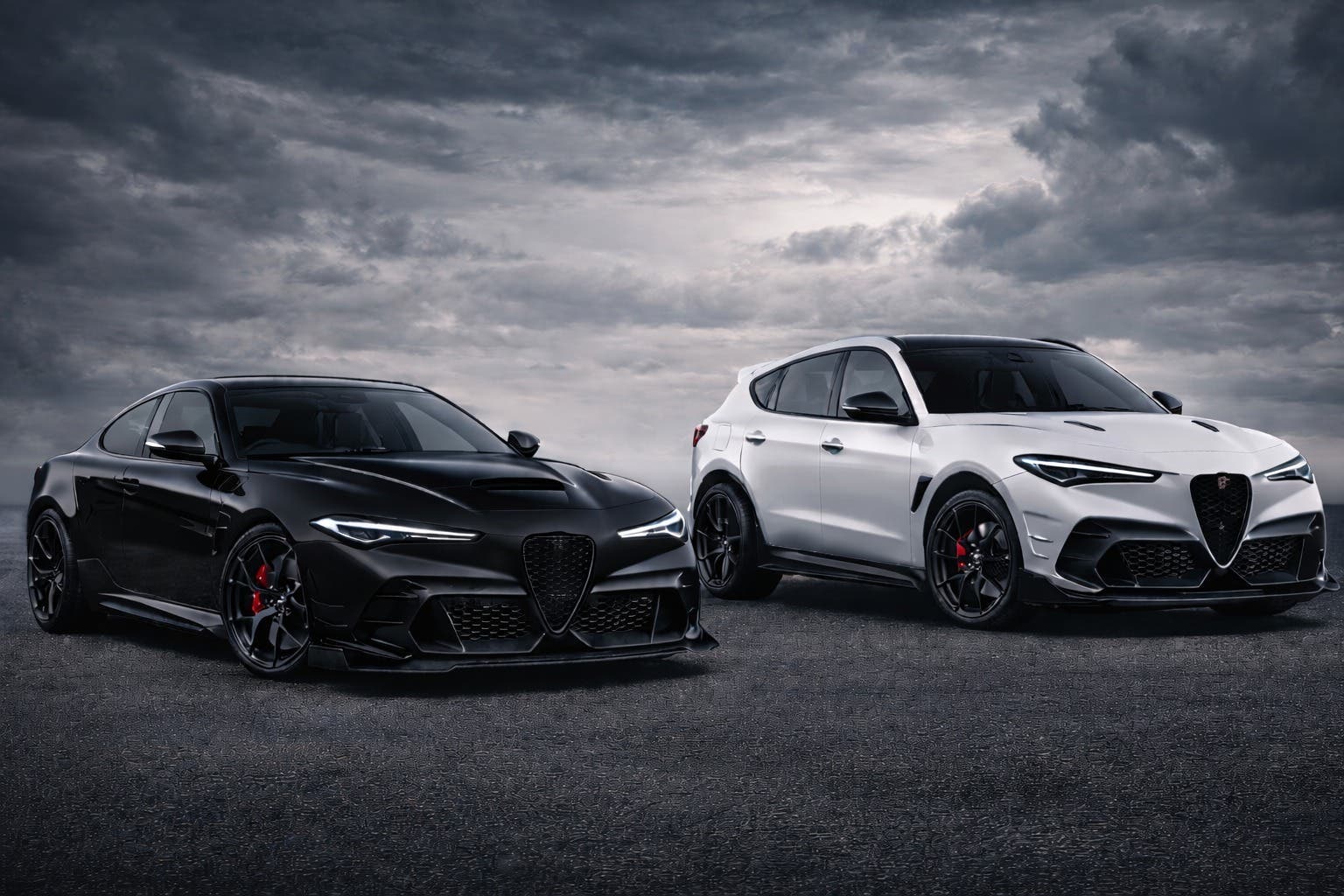
On the technical side, however, several key questions remain open. Alfa Romeo has not yet confirmed the final platform, and May 21 could become the date when Stellantis finally clarifies whether the car will use STLA Large or, as some reports continue to suggest, an evolved version of the Giorgio architecture. The same uncertainty still surrounds the engine lineup. Alfa Romeo has not yet defined which combustion engines it will use or in what form, while the presence of electric versions already seems almost certain.