

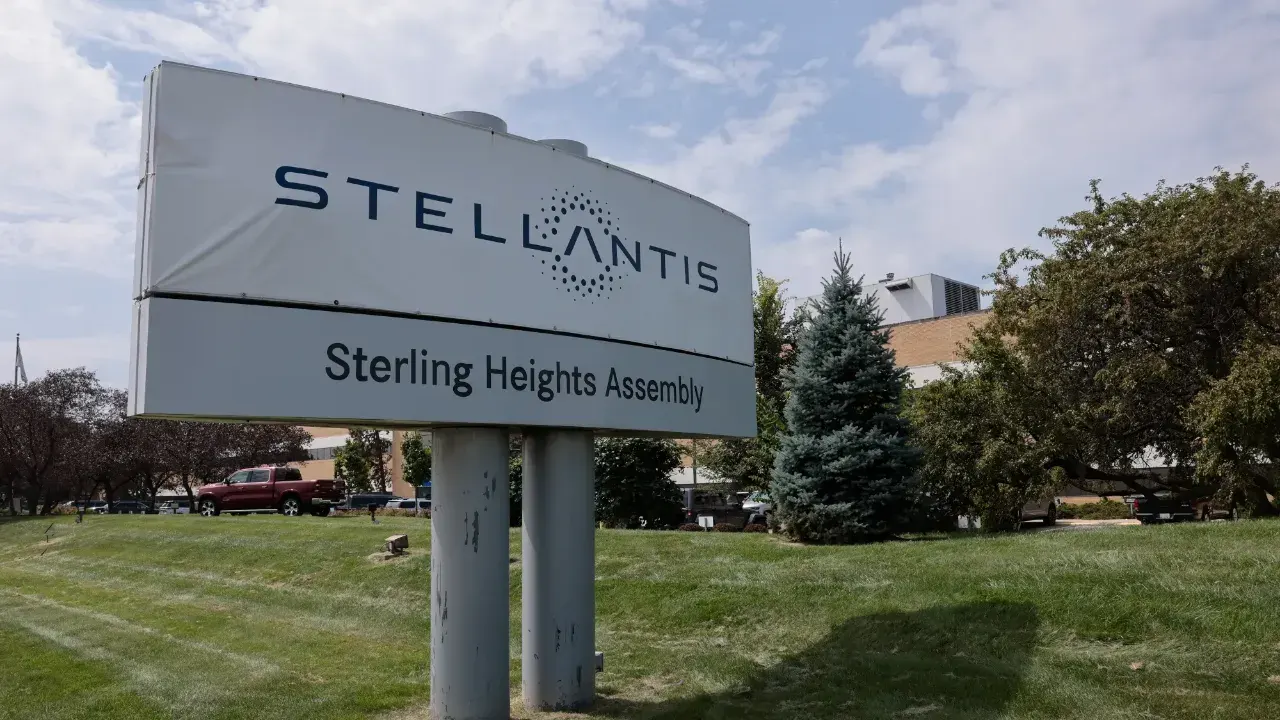
There’s a particular kind of corporate courage in announcing a historic hiring spree just a year after cutting nearly 50,000 jobs worldwide. But that’s exactly where Stellantis finds itself today, and frankly, it’s hard not to admire the audacity.
Under the leadership of CEO Antonio Filosa, Stellantis has unveiled a $13 billion investment plan in the United States, with the stated goal of boosting American vehicle production by 50% within four years. That’s a declaration of intent delivered with a sledgehammer.
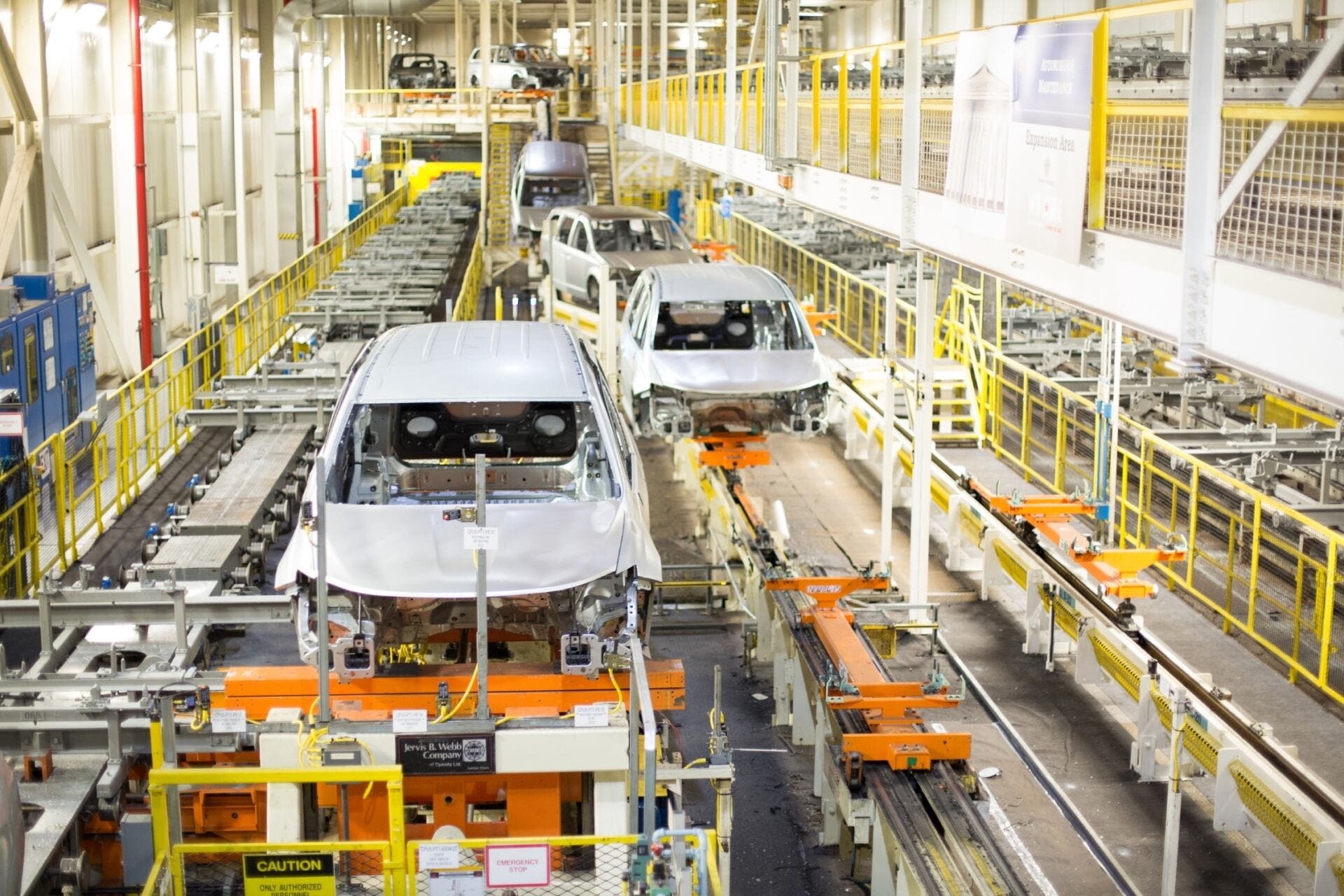
The numbers are hard to ignore. More than 10,000 new jobs are expected globally, with around 4,700 of those earmarked for North America in 2025 alone. The Windsor Assembly Plant in Canada has already activated a third shift, adding over 1,000 workers with projections to hit 1,500 by early 2026.
For a group that spent the better part of the last few years thinning its workforce to near-surgical levels, this is a remarkable reversal. The kind that makes you wonder whether the previous strategy was a plan or just panic dressed up in PowerPoint slides.
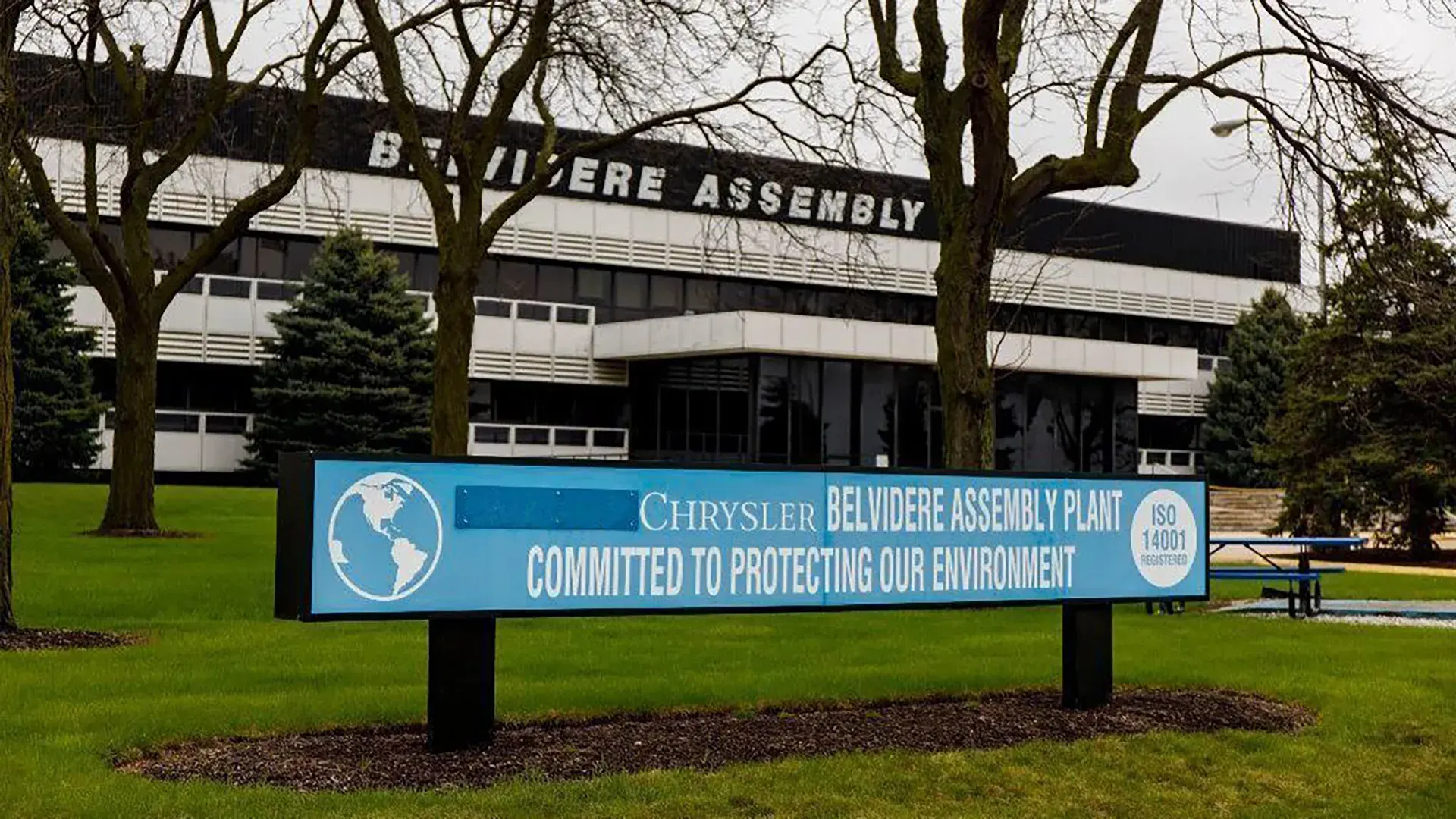
On the US side, the industrial roadmap reads like a Midwestern comeback tour. Belvidere, Illinois, shuttered and largely forgotten, will reopen to build two new Jeep models. Toledo, Ohio gets a midsize pickup. Warren, Michigan is slated for a hybrid SUV. And Detroit, perhaps fittingly, will be the birthplace of the new Dodge Durango. Five new models in total, backed by 19 product initiatives spanning conventional powertrains, hybrids, and range-extender vehicles.
That last point matters more than it might seem. Stellantis isn’t betting everything on full electrification, it’s hedging intelligently across multiple propulsion technologies, which, given how unpredictably the EV market has behaved lately, looks less like indecision and more like survival instinct.
The ambition is real. Whether the execution matches it is the only question worth asking, and the next four years will answer it with ruthless precision.