

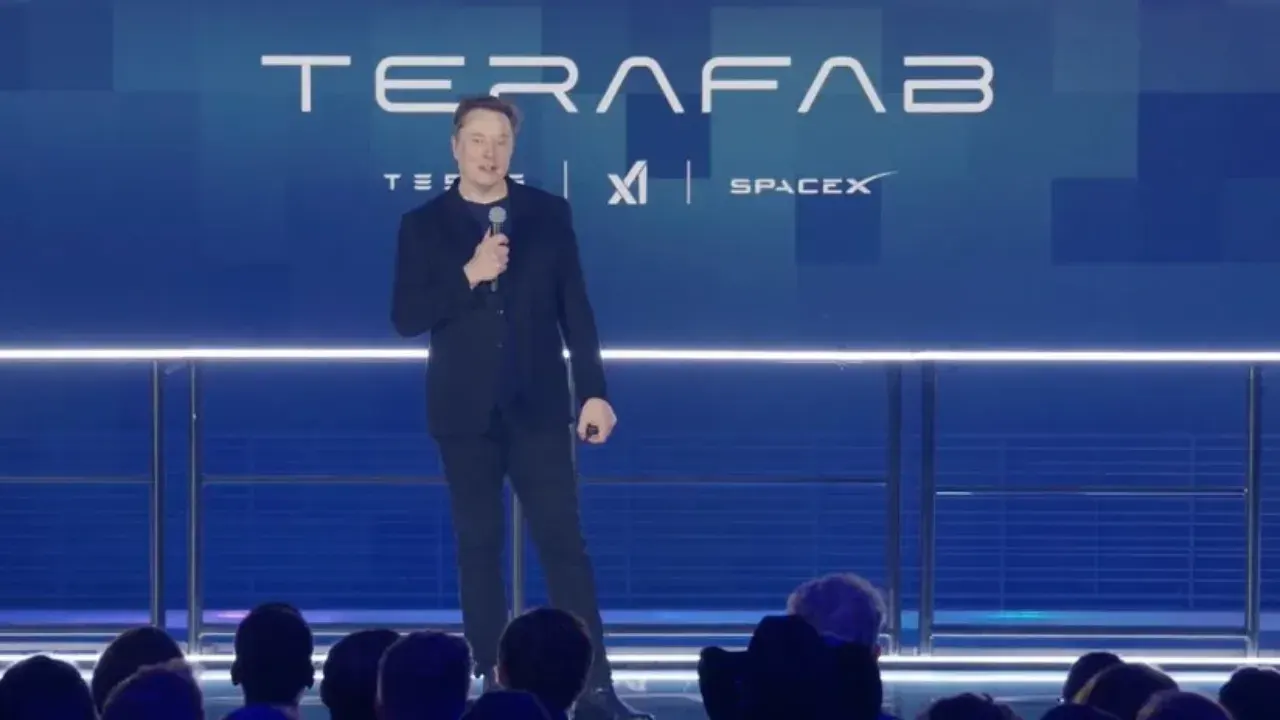
Elon Musk is at it again, selling us a trip to the moon while quietly asking for a ride to the bus stop. The Terafab project, presented this past March with the usual prophetic fire, is finally meeting the cold, hard floor of reality. Remember the grand promise? A vertically integrated fortress of semiconductors that would make Tesla and SpaceX entirely independent from the “unreliable” outside world of TSMC and Samsung.
Fast forward exactly one month, and the crusade for independence has already developed a limp. Bloomberg reports that Musk’s team has been frantically knocking on the doors of Applied Materials, Tokyo Electron, and Lam Research, demanding quotes for everything from photomasks to testers at “light speed”. In the world of high-stakes manufacturing, “light speed” is usually code for “we don’t have a finalized design yet, but we need the equipment yesterday”. Even more telling is the reported SOS sent to Samsung for support.
The mask slipped even further when Intel entered the frame. Far from being a sovereign Muskian empire, Terafab is essentially turning into an Intel-managed facility with Tesla and SpaceX as the primary tenants. Intel will design, fabricate, and package the chips. Musk isn’t building the car, he’s just renting the garage and asking the landlord to do the heavy lifting.
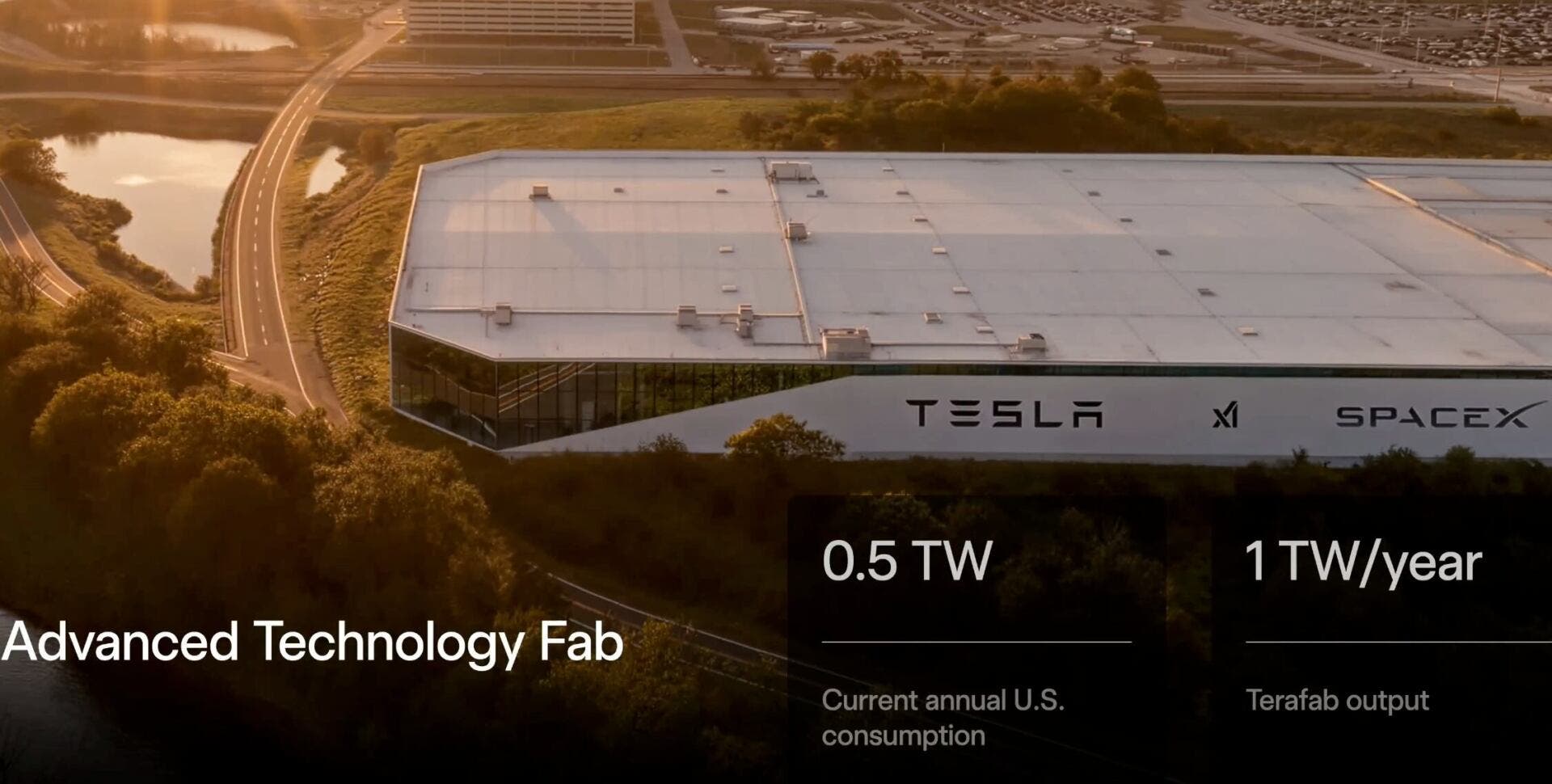
Then there’s the timeline. During the March presentation, Musk avoided pesky things like “years” and “dates”, focusing instead on hallucinatory goals. A terawatt of compute capacity, double the entire current output of the United States, and a million wafers a month. It was a beautiful, unrealistic dream.
Now, the 2029 start date has emerged. Five years from now. In the tech world, that’s an eternity; in “Elon Time”, it’s practically another dimension. While the 18A process from Intel is undeniably a masterclass in engineering, and the AI5 chip prototypes might crawl out of the lab by 2026, the gap between Musk’s PowerPoint and the factory floor remains wider than the Grand Canyon.