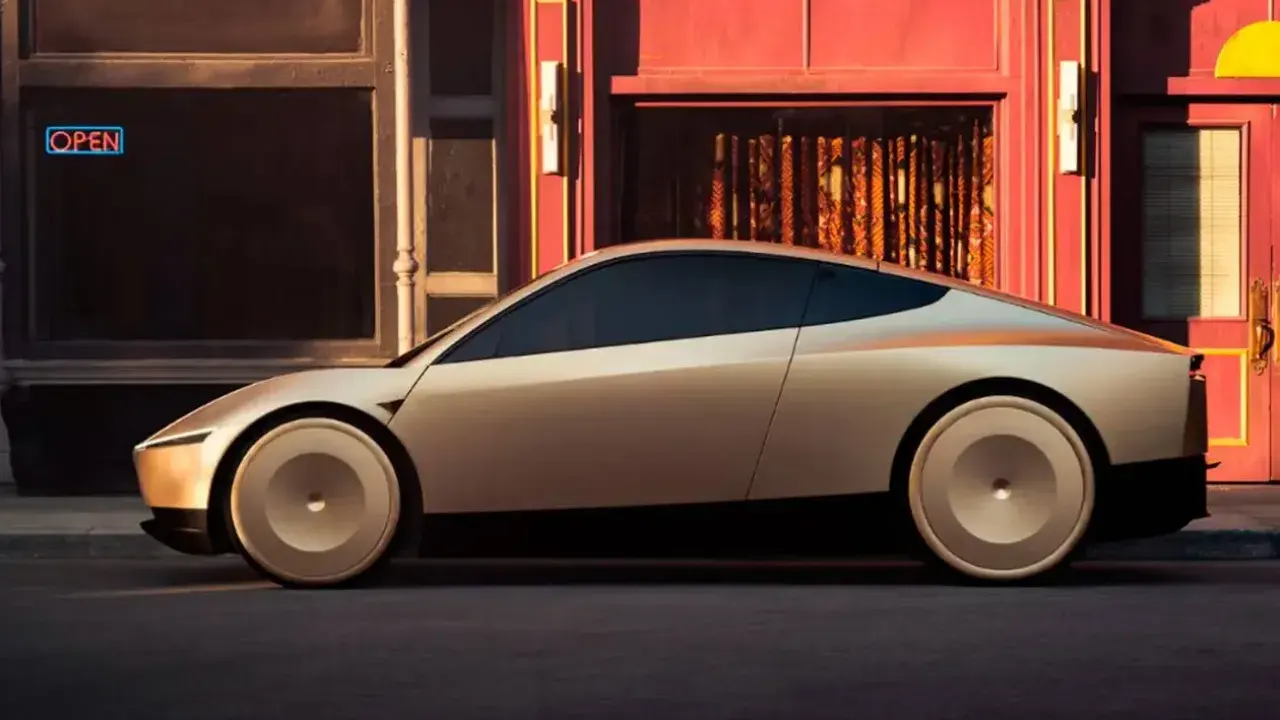
The countdown is officially on at Giga Texas, and it’s a bold one even by Tesla standards. Elon Musk has drawn a line in the sand, announcing that the Cybercab is slated to begin rolling off the assembly line in less than 100 days. This isn’t just another car launch, it’s the cornerstone of the highly anticipated Robotaxi ride-hailing service.
There’s a catch that might make safety regulators break out in a cold sweat. The vehicle is designed without a steering wheel or pedals. Musk has been adamant about this “screen-and-two-seats-only” configuration, despite some internal whispers that pedals might have been a safer bet.
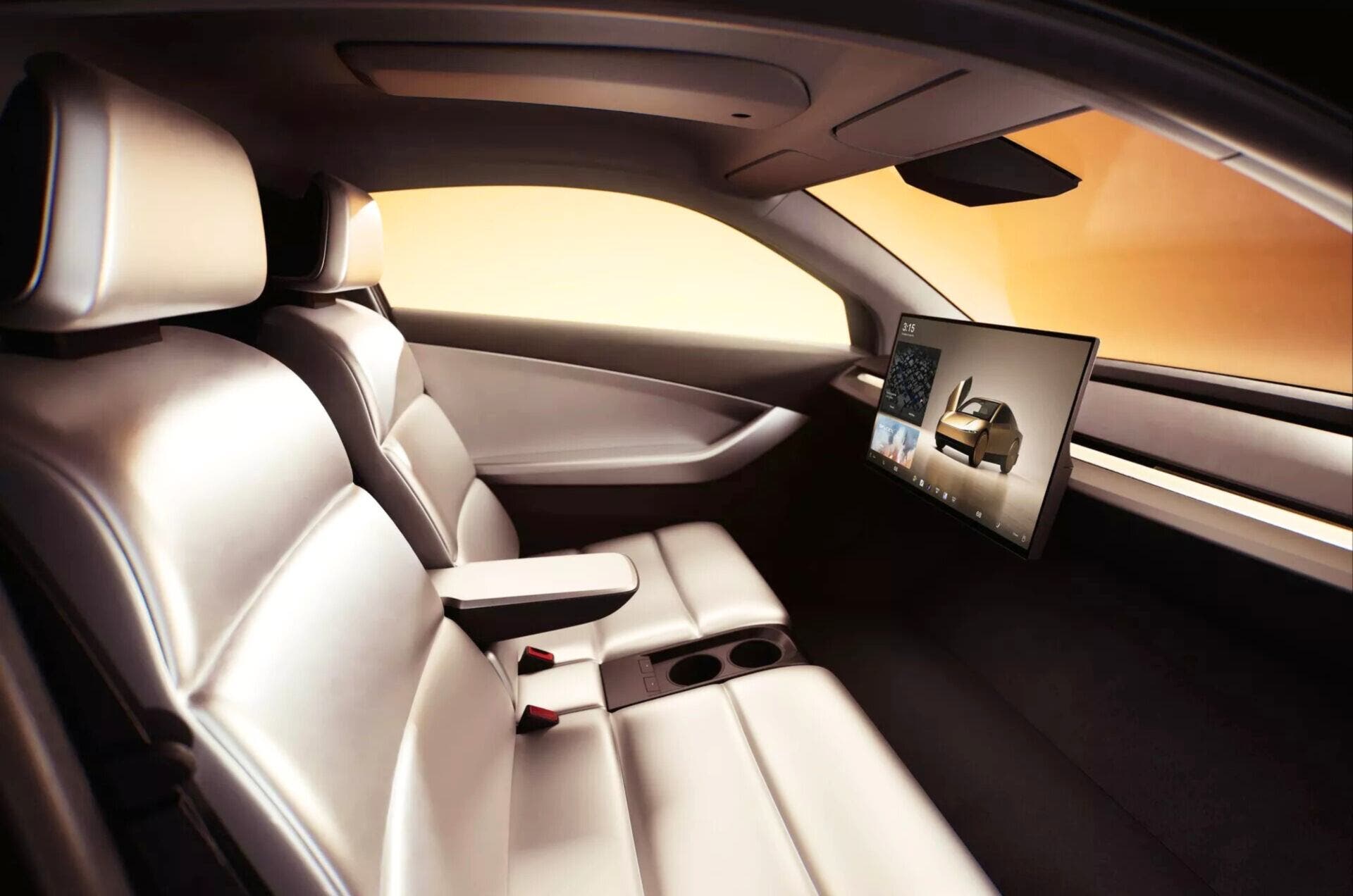
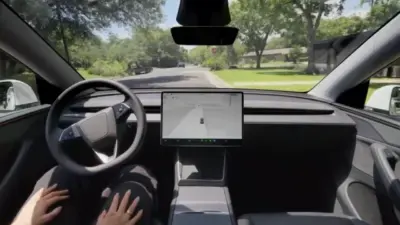
Because the Cybercab lacks manual controls, Tesla has exactly the same 100-day window to perfect its unsupervised autonomous driving suite. If the software isn’t ready, the car is essentially a very expensive, stationary lounge. Musk, a veteran of what he calls “production hell”, is managing expectations with a mix of warning and hype. He explained that since nearly every component for the Cybercab and the Optimus robot is brand new, the initial production pace will be “painfully slow” as it follows a typical S-curve.
Despite the slow start, the long-term goal is staggering. Back in October 2024, Musk set a target of producing at least 2 million units per year, with the potential to reach 4 million eventually across multiple factories. While the Cybertruck and Model 3 nearly broke the company during their ramp-ups, Tesla believes the Cybercab represents a simpler manufacturing process.
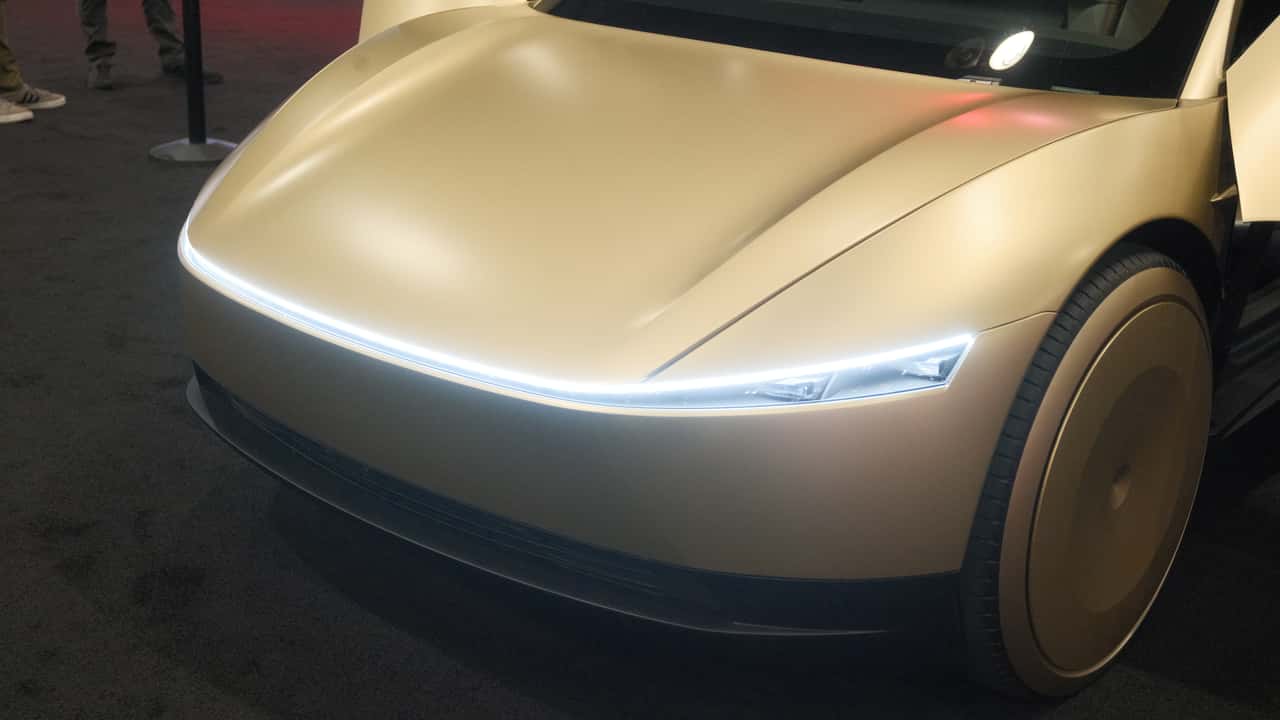
As we approach the April milestone, the industry is watching to see if Tesla can pivot from being an automaker to a true autonomous driving service provider. Whether the Giga Texas lines produce a revolution or just a “painfully slow” trickle of futuristic pods remains to be seen. With no steering wheel to grab, we are all just along for the ride.