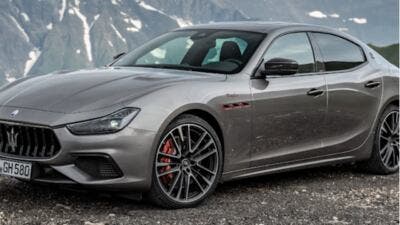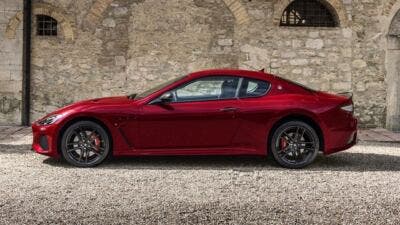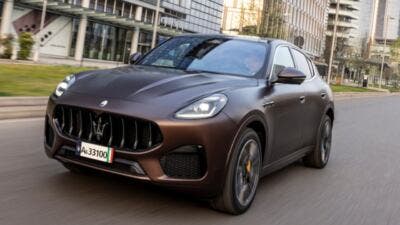
Maserati is outlining a new product phase that will bring the brand back into segments currently missing from its line-up, while also developing exclusive projects designed to strengthen the Trident’s image in sporting luxury. During the presentation of the updated range, Maserati executives confirmed their intention to return to the saloon segment with an “absolutely yes” when asked about the future of this body style, which disappeared from the range after the Ghibli and Quattroporte left the scene.
Maserati prepares return of a saloon and an exclusive manual supercar
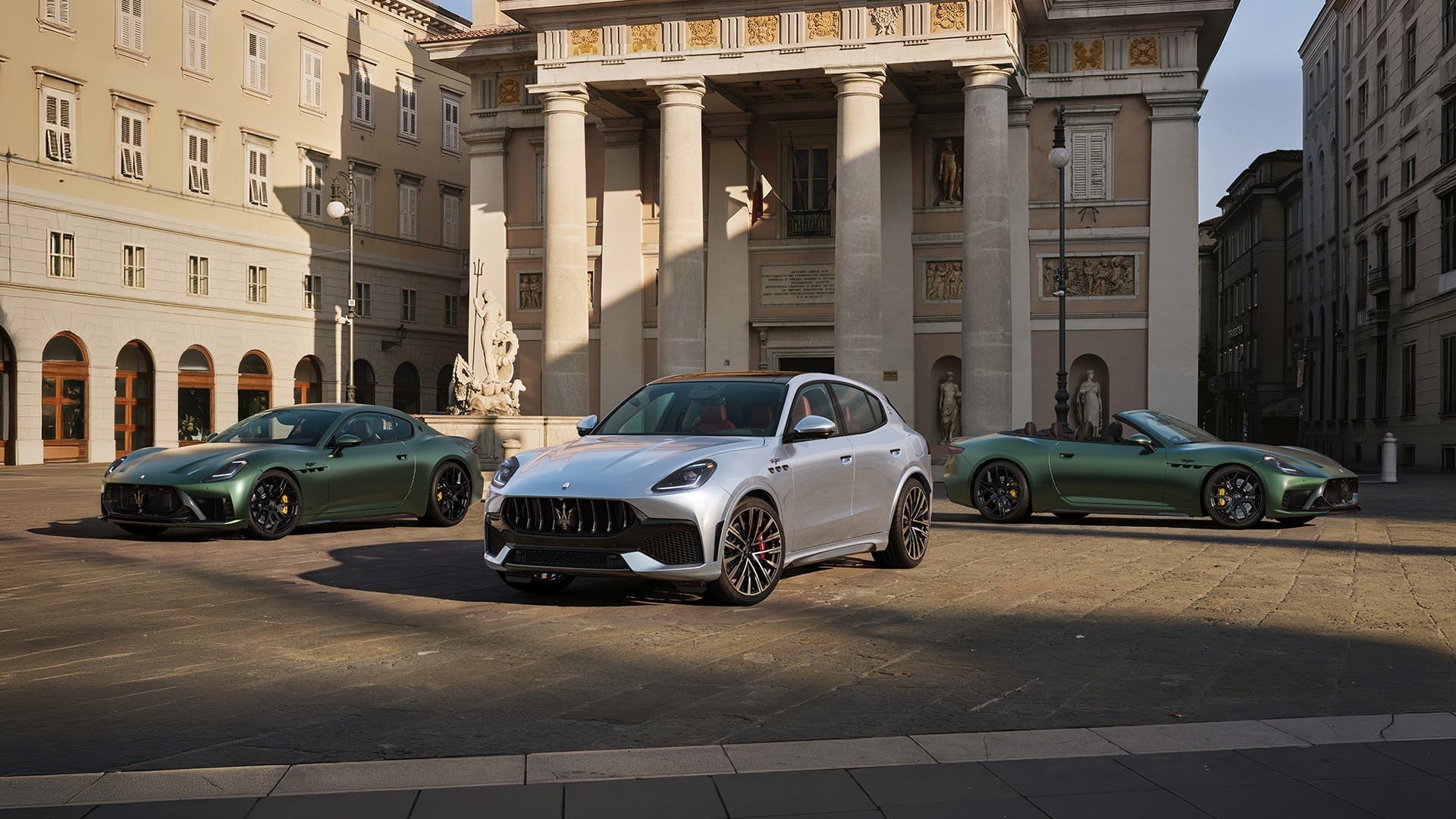
The exact shape of the successor to those models still remains unclear. Santo Ficili suggested that a modern interpretation of a saloon can take different forms, opening the door to a model that may not follow traditional proportions. It could become more aggressive and performance-focused, perhaps sitting somewhere between a saloon and a crossover. For many customers, Maserati still means a large, elegant and Italian sports car, so a return to that territory represents a long-awaited step.
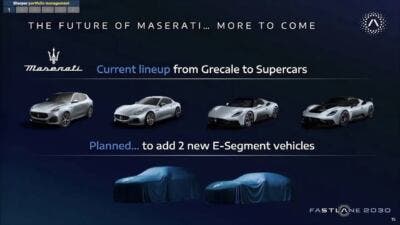
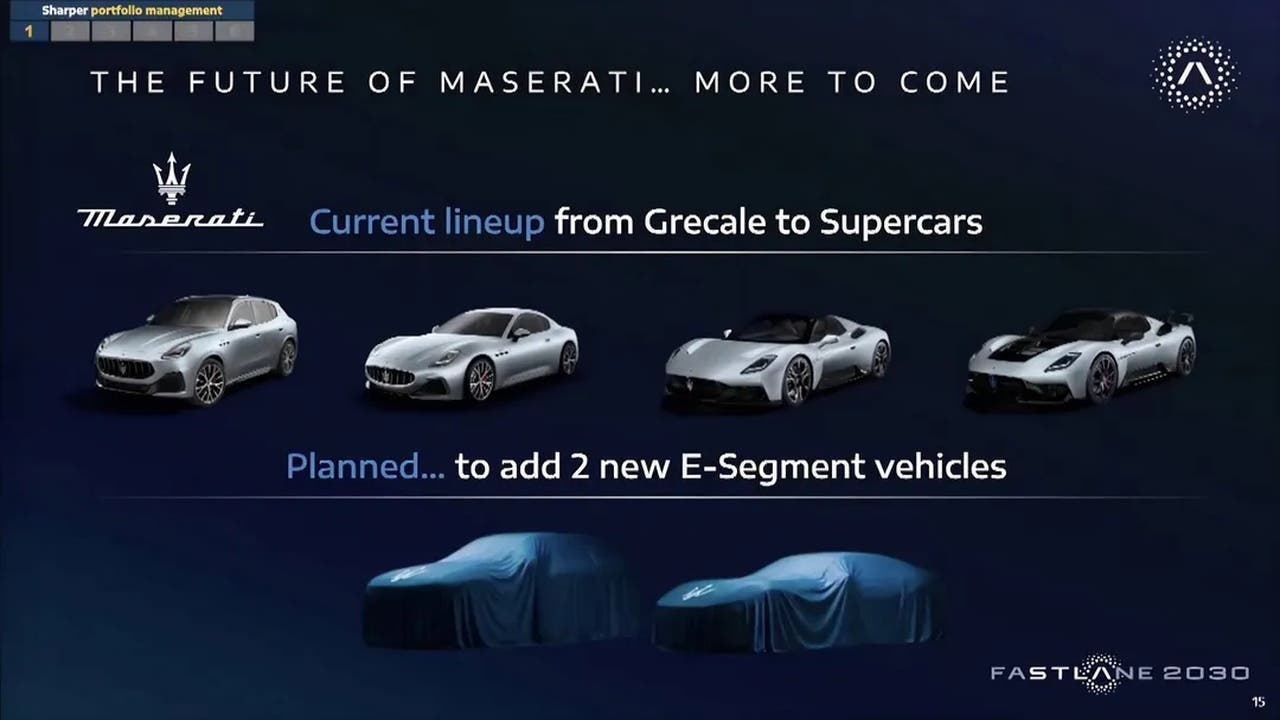
The product plan includes two new E-segment models by 2030. One should carry forward the legacy of the Quattroporte, while the other should replace the Levante, completing the renewal of the brand’s upper range. Maserati could reveal more details on its future strategy in December, when the Trident should clarify timing and technical features for its next projects during a presentation in Modena, the brand’s headquarters.
Alongside these models, Maserati is also working on something very different. The Bottega Fuoriserie division is reportedly developing a limited-edition supercar with a manual gearbox, aimed at collectors and purists looking for a mechanical connection that has become increasingly rare in the high-performance segment. The project could use the V6 Nettuno engine, already one of the technical symbols of modern Maserati, with a deliberately analogue setup and no heavy electrification. The idea would be to celebrate Modena and the Motor Valley through a more emotional and exclusive product.
Maserati’s future strategy therefore moves on two parallel levels. On one side, the brand wants to return to representative models such as a saloon and a large SUV. On the other, it wants to create special products capable of increasing exclusivity and desirability. Timing and technical details still need confirmation, but December could offer the first real indication of how much of this vision will turn into a clearly defined industrial plan.