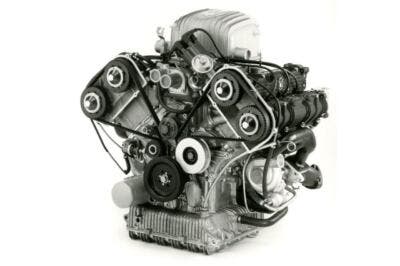
In the 1980s, Maserati attempted to develop a truly unconventional V6 engine. The ambitious and almost visionary project aimed to increase the number of valves per cylinder from three to six in order to improve airflow, efficiency and overall performance.
Maserati once developed a 36-valve twin-turbo V6
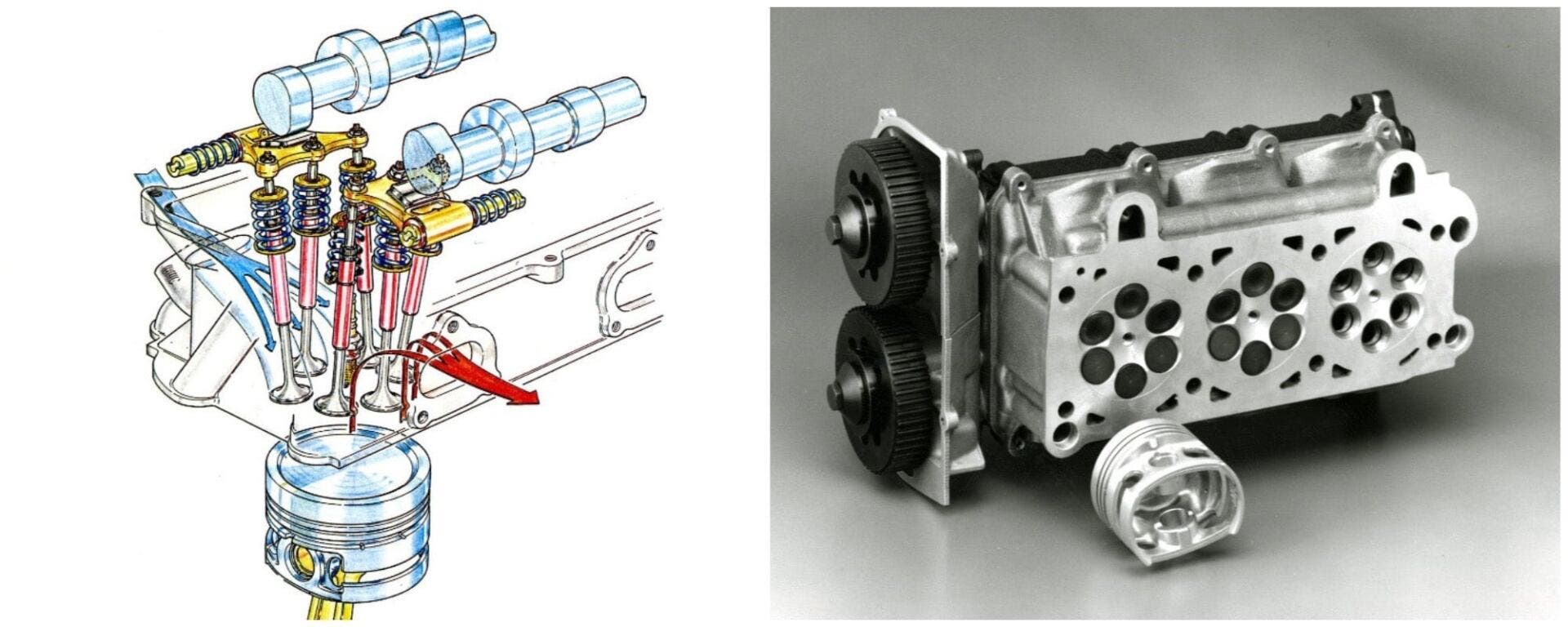
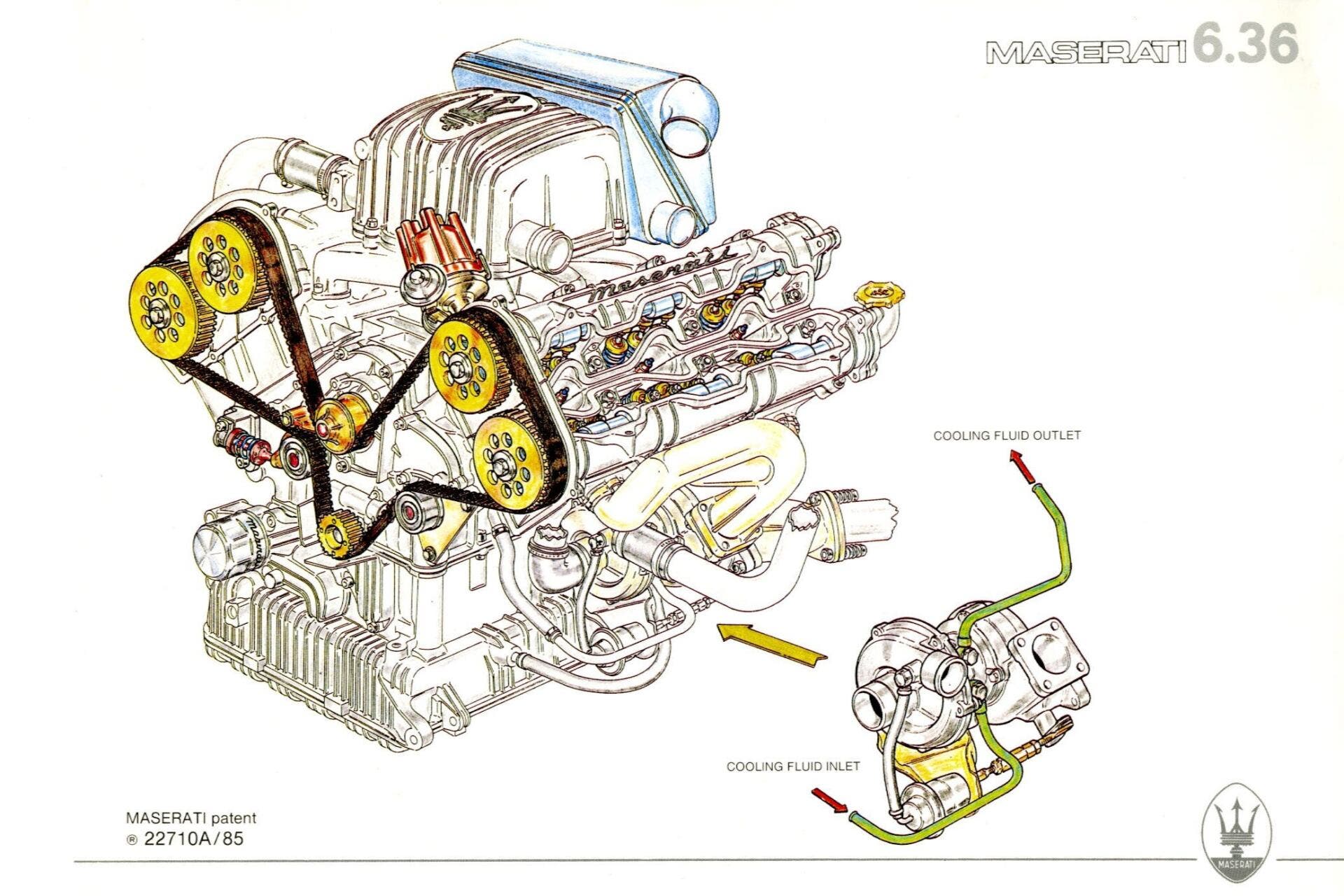
The engine, known as the Maserati 6.36, was a twin-turbo 2.0-liter V6 featuring a remarkable total of 36 valves. While such figures may sound merely curious today, they represented cutting-edge engineering at the time. According to Maserati’s estimates, the prototype could deliver around 257 horsepower at 7,200 rpm, a significant leap compared with the 180 hp produced by the early three-valve-per-cylinder twin-turbo engines.
The real innovation, however, lay in the technical solution created to manage such a complex valvetrain. Maserati engineers developed a patented camshaft and rocker system capable of operating multiple valves while limiting the number of components, preventing excessive weight increases and mechanical complexity. On paper, the concept appeared highly effective, promising improved combustion efficiency and gas flow more than 30 percent higher than conventional four-valve engines.
Despite its potential, the project never reached production. Maserati abandoned the engine after an advanced development phase, likely recognizing that the real-world advantages failed to justify the added costs, complexity and technical risks.
During the same period, other manufacturers explored similar paths. Yamaha, for example, experimented with six- and even seven-valve-per-cylinder configurations while developing high-performance motorcycle engines. Testing consistently led to the same conclusion: beyond five valves per cylinder, performance gains quickly diminished. Detonation issues, difficult thermal management and rising development costs made such solutions impractical.
For this reason, the five-valve configuration ultimately emerged as the best compromise and later appeared in engines produced by brands such as Ferrari, Audi, Volkswagen and Mitsubishi. Pushing beyond that point meant entering a zone of diminishing returns, where increased technical complexity no longer translated into proportional performance improvements.
The six-valve Maserati V6 therefore remains one of the most fascinating engineering experiments ever conceived in Modena. The engine worked in theory, yet it likely arrived too early, and perhaps went too far, for the brand’s real industrial needs. Today, it stands as a symbol of Maserati’s willingness to take risks, showing a bold and ambitious approach ready to explore extreme solutions even when stopping earlier might have been the more rational choice. Now, the brand continues to struggle as the shift to electrification led to a sharp sales decline in 2025.