The year 2025 closes with figures that highlight a very delicate moment for Maserati. Over the course of the year, the Trident brand delivered fewer than 8,000 vehicles worldwide, a result that falls short of expectations and confirms a challenging phase for the Italian automaker.
Maserati ends 2025 with fewer than 8,000 deliveries worldwide
Compared with 2024, deliveries declined by roughly 30 percent, a drop that inevitably affected financial performance as well. Revenue reached 726 million euros, down from the previous year, while the cost structure continues to weigh heavily on a brand operating with limited volumes despite a global presence. Losses remain significant. Maserati reduced its deficit from 260 million euros in 2024 to 198 million in 2025, yet the overall situation remains fragile and still requires a revision of the industrial model.
Comparisons with Ferrari and Lamborghini arise naturally. Both manufacturers also operate with relatively low volumes but maintain strong margins thanks to clearer market positioning. Maserati, by contrast, occupies a more difficult space, positioned between the ultra-luxury segment and premium brands focused on higher volumes.
Several factors contribute to this situation. Slowing demand in China has affected the entire luxury sector, while increased commercial pressure and a less favorable economic environment in North America have further complicated conditions. At the same time, an ongoing lineup reorganization has inevitably influenced sales performance.
This context explains the shift in strategy. Maserati no longer aims to increase production volumes but instead seeks to raise the average value of each vehicle sold. The plan focuses on building fewer cars while emphasizing higher levels of personalization capable of strengthening the brand’s exclusive image.
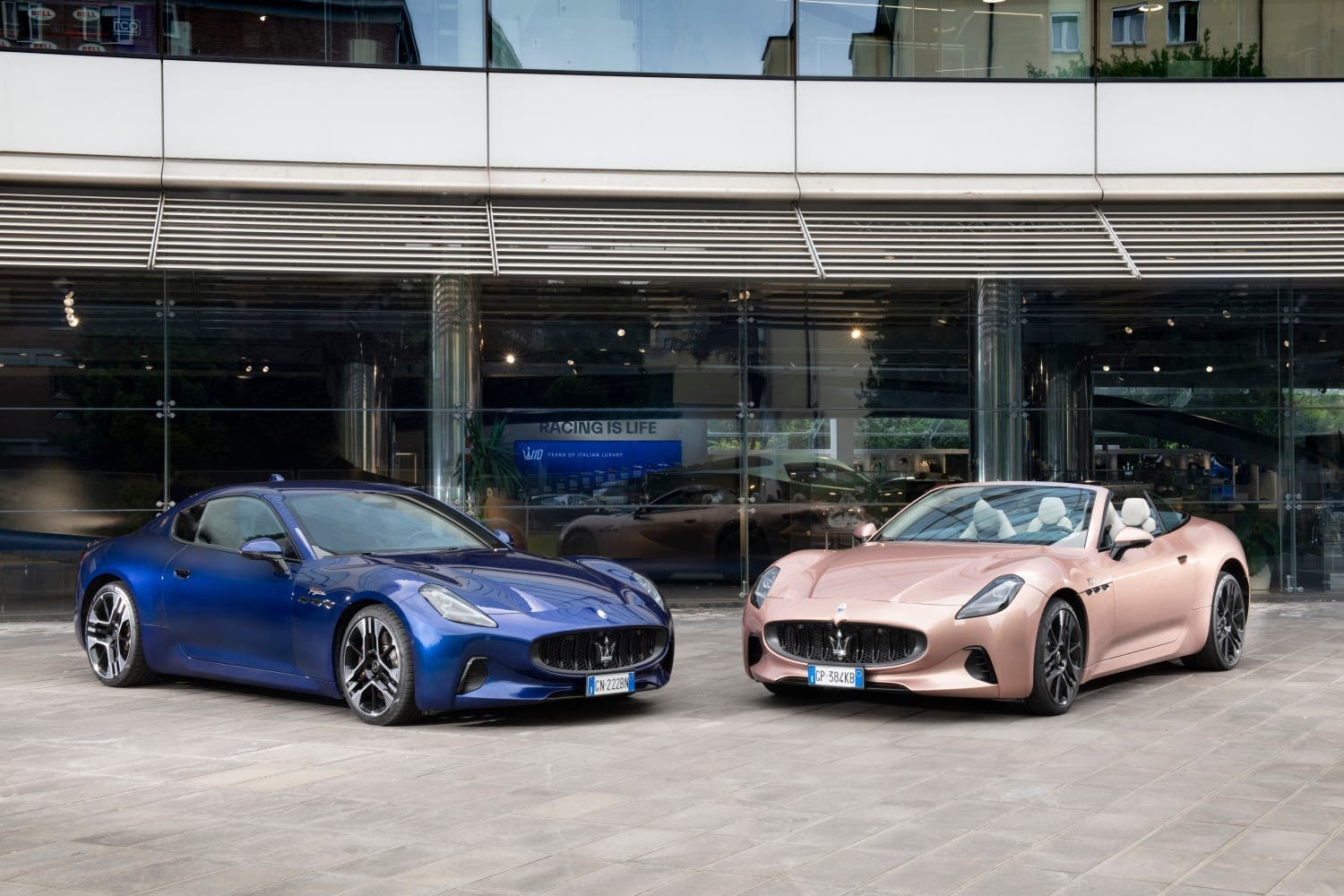
A central role will belong to the Bottega Fuoriserie program, which allows customers to configure vehicles almost to bespoke standards. Maserati aims to significantly increase the contribution of personalization to total revenue by the end of the decade.
The chosen direction moves Maserati closer to a more artisanal model, where product uniqueness becomes more important than large-scale diffusion. Such a transformation requires time and consistency, since lower volumes place greater reliance on brand strength.
As a result, 2025 represents a difficult but necessary transition. Maserati is attempting to redefine its identity in a rapidly evolving market, and the coming years will determine whether this shift toward exclusivity can truly restore balance and long-term stability.