
Within the five-year FaSTLAne 2030 plan presented by Stellantis during Investor Day in Auburn Hills, Maserati occupies a distinct position compared with the group’s other thirteen brands.
While the €60 billion strategy concentrates 70% of brand and product investment on four high-volume global pillars, Jeep, Ram, Peugeot and Fiat, together with the Pro One commercial vehicle business unit, the Trident clearly sits outside this scale-driven logic and receives separate treatment.
Maserati plans two new models and a more exclusive strategy
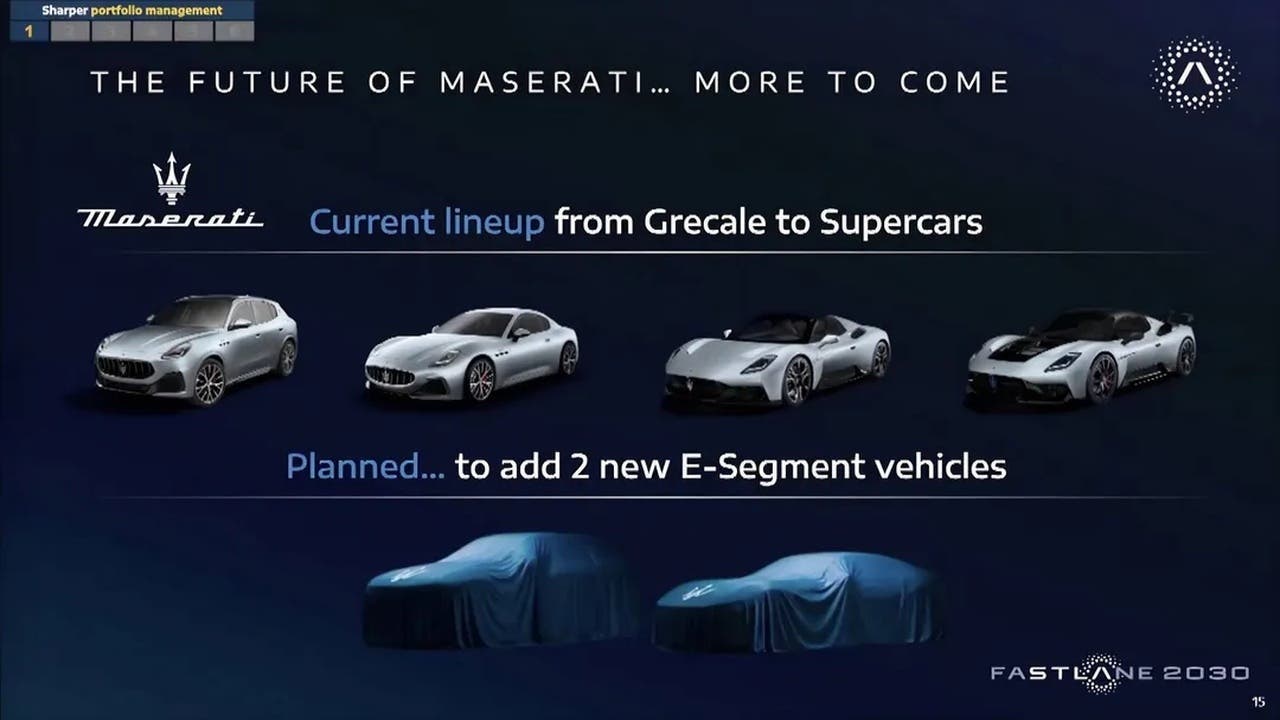
The decision reflects Stellantis’ intention to preserve Maserati’s positioning as the only pure luxury brand in its portfolio. Its future will not depend on large sales volumes, but on its ability to operate at the top end of the market, build a direct relationship with a selected customer base and develop a lineup aligned with premium-luxury expectations.
The plan does not include a reduction of the Italian brand’s offering. On the contrary, it announces two new models in the premium E-segment, an area where large vehicles can generate higher margins even with limited production volumes. Stellantis has not yet revealed the nature of these models. They could take the form of SUVs, sports sedans or next-generation grand tourers, and the group has not provided details on the technical base that will support them.
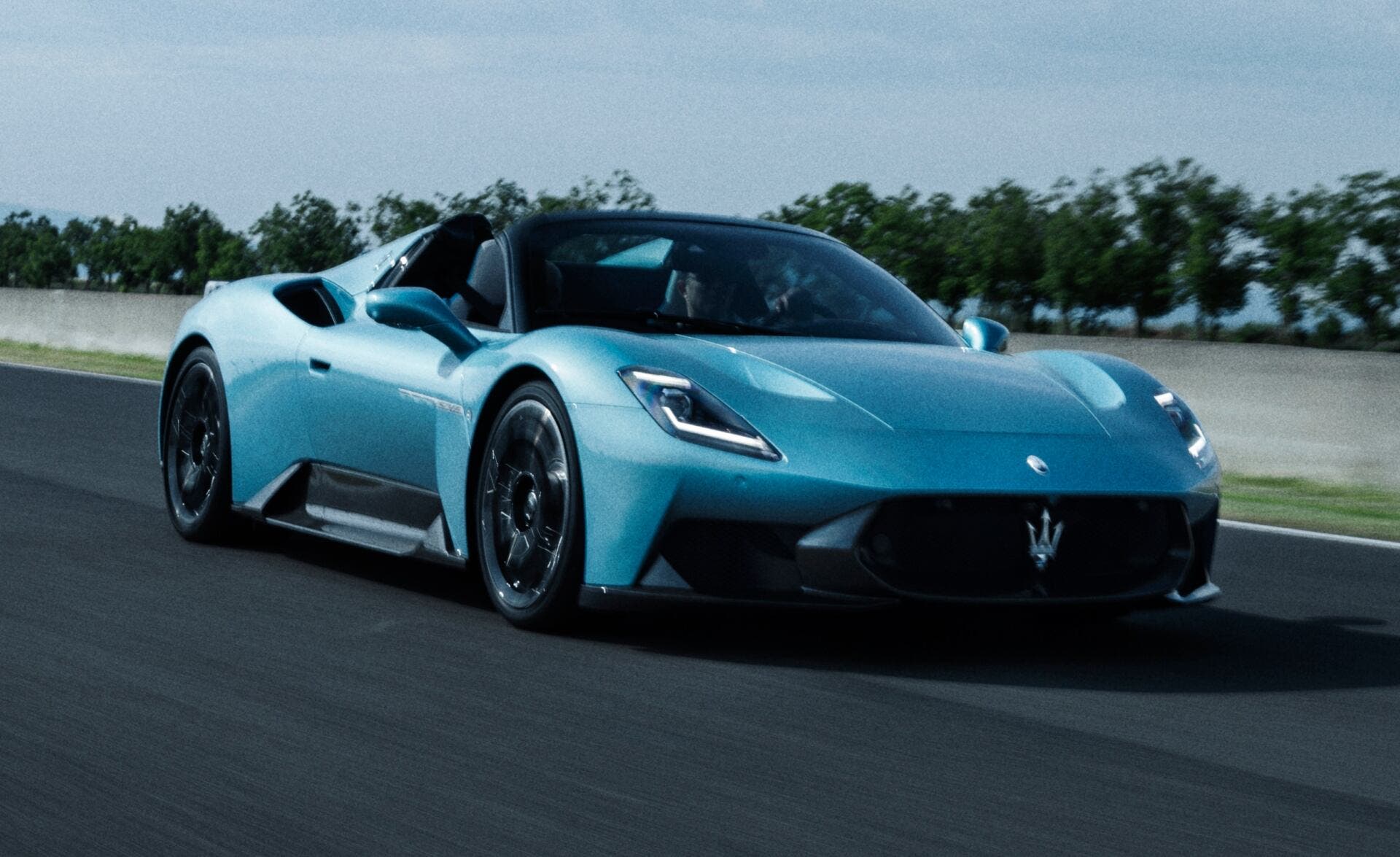
Answers should arrive in December 2026, when Stellantis plans to present a dedicated industrial and commercial roadmap for Maserati in Modena. On that occasion, the group will define the planned products, allocated investments, financial targets and international positioning strategy for the Trident toward the end of the decade.
This separation from the rest of the portfolio protects Maserati’s identity, but it also creates a clear obligation. Operating outside the economies of scale that will support Stellantis’ mainstream brands means Maserati must prove it can achieve independent profitability. The brand will need tangible results to justify Stellantis’ decision to keep the Trident on a dedicated path instead of fully integrating it into the shared-platform logic that will guide the rest of the group.