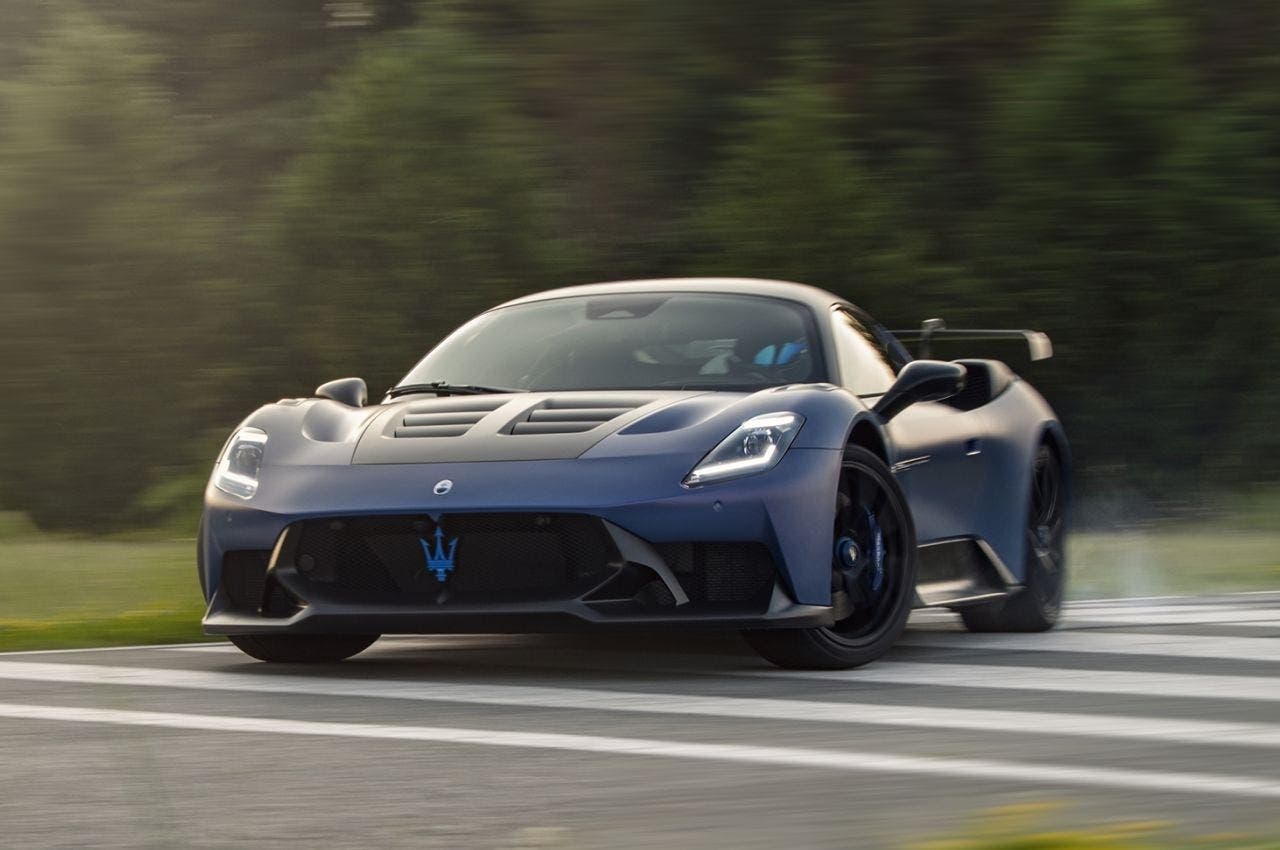
Maserati remains in a phase of major difficulty, with sales volumes continuing to fall and no clear signs of a short-term turnaround on the horizon. In 2025, the Trident brand delivered just over 11,000 cars worldwide, a figure that clearly captures the scale of the crisis.
Maserati may be preparing a much deeper change than expected
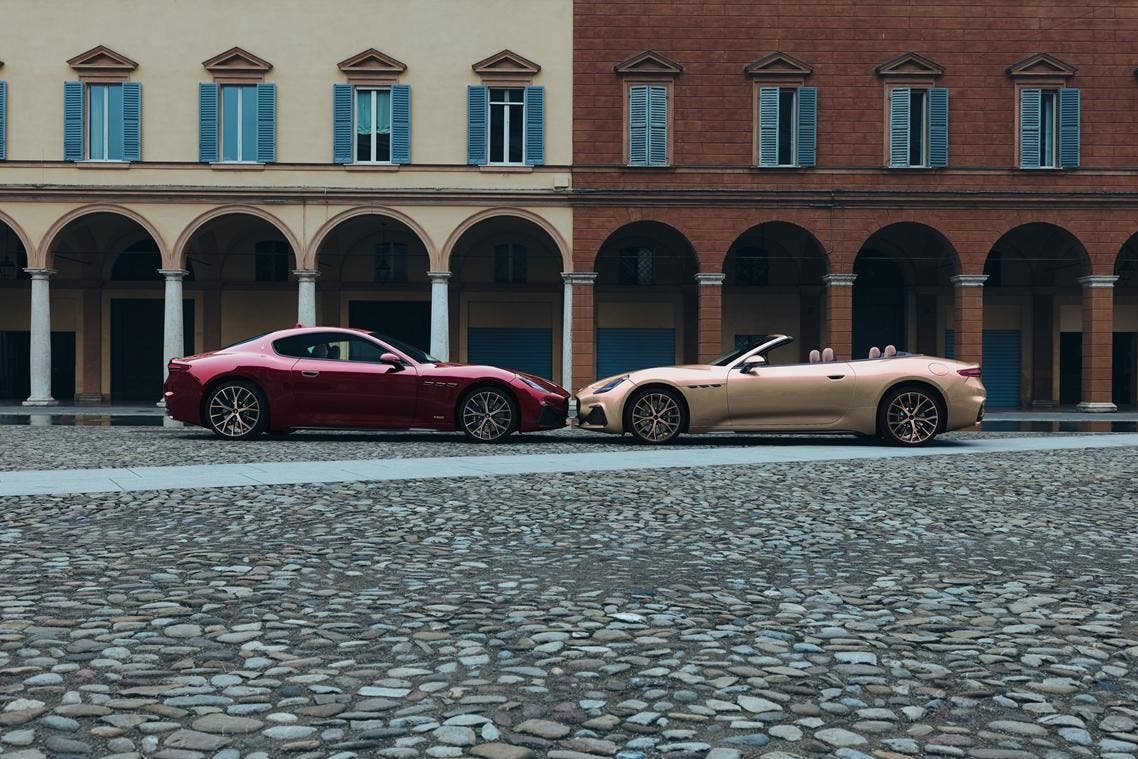
The main issue lies in the performance of the models that should support volume. The Maserati Grecale and Levante no longer provide the expected contribution in the SUV segment, while the GranTurismo and GranCabrio, despite retaining their iconic value, cannot by themselves offset the slowdown across the rest of the lineup. Even the electric versions, despite their strong technical content, have not so far changed the overall picture in any meaningful way.
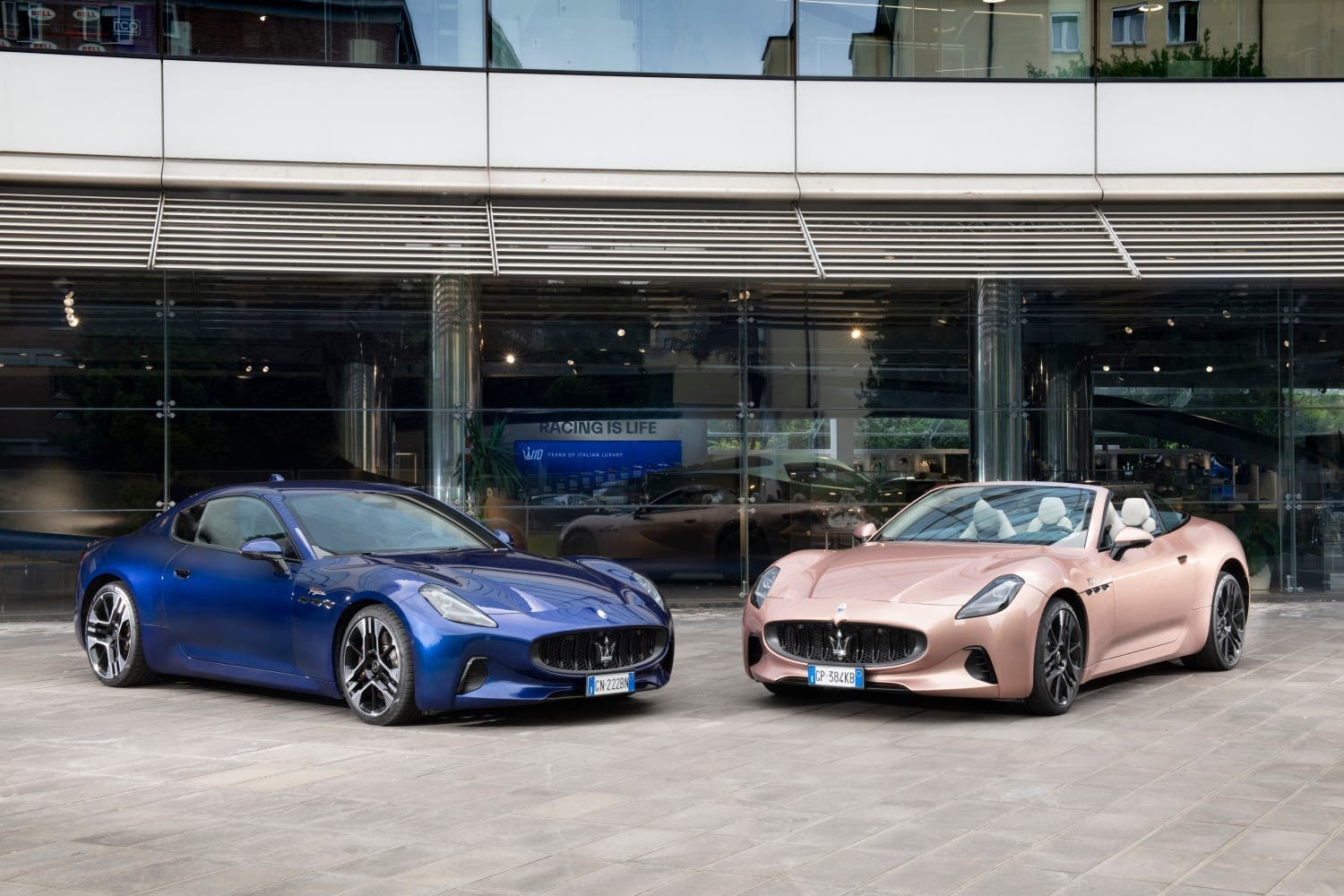
To ease the situation, Maserati will update the two grand tourers in 2027 with a mid-cycle refresh that, judging by the camouflaged prototypes seen so far, should bring fairly limited styling changes. On its own, however, such a facelift is unlikely to reverse a trend this marked.
The most interesting prospect, though, comes from Ralph Gilles, Stellantis’ head of design, who in a recent interview suggested that Maserati is preparing something much deeper than a simple visual update.
According to Gilles, the Trident is the brand within the group best suited to move in radically new directions, both in its shapes and in the very concept of the car, with an approach he described as experimental and a design he sees as more futuristic while still remaining strongly recognizable.
This line of thought also seems to rest on a reading of market evolution, where buyers appear to be showing growing fatigue toward SUVs and renewed interest in lower and sleeker body styles.
Gilles’ comments suggest a future lineup very different from the current one, less tied to the traditional space of GTs and super sports cars and potentially open to product types the brand has not yet explored. For now, it is too early to define the outlines of the new strategy, but the direction that emerges suggests that Maserati’s challenge no longer lies only in updating existing models. It now lies in redefining its identity in order to carve out a credible place in a market that has meanwhile changed in depth.