Most Formula 1 drivers arrive at the Japanese Grand Prix with one priority: recover from the time zone, get to the circuit, do the job. Lewis Hamilton arrived in Tokyo with a Ferrari F40 in the cargo hold and an appointment at a midnight drift session.
This isn’t a one-off. Last year, when he was still wearing Mercedes silver, Hamilton showed up at one of Tokyo’s legendary late-night car gatherings behind the wheel of a Nissan GT-R R34, the kind of car that, in Japan, carries the cultural weight of a national monument. Bringing the enemy’s iron to a Japanese drift meet wasn’t exactly a diplomatic masterstroke. Now, comfortably wrapped in Ferrari red, the awkwardness is gone. The F40 he drove through Tokyo’s streets is the very same car he arrived in on his first official day at Maranello. Symbolic? Absolutely.
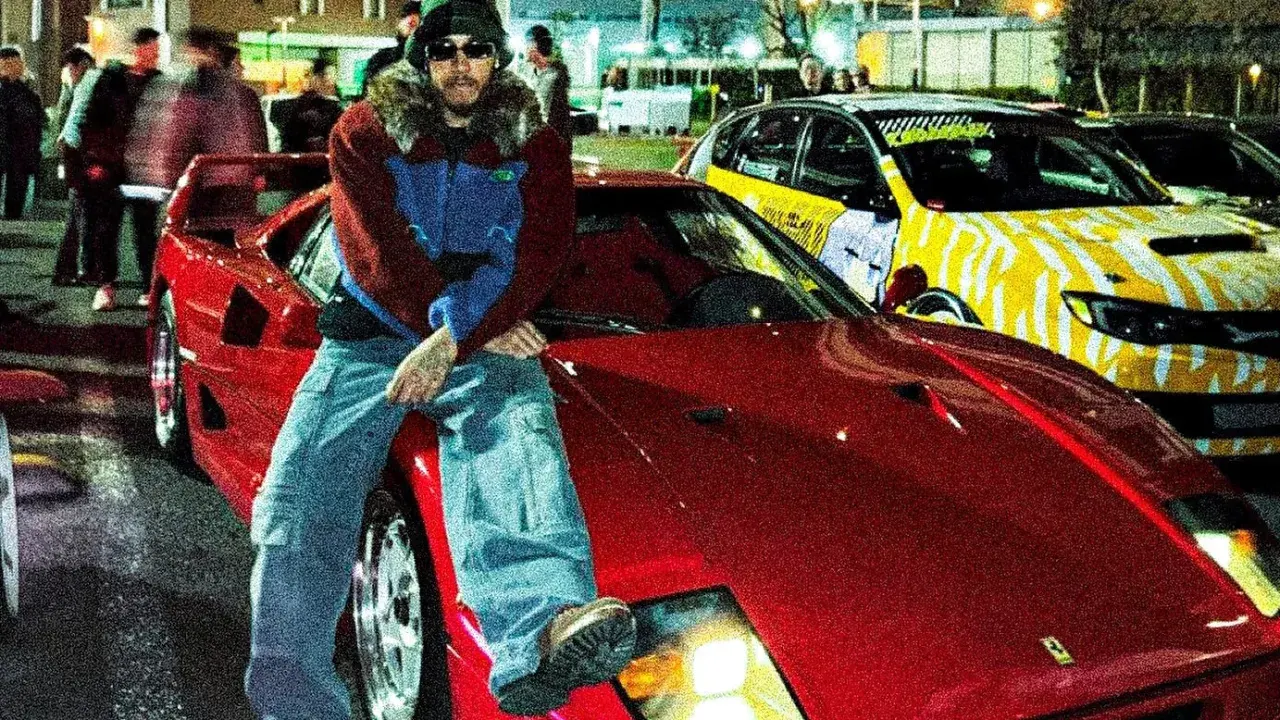
The Ferrari F40 is a twin-turbocharged V8 pushing 478 HP, 577 Nm of torque, a top speed of 200 mph, and a 0-to-60 time of 4.1 seconds. It is not a car you bring to a parking lot to blend in. And yet, surrounded by tuned Subarus and heavily modified sedans, the F40 stopped everything. Phones out, jaws loosened, a photo next to a Subaru that will almost certainly be framed somewhere in Tokyo.
Hamilton has never hidden his love for Japan, it’s his favorite stop on the entire F1 calendar. He comes early, visits Tokyo and Kyoto, and traces the obsession back to a British childhood built on Japanese cinema and karate lessons. On track, the affection is equally well-documented: five wins between Suzuka and Fuji, second only to Michael Schumacher in the all-time Japanese GP standings.
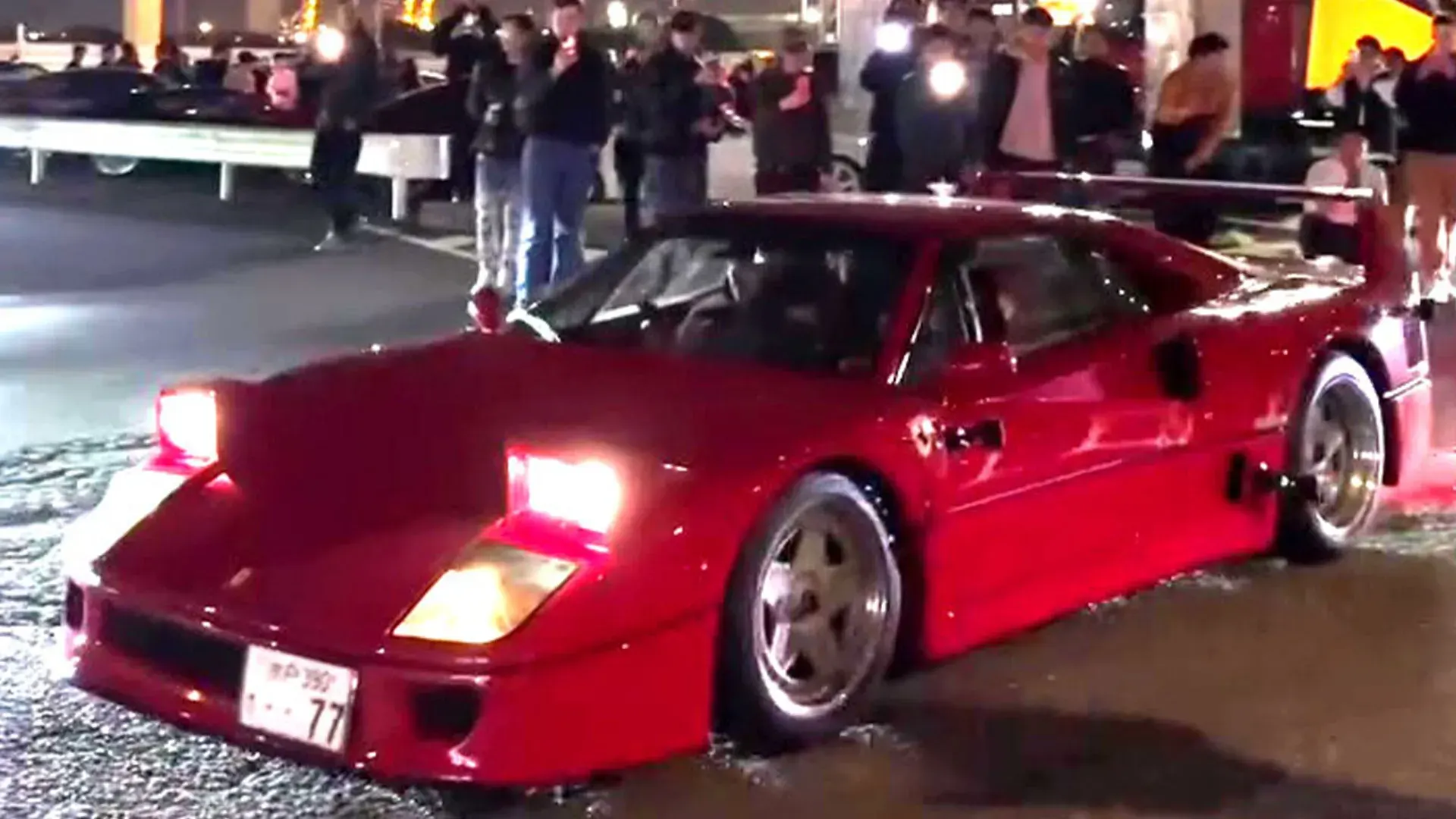
His start to the 2025 season with Ferrari has been encouraging, and if you need a reading on where Hamilton’s head is at right now, look no further than this. He flew to Japan before anyone else, brought one of the most iconic Ferraris ever built, found a drift event, and showed up. No fanfare, no content strategy, no brand activation. Just a man, a supercar, and Tokyo at night.