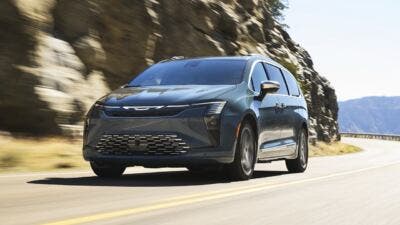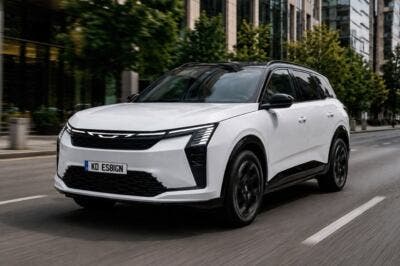
Stellantis has decided to bring Lancia back under Fiat’s direct management, effectively closing the premium relaunch project launched when the group was created in January 2021. The new industrial plan, presented last month, states that the Gamma will remain the last model developed independently, while the Delta, the third pillar of the original strategy alongside Ypsilon and Gamma, may never reach production.
The decision comes after the disappointing results of the new Ypsilon, which failed to reach the expected volumes and made a change of direction inevitable. For American readers, the link between Lancia and the Stellantis world also runs through Chrysler, a connection that produced far from encouraging results for the Italian brand during the FCA era.
Lancia and Chrysler: the lesson Stellantis must remember for the brand’s future
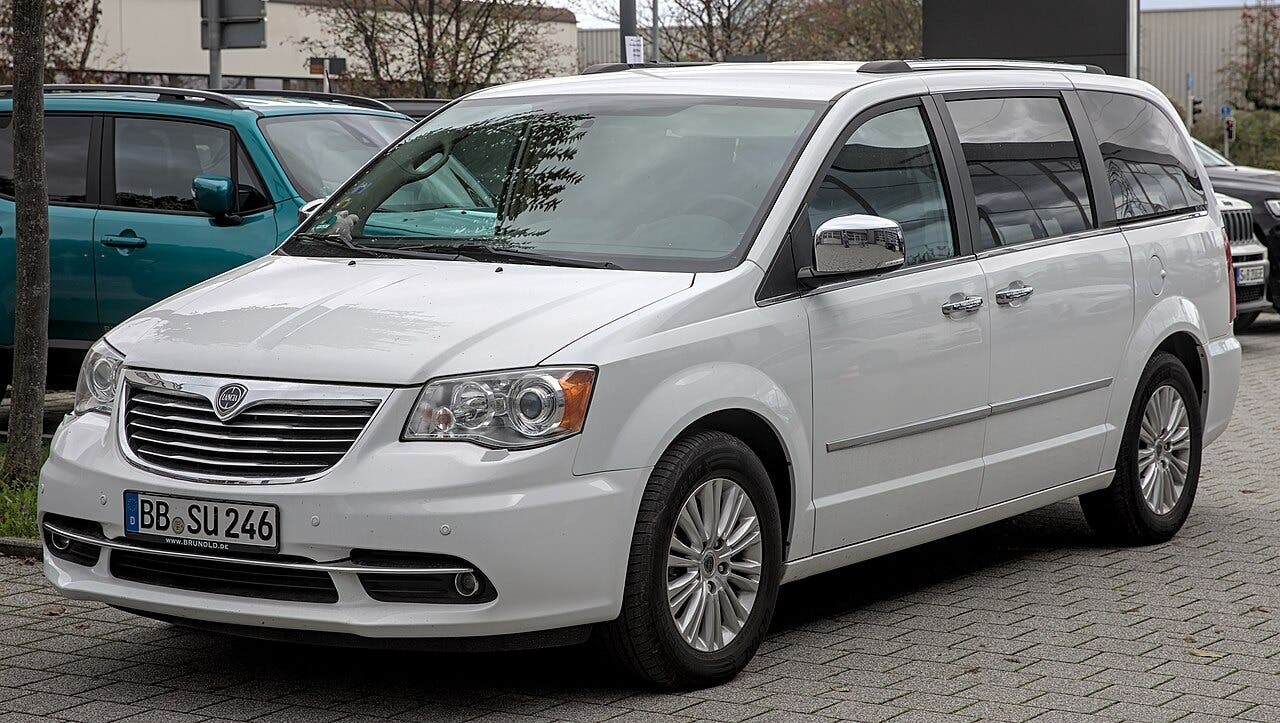
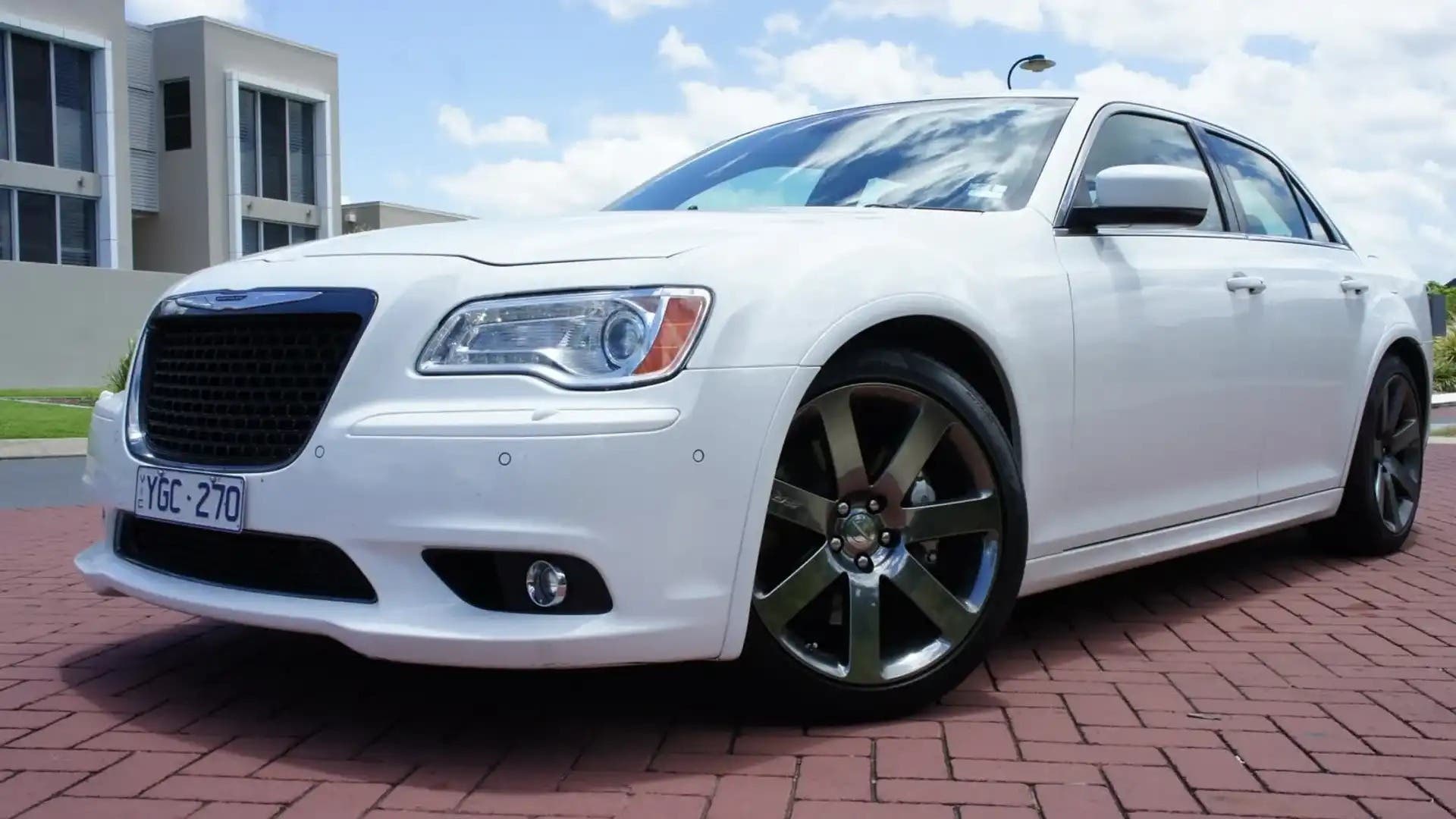
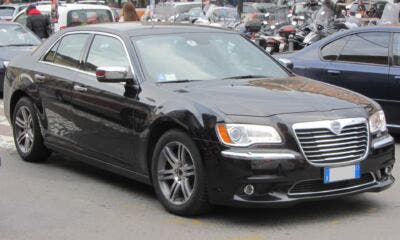
Between 2011 and 2014, Lancia tried to expand its range by importing Chrysler-derived models into Europe. The Thema, built on the Chrysler 300, sold just over 5,000 units in the Old Continent, a figure that shows how coldly European buyers received the proposal. The Voyager, a rebadged version of the Chrysler minivan, reached around 15,000 units, while the Flavia, derived from the Chrysler 200 Cabrio, became a real commercial failure with only a few hundred examples sold. Those models, designed for the North American market and simply adapted for Europe, failed to convince customers used to different standards in terms of size, fuel consumption and driving character.
The history between Lancia and Fiat, however, also tells a very different story. The Lancia Musa, derived from the Fiat Idea, reached 238,339 units sold and even surpassed the 212,005 units recorded by the car on which it was based. The Fiat Ulysse and Lancia Phedra pairing also worked, with 191,413 units for the Fiat and 65,681 for the Lancia. In those cases, the formula used a shared technical base but added careful work on the identity and positioning of each model.
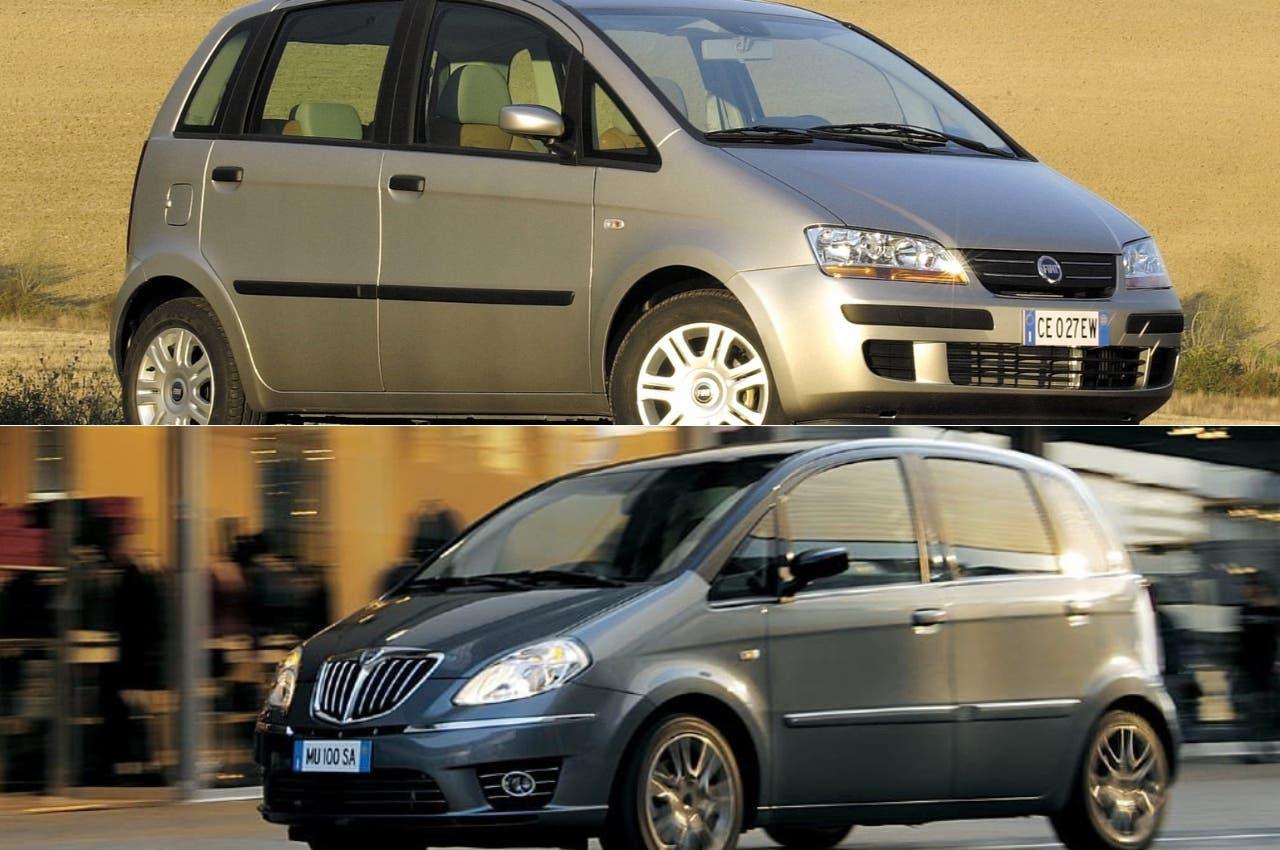
Antonio Filosa has said that Lancia will return to its “golden years”, a reference that seems to point precisely to that era of well-differentiated sister models. Future Lancia models could use the platforms of the Grande Panda or the new Fiat Grizzly models expected in 2026, following an industrial sharing logic that worked in the past when the two brands managed to preserve distinct identities. The Chrysler-derived experience, on the other hand, shows that simply rebadging cars designed for a different market does not offer a viable path.