Records are made to be broken, and in 2025 Lamborghini broke all of its own. The Sant’Agata Bolognese outfit closed the year with 3.2 billion euros in revenue and 10,747 cars delivered, both all-time highs. The raging bull has never raged harder, financially speaking.
So what does a supercar maker do when it’s sitting on its best numbers ever? It plays it smart. No new model lines, no dramatic portfolio expansion. What’s coming in 2026 is almost certainly a pair of derivatives. One long overdue, one with a spec sheet that reads like a challenge to the laws of physics.
The more obvious one is a Revuelto Roadster. Lamborghini’s V12 flagship coupé has been in production for nearly three years, and the open-top version is still nowhere to be seen. An absence that’s starting to feel less like suspense and more like a scheduling problem.
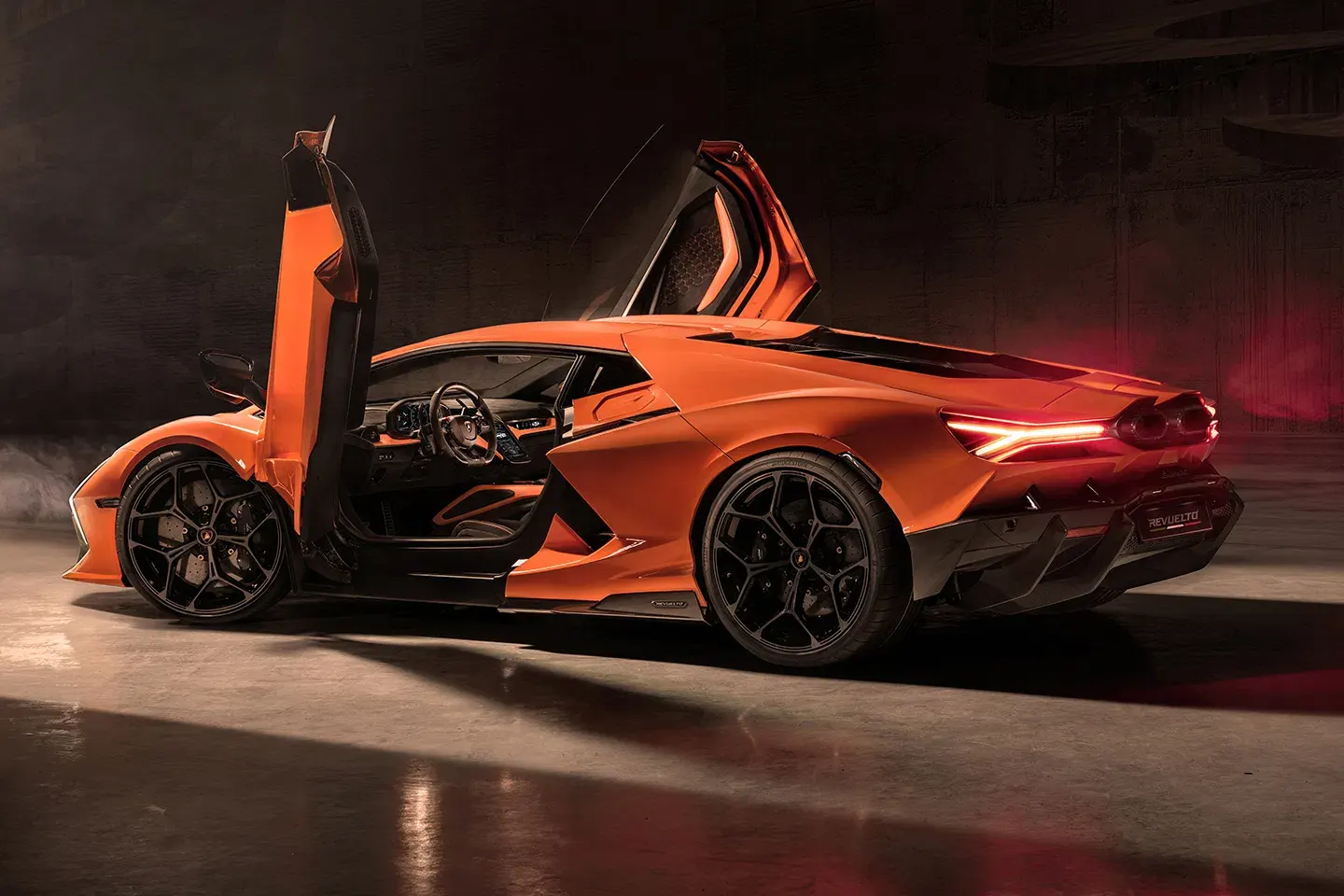
Two events are already circled on the calendar: the Goodwood Festival of Speed in July and the Monterey Car Week in August. Lamborghini, in true fashion, confirms nothing and issues the kind of institutional non-statement that PR departments print by the ream.
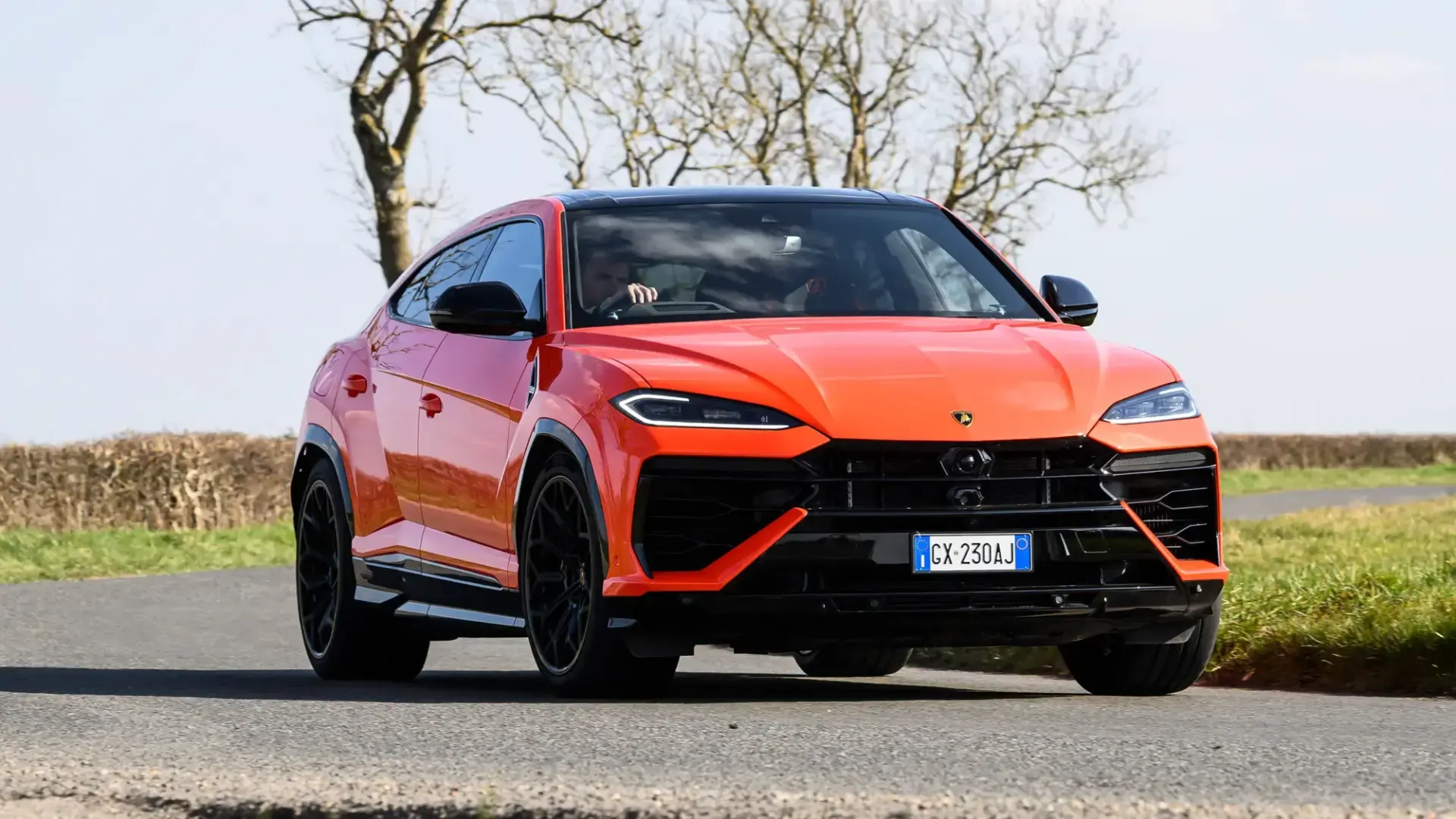
The other expected arrival is an Urus SE Performante, packing a plug-in hybrid V8 powertrain north of 800 combined horsepower. Keep in mind the standard Urus SE already sits at 789 HP. So Lamborghini is essentially building a performance SUV that embarrasses most sports cars on a straight line. The original Urus turns ten in 2027, and its fully electric successor has been quietly pushed to the end of the decade as a PHEV.
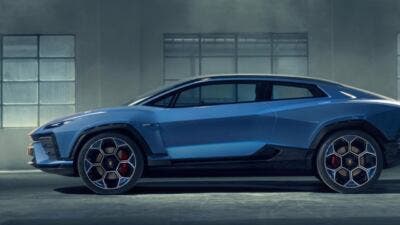
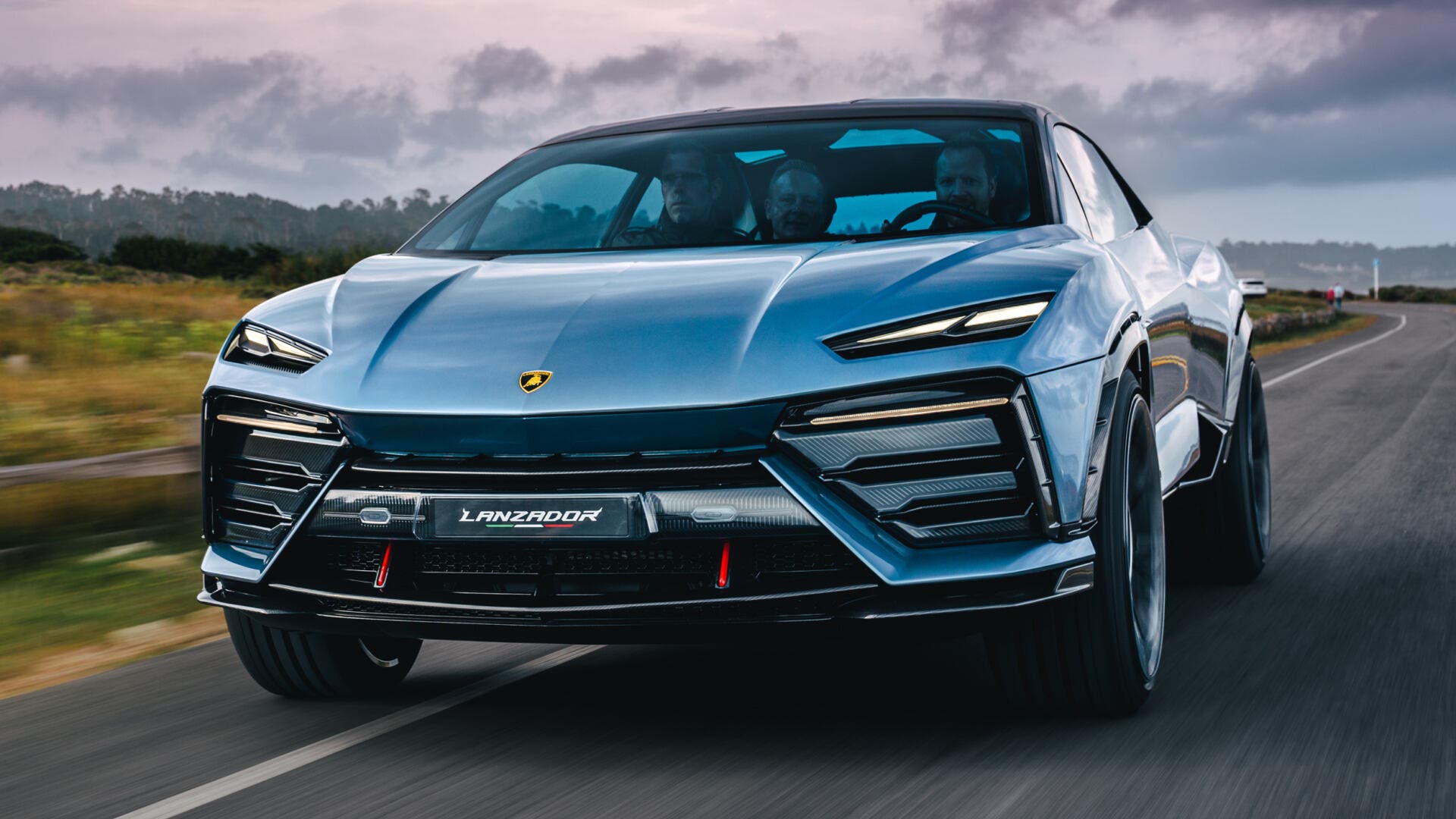
The Lanzador EV, once announced with considerable fanfare, has also been reshuffled into hybrid territory and won’t land in 2026.
Which brings us to the most entertaining subplot of the whole story. Less than a month ago, CEO Stephan Winkelmann described electric vehicles as a “costly hobby” and called full electrification “financially irresponsible toward shareholders, customers, and employees.” Strong words. Memorable ones. The kind you’d expect a man to stand behind. And yet, almost on cue, Lamborghini officially confirmed that a fully electric model is still in the pipeline, most likely post-2030.
The strategy for the foreseeable future is transparent. Keep demand high for the existing V8 and V12 lineup, stretch their appeal through well-timed variants, and hold the record books close while the energy transition remains the industry’s most awkward dinner guest.