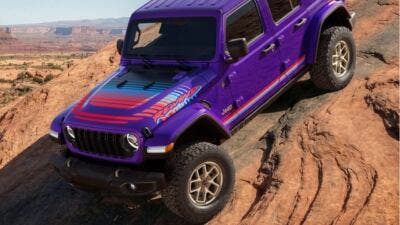
Some concepts are born to die quietly in a corporate design archive before disappearing into the void. The Jeep Wrangler Rewind was not one of those. Unveiled as a one-off concept at the Easter Jeep Safari 2026, the annual ritual where Jeep brings its most adventurous ideas to real terrain and real people, the Rewind triggered something the brand clearly wasn’t prepared to ignore. An enthusiastic, borderline-irrational response from the kind of fans who actually know what they’re talking about.
Bob Broderdorf, CEO of the Jeep brand, put it plainly. The Easter Jeep Safari has long served as the company’s most honest feedback loop, a place where there’s no focus group buffer between the brand and the people who live the Jeep lifestyle. The Rewind hit a nerve. So now it’s real, and it’s coming as a special edition for both the Wrangler and the Gladiator.
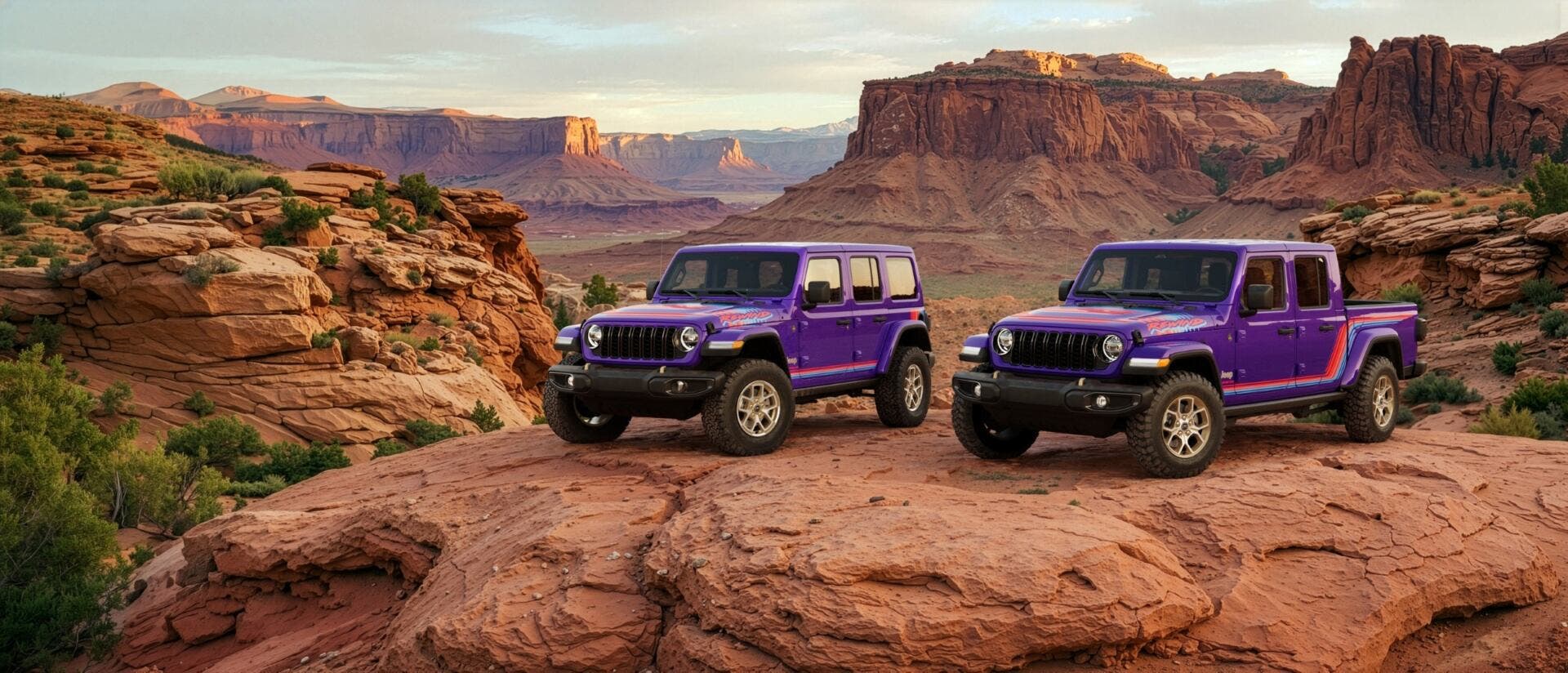
The design team, many of whom grew up in the ’80s and ’90s, didn’t have to look far for inspiration. They pulled from the visual language of their own childhoods. Bold geometric graphics, arcade-game color palettes, the kind of neon enthusiasm that made everything from sneakers to lunchboxes look like it was having the time of its life. Including those iconic gas station coffee cups that apparently qualify as a legitimate design reference now.
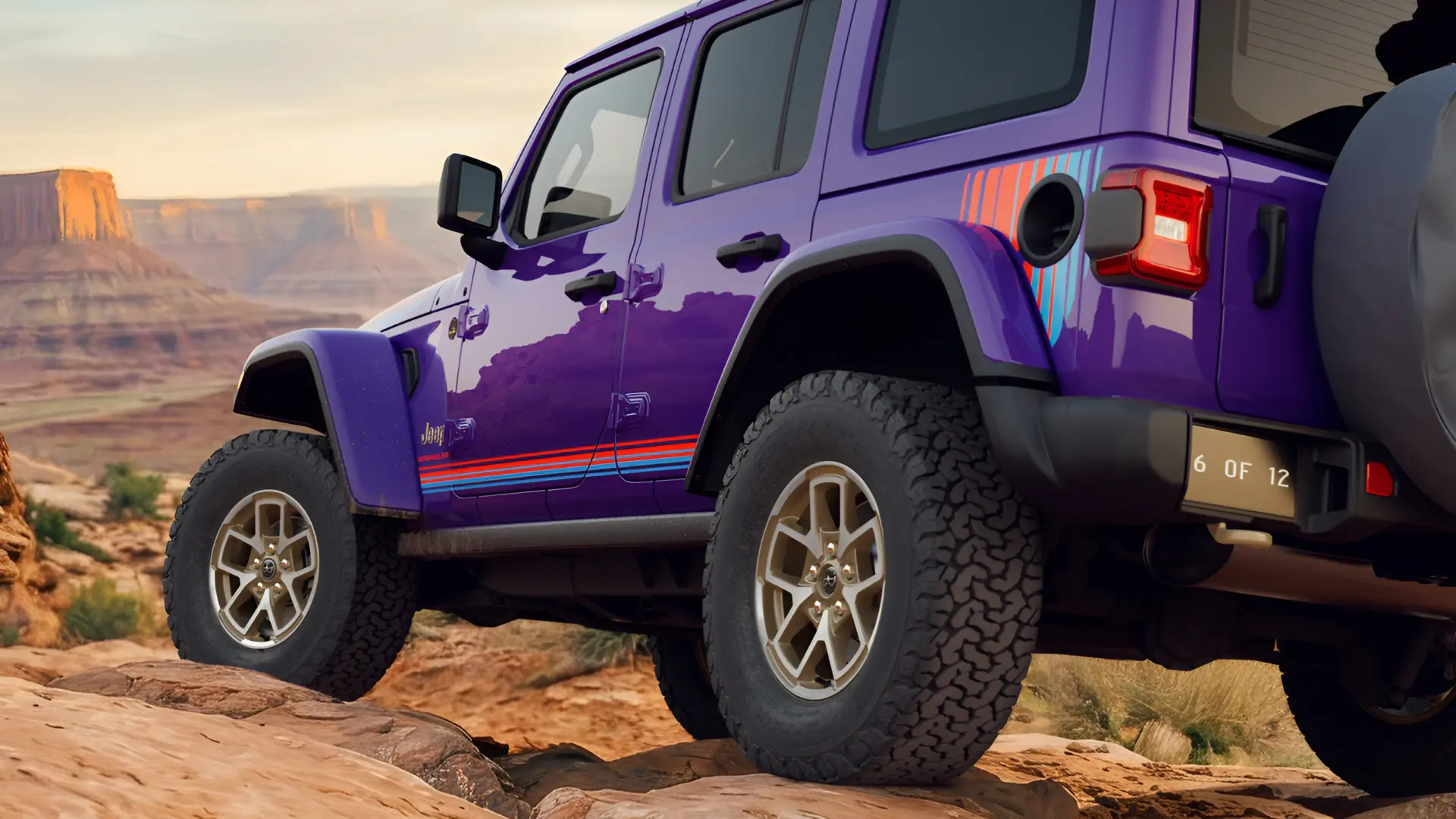
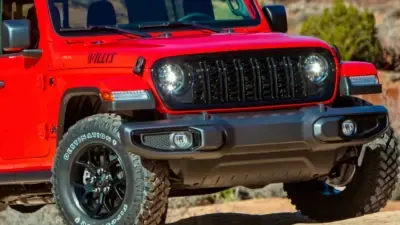
What keeps this from being a nostalgia cash grab is the DNA underneath. The Rewind packages its retro attitude around the authentic off-road capabilities rooted in Jeep’s Willys heritage. The graphics are loud, the colors are unapologetic, and the truck can still go places that would make most crossovers write a resignation letter.
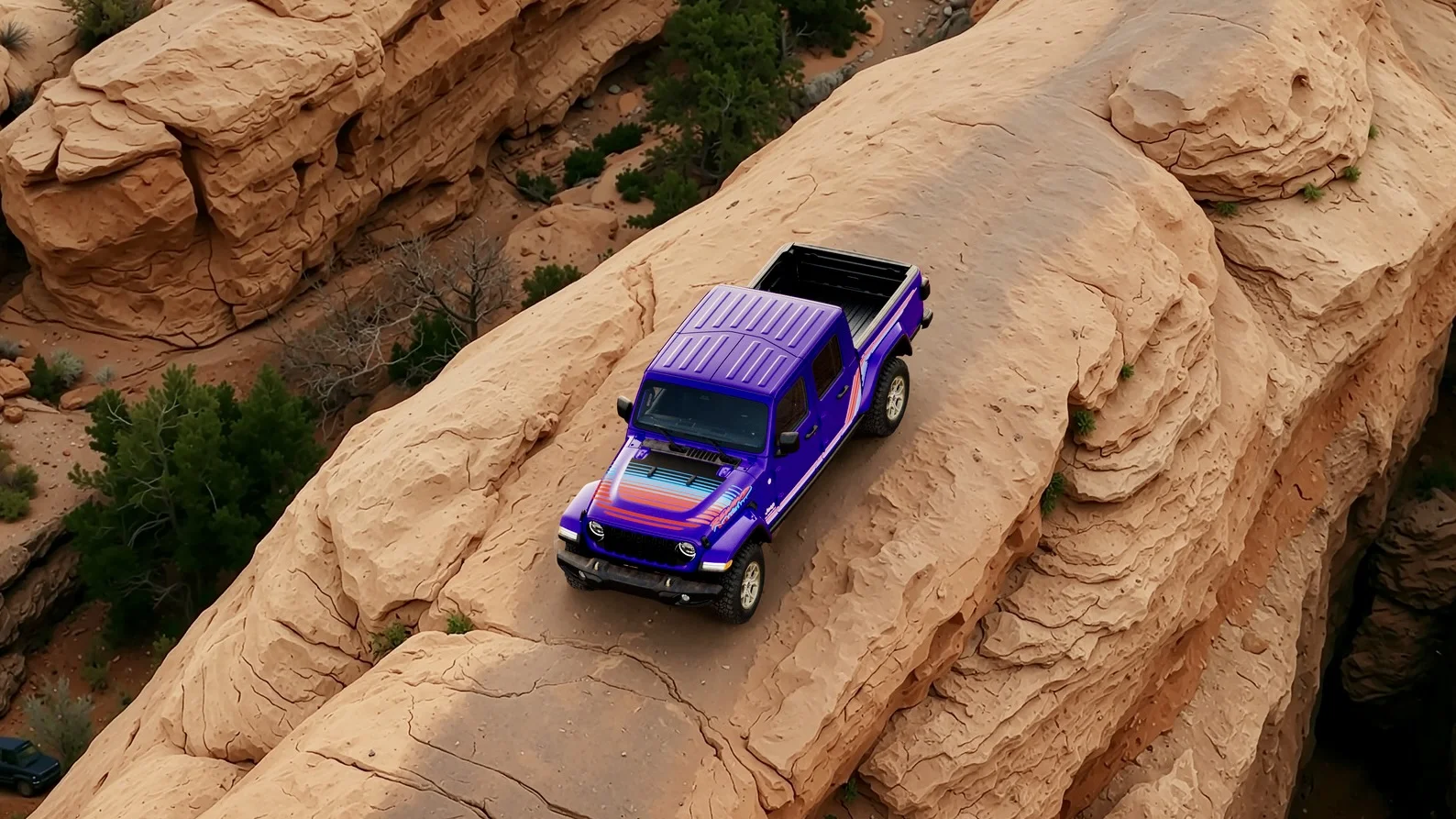
The Jeep Wrangler and Gladiator Rewind aren’t just a throwback. They’re proof that sometimes the best product decision a brand can make is simply getting out of the way of what its community already wants.