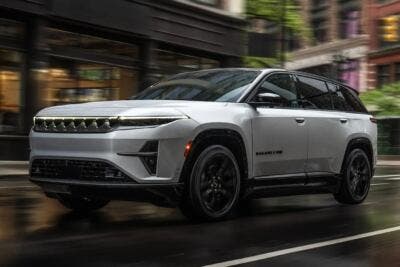
FCA US has launched a recall covering about 20,271 Jeep Wagoneer S and Dodge Charger Daytona vehicles from the 2024 and 2025 model years sold in the United States. The campaign addresses a software defect in the digital instrument cluster that, under certain conditions, may prevent the correct display of information relevant to driving safety.
Jeep Wagoneer S and Dodge Charger Daytona recalled over digital cluster issue
FCA US identified the issue after an internal investigation opened on March 10, 2026, by its Technical Safety and Regulatory Compliance team. In the following weeks, the team analyzed the reports received and traced the source of the problem, leading Stellantis to formalize the recall decision on April 16, 2026.
The malfunction can affect the display of brake warning lights, electronic stability control alerts, tire pressure monitoring warnings and the selected gear indicator. If this information does not appear on the screen, the driver may lose real-time warnings about abnormal vehicle conditions.
On high-performance and highly digitalized models such as the Wagoneer S and Charger Daytona, the reliability of digital instrumentation plays a particularly critical role. The possible non-compliance with some U.S. federal safety standards made a formal recall necessary.
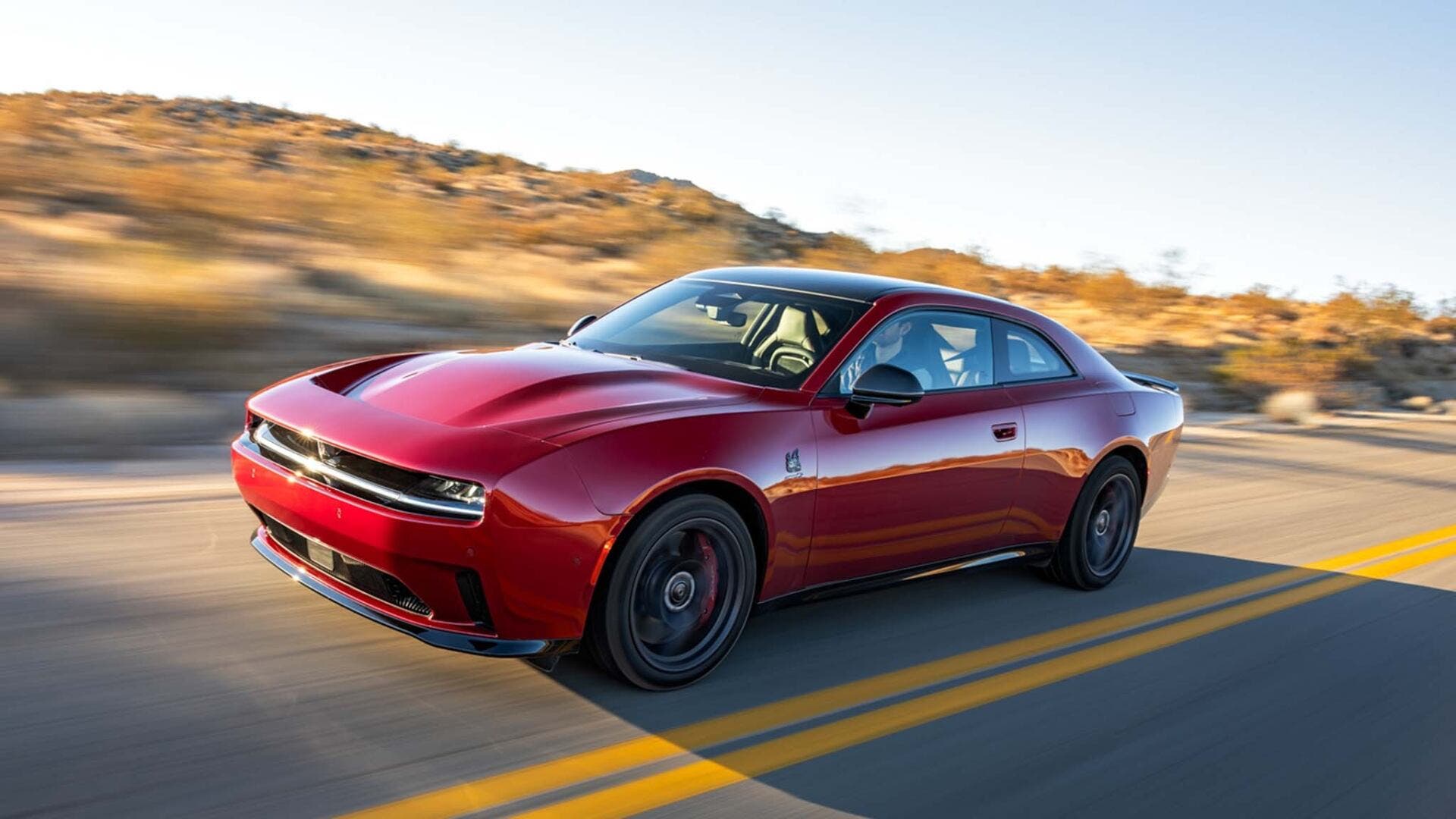
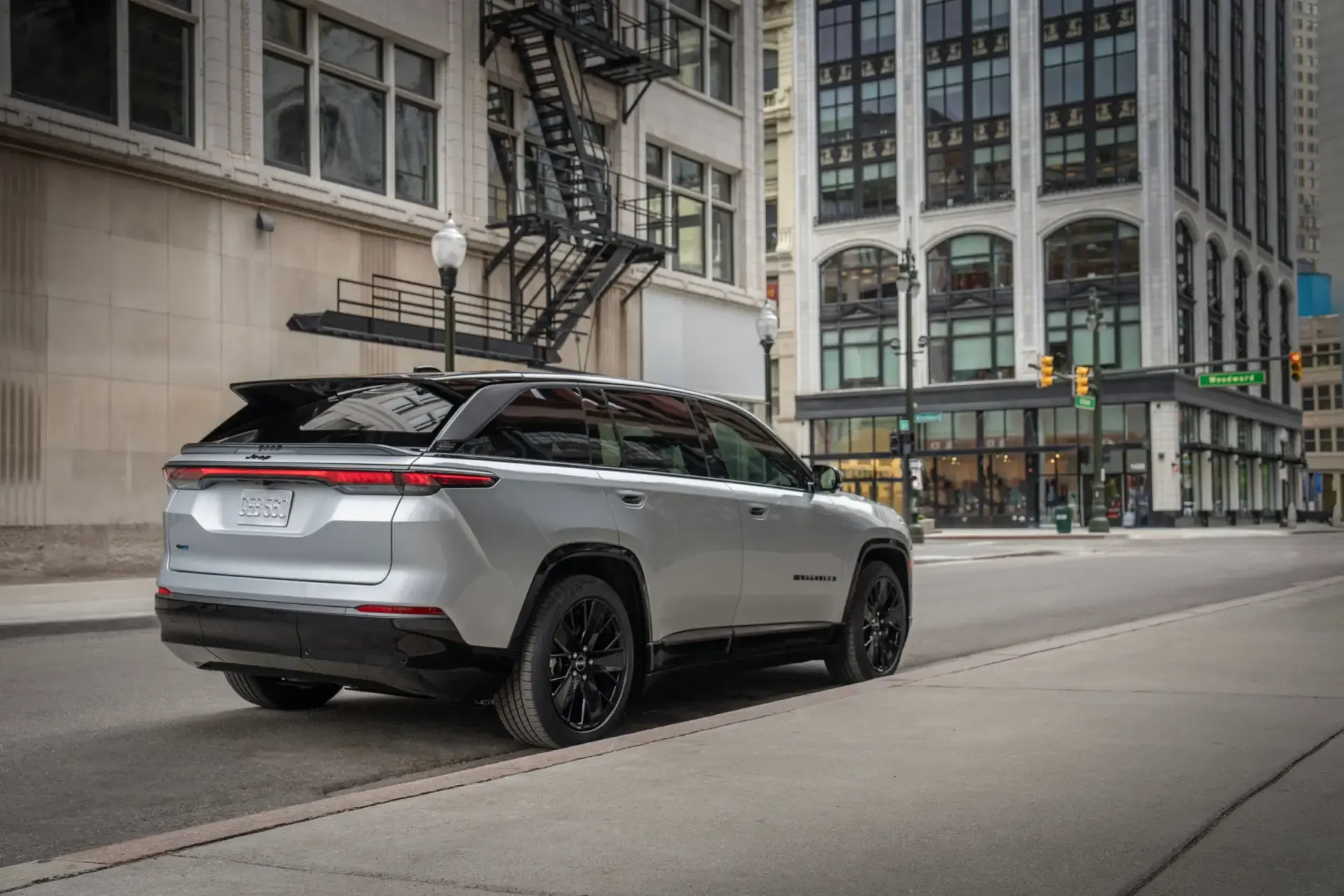
The Jeep Wagoneer S accounts for the largest share of the campaign, with 11,743 potentially affected units produced between March 24, 2024, and November 12, 2025. The Dodge Charger Daytona recall covers 8,528 vehicles built between April 30, 2024, and April 25, 2025. For both models, dealers will update the digital instrument cluster software free of charge. Official owner notifications should begin on May 21, 2026, under FCA recall code 39D.
The recall involves two key models in Stellantis’ electrification strategy for North America. Although the fix requires only a software update and no hardware changes, the case highlights how the complexity of digital systems in new-generation vehicles requires continuous monitoring even after market launch. In this case, Stellantis moved from the first report to the recall decision in just over five weeks.