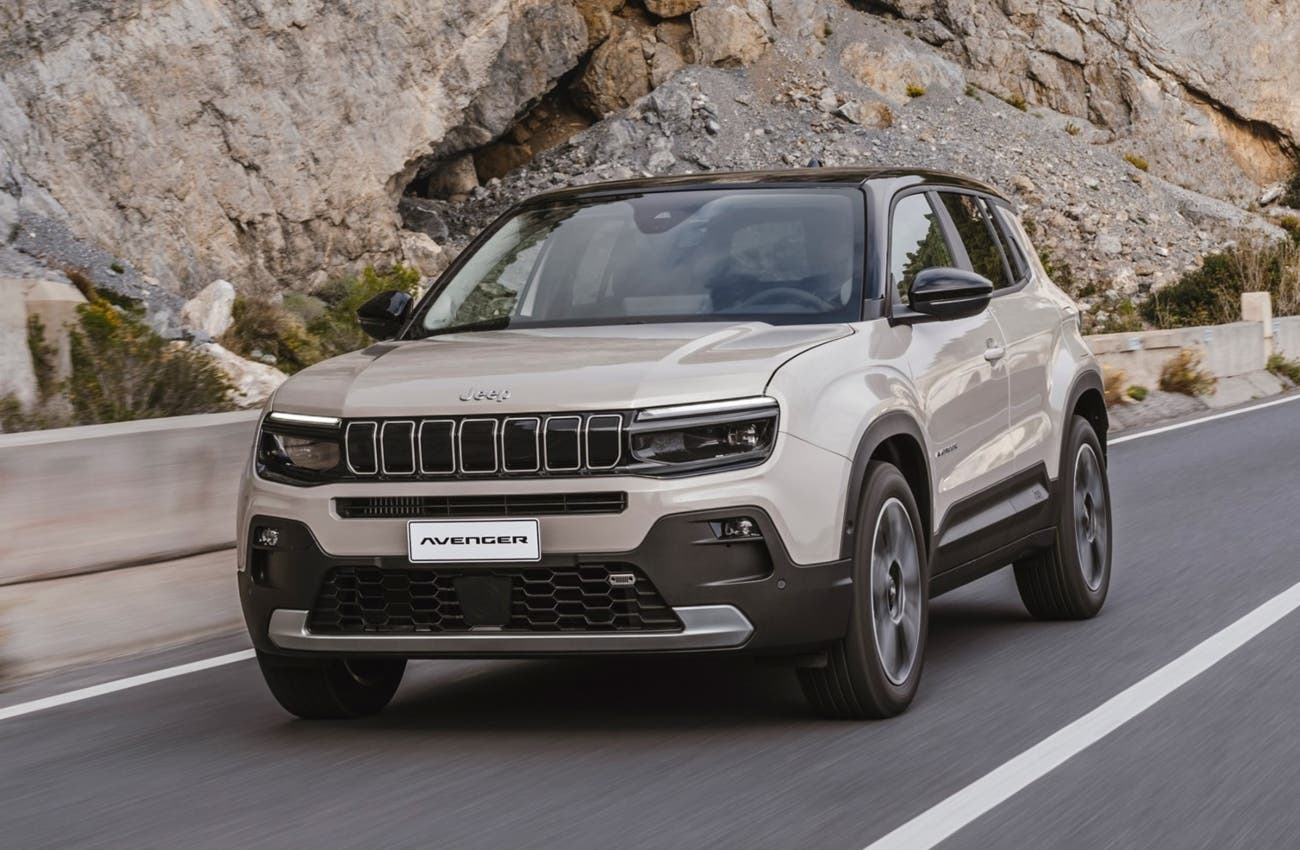
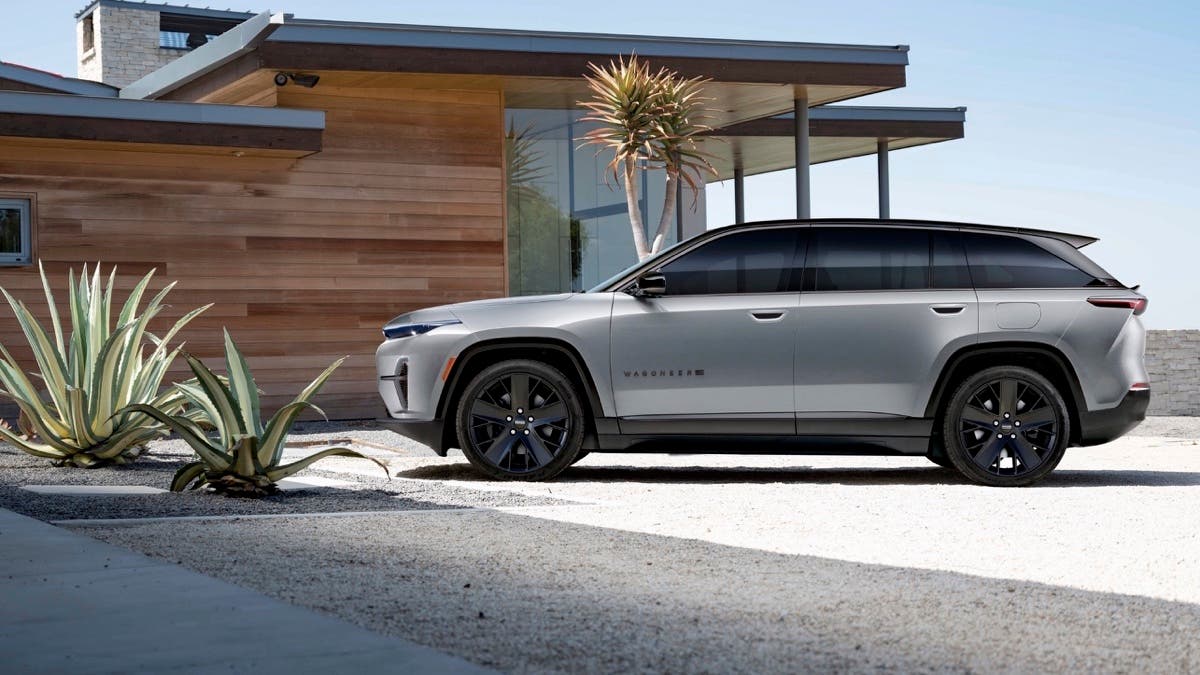
The automotive world is often a theater of the absurd, but Jeep’s latest move with the Wagoneer S feels like a tragicomedy written in Detroit and staged in a desolate showroom. Stellantis has quietly confirmed that the 2026 model year for its electric flagship has been scrapped. This Jeep is sitting on dealer lots like a heavy, 600-horsepower paperweight that nobody asked for.
When the Wagoneer S launched in early 2025, it had the swagger of a heavyweight champion. It was fast, luxurious, and aimed straight at the heart of the American premium market. For nine months, it breathed the thin air of success, moving over 10,000 units. But then, the federal government pulled the plug on the $7,500 tax credit, and the Wagoneer S drove off a cliff. Selling only 175 units in the first quarter of 2026 it’s a flatline.
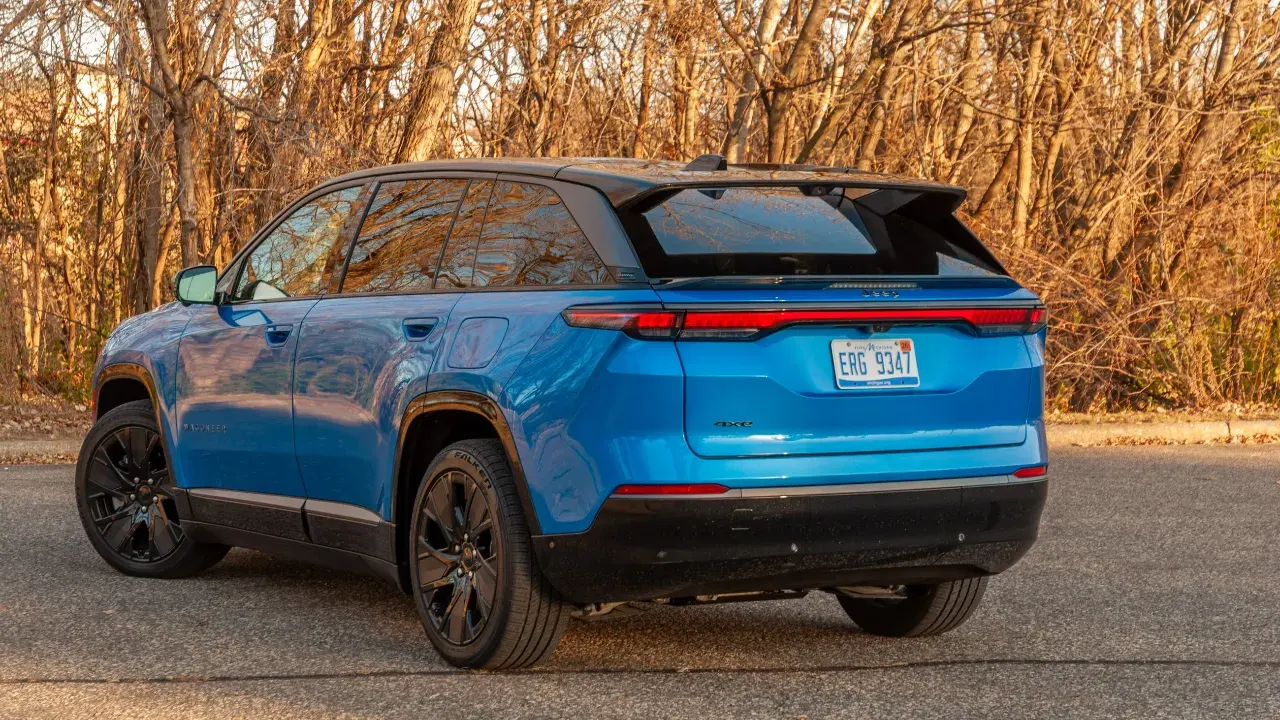
Asking nearly $70,000 for a Jeep that struggles with “glitchy and unresponsive” software is a bold strategy, and not a good one. It seems the “soul” of the machine was more of a digital ghost haunting the infotainment system. While the 2025 models are still gathering dust in showrooms, Jeep is already promising a “redemption” arc for 2027, featuring a native Tesla-style NACS charging port.
The reality is that the Wagoneer S suffered from a profound identity crisis. Assembled in Mexico and stripped of its subsidies, it became a luxury experiment that the average American driver simply couldn’t justify. Now, Jeep is throwing a $7,750 manufacturer incentive at the problem, hoping to lure buyers back from the brink of common sense.
Meanwhile, the brand is shifting its gaze toward the Recon, the electric sibling to the legendary Wrangler. With its removable doors and rugged promises, the Recon actually looks like a Jeep, unlike its high-priced, software-addled cousin. Whether it can save Stellantis from its own electric ambitions remains to be seen.