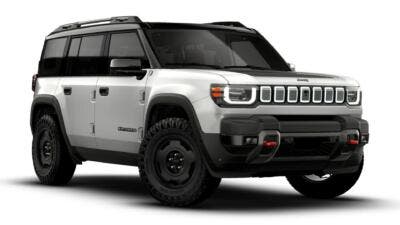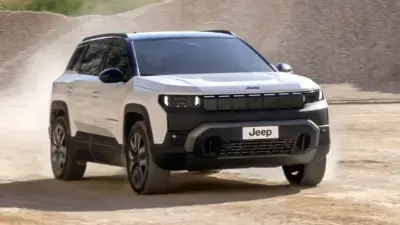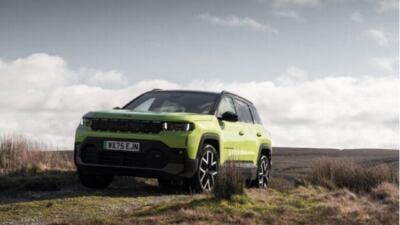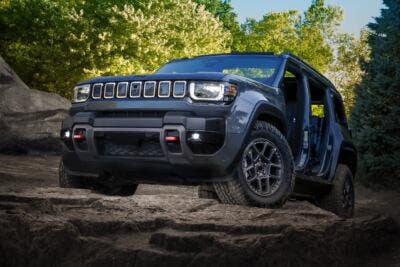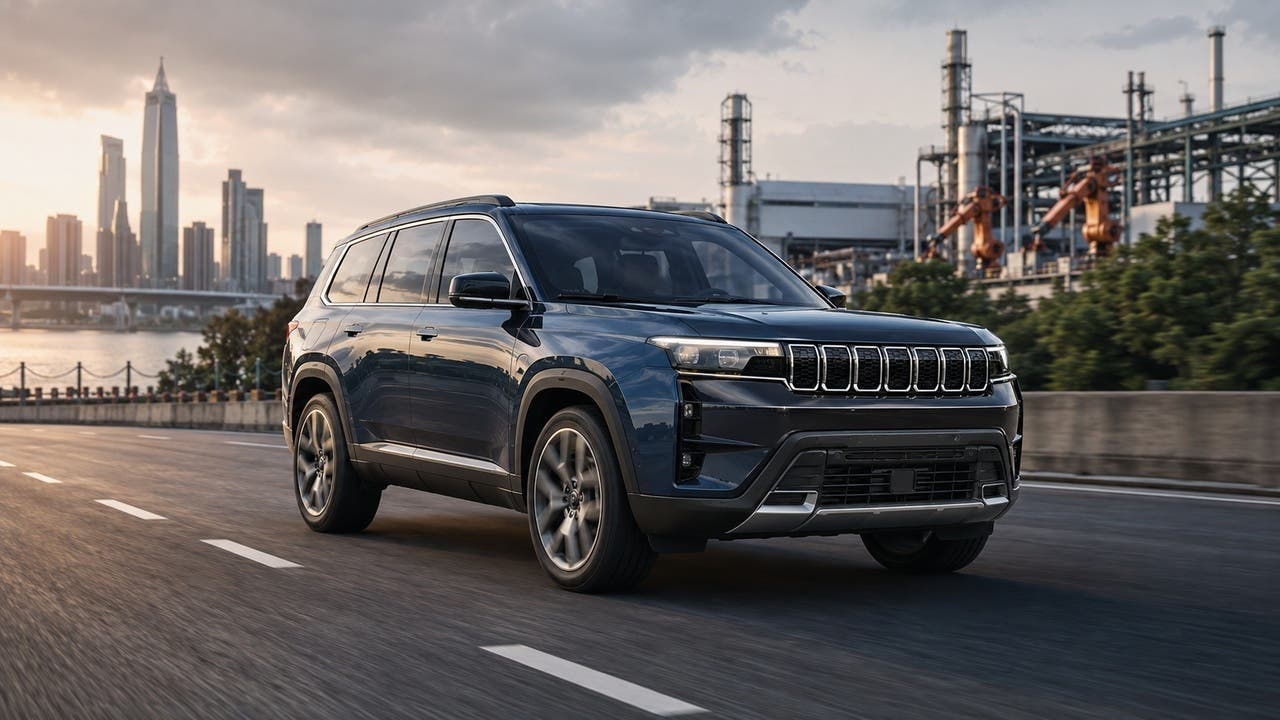
Stellantis is reportedly preparing a large D-segment Jeep SUV that Dongfeng’s Wuhan plant in China would build, with the goal of bringing it to Europe by the end of the decade. The project forms part of the roughly $1.2 billion agreement signed by Stellantis and its Chinese partner, which includes the development and production of new Jeep and Peugeot models in China by using local expertise in electrification, batteries and software.
The news has attracted attention because it involves one of the most recognizable brands in the entire group. Jeep has built its identity around off-road vehicles and a sense of adventure, and the idea of a model designed and assembled in China for sale in Europe raises questions both from an industrial perspective and in terms of product perception.
Jeep’s new large SUV for Europe could be built in China
Jeep’s European lineup is currently more limited than the brand’s broader plans suggest. Stellantis wants to expand it to six models by 2030, covering everything from compact models to large SUVs, with a growing presence of hybrid and electric powertrains. The new D-segment SUV would occupy the upper end of this offer, bringing generous dimensions, comfort and technology to a European audience that remains particularly demanding in this class.
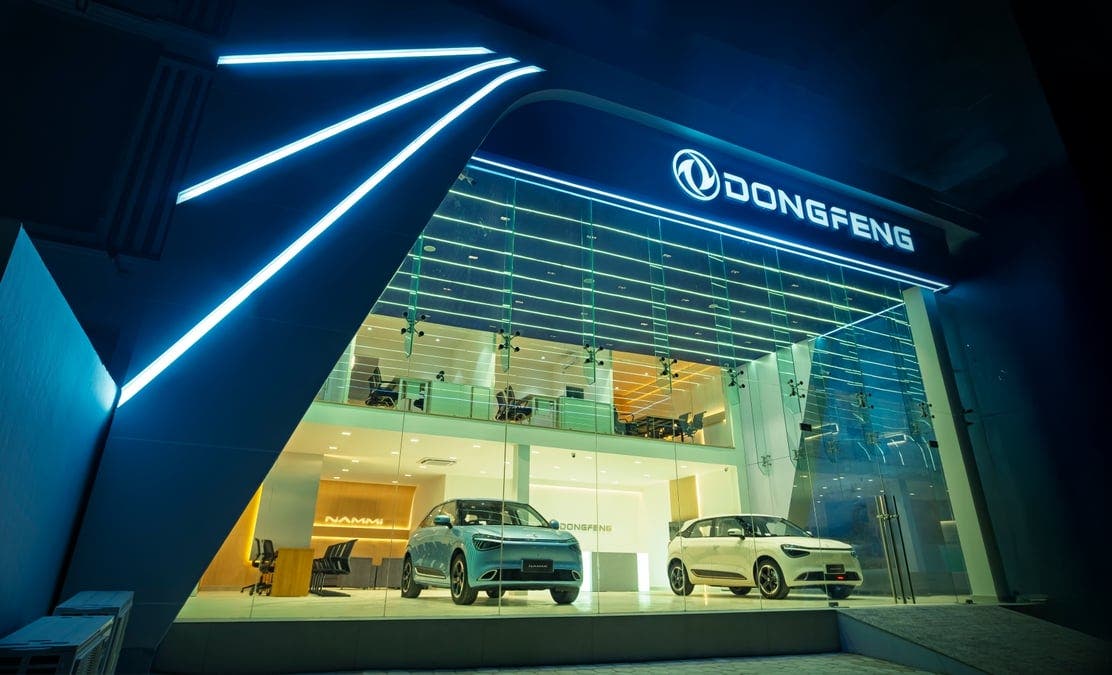
Building the model in China would allow Stellantis to shorten development times and contain production costs, at a moment when Chinese automakers are entering Europe with increasingly competitive models and aggressive pricing. For Stellantis, working with Dongfeng offers a way to respond to that pressure without starting from scratch.
The most delicate point concerns product identity. A Jeep SUV built in China would still need to feel like a real Jeep, with coherent proportions, visual solidity and the kind of personality that customers have always associated with the American brand. If buyers perceived the model as too distant from Jeep’s roots, Stellantis could risk weakening the very element that makes the brand recognizable and desirable.
The project also carries a union and political dimension. Importing a China-built model into Europe, at a time when the European auto industry already faces pressure from electrification, uncertain demand and Asian competition, could fuel tensions among workers and representatives of the group’s European plants.
If the project reaches the market by 2030, it will also help show how Stellantis intends to balance global competitiveness, integration with China’s industrial ecosystem and the protection of its brand identities.