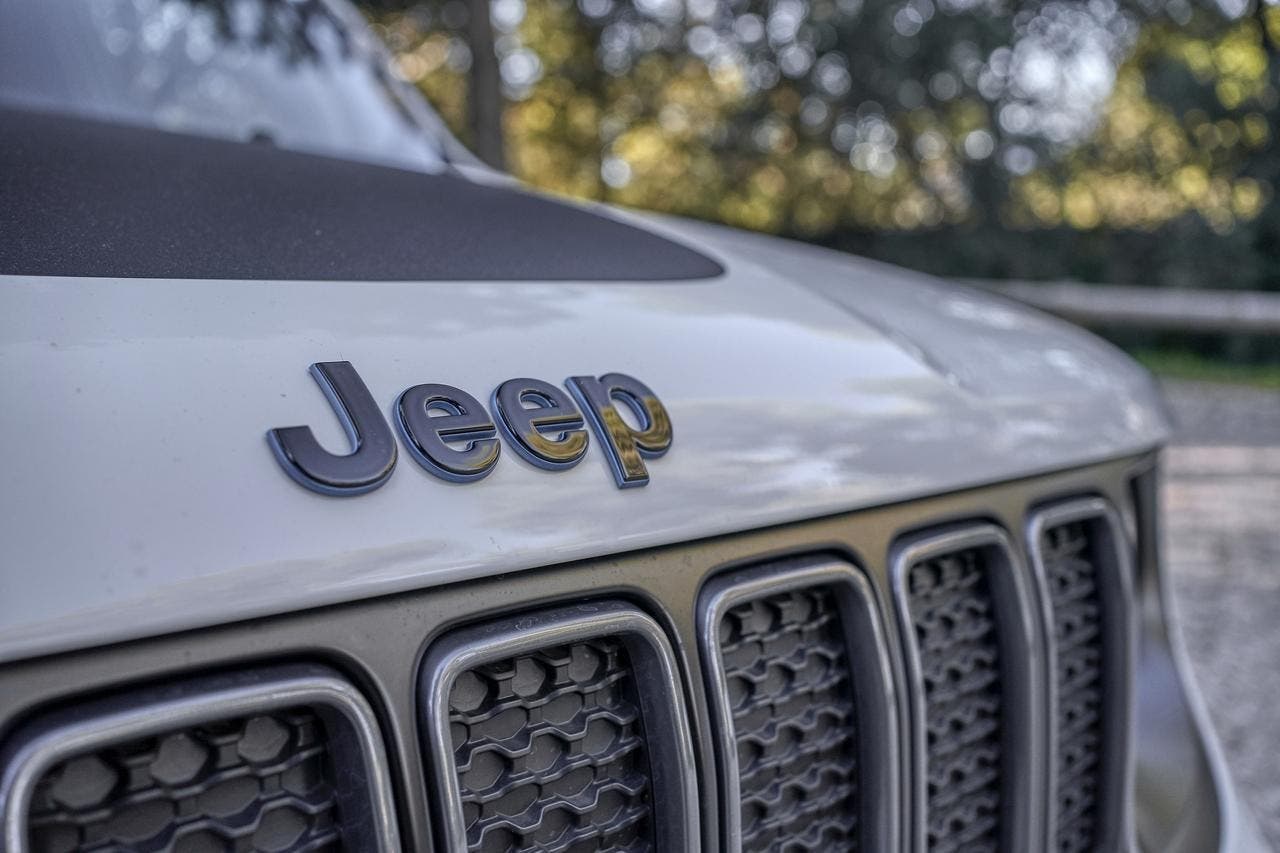
Stellantis is preparing to introduce in Brazil one of the most significant technical updates for the Jeep Renegade since production began at the Goiana plant more than eleven years ago. The compact SUV will receive a new 48-volt flex-fuel mild hybrid system designed to improve overall efficiency without changing the core mechanical architecture.
Stellantis updates Jeep Renegade with 48-volt hybrid system in Brazil

The new technology will pair with the well-known 1.3-liter turbo T270 engine and a six-speed Aisin automatic transmission with torque converter. Compared with the previous 12-volt system used on models such as Fiat Pulse, Fastback and Peugeot 208/2008, the new 48V layout delivers a higher level of mild electrification and brings tangible gains in fuel consumption and power delivery.
The system uses a 0.9 kWh battery located under the driver’s seat and two separate electric machines. The first replaces the alternator and starter motor, while the second assists propulsion by adding torque during acceleration and optimizing overall energy management.
The additional electric module can produce about 28 horsepower and 5.6 kgfm of torque, yet it does not drive the wheels directly as in full hybrid systems. Its main function remains to support the combustion engine during high-demand phases, reduce fuel consumption and improve smoothness.
The 1.3 T270 engine will keep its current output of 176 horsepower and 27.5 kgfm with both gasoline and ethanol. Stellantis has chosen to retain the six-speed Aisin automatic transmission instead of adopting the E-DCT dual-clutch used in Europe, prioritizing long-term reliability and durability.

Alongside the technical update, the Renegade will receive an interior refresh. Exterior styling changes will remain minimal, while the cabin will introduce a more advanced dashboard derived from the Jeep Compass, with improvements in ergonomics and perceived quality.
The 2027 lineup will continue with five versions. Altitude, Longitude and Sahara will feature the new mild hybrid system, Sport T270 will remain combustion-only, and Willys will continue as the only 4×4 configuration paired with a nine-speed automatic transmission.
Prices in Brazil should start at about 118,000 Brazilian real (around $23,600) and reach approximately 190,000 real (about $38,000) for the Willys version, confirming the model’s position among the most relevant compact SUVs in the local market.