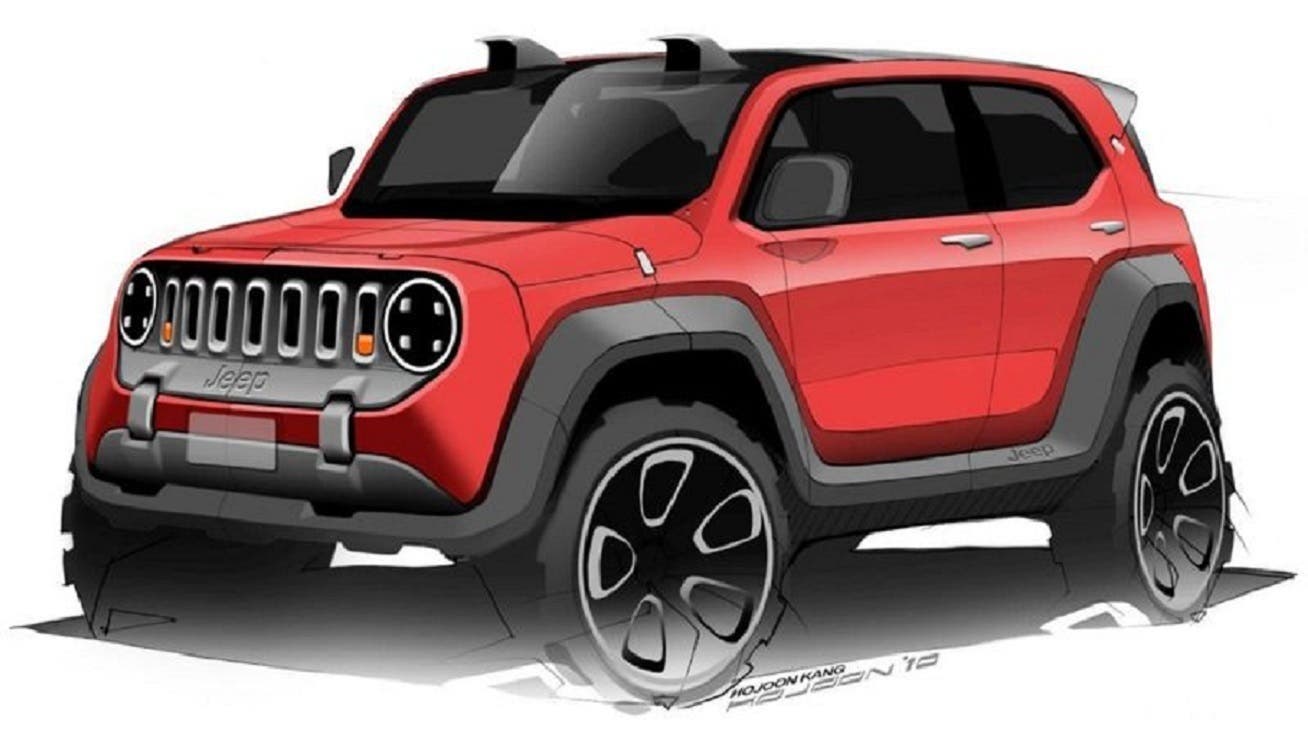
The new Jeep Renegade has been at the center of attention for quite some time, and confirmations continue to arrive. The next generation of the compact SUV will become reality and will enter production in Brazil starting in 2028. Its future in Europe remains uncertain, since the model has already left that market. In South America, however, the Renegade is preparing for a transition phase ahead of the full generational change.
In recent hours, Moparinsiders published new spy images showing a camouflaged prototype of the updated Renegade intended for the Brazilian market. The photos, taken during road testing, clearly reveal the design direction Jeep has chosen for this facelift, which will support the model until the arrival of the next generation.
New Jeep Renegade takes shape ahead of 2028 launch
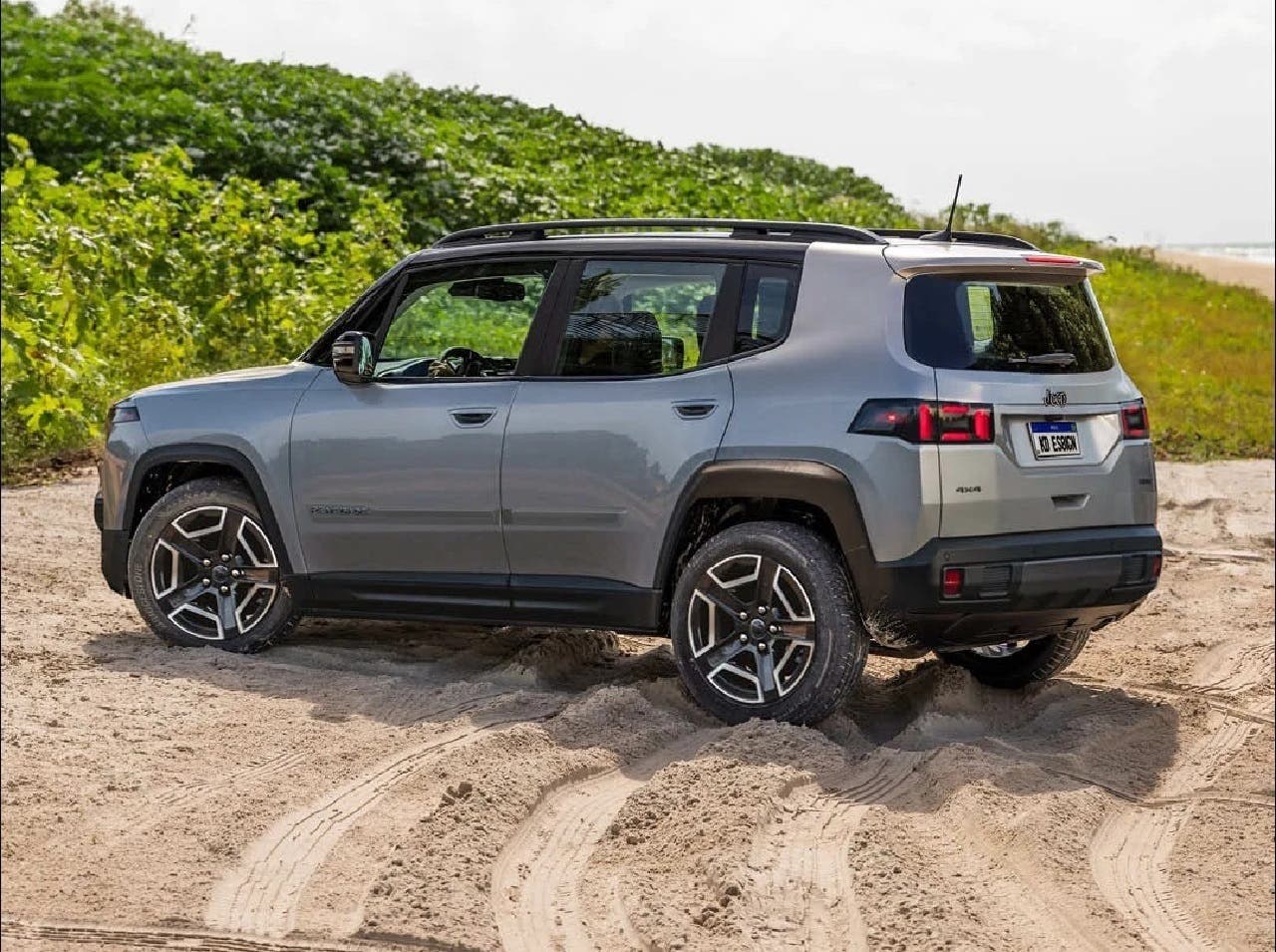
The most noticeable changes appear at the front, where Jeep has revised the design to bring the Renegade closer to the brand’s latest styling language. The influence of the new Compass stands out, especially in the grille, which keeps the classic seven-slot layout but adopts a cleaner and more modern look. Jeep has also updated the daytime running lights, introducing a new four-segment LED signature that gives the SUV a more contemporary appearance.
Further updates appear in the lower front section, where redesigned air intakes and horizontal elements add visual presence. Along the sides, changes remain more subtle and mainly involve new wheel designs depending on the trim level. At the rear, camouflage still covers part of the bodywork, but a more horizontal taillight layout and a slightly revised bumper already emerge, without radical changes.
The cabin will also receive targeted updates. According to early reports, Jeep will redesign the dashboard using cues from the Compass, adding more modern materials and an updated infotainment system to improve the Renegade’s competitiveness in the compact SUV segment.

The most important update concerns the powertrain. Starting in 2026, the Renegade for the Brazilian market will adopt a new 48-volt mild-hybrid system as part of Stellantis’ Bio-Hybrid strategy. This solution aims to cut fuel consumption and emissions without moving to full hybridization. The system uses two electric motors: one replaces the alternator and starter motor, while the other supports the drivetrain with around 28 additional horsepower. A small 0.9 kWh battery mounted under the seat stores the energy, and a six-speed Aisin automatic transmission handles power delivery.
Until the arrival of the next generation in 2028, this facelift will play a key role in keeping the Renegade competitive in South America, aligning it with Jeep’s latest design language and technical direction.