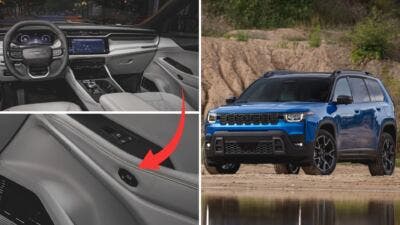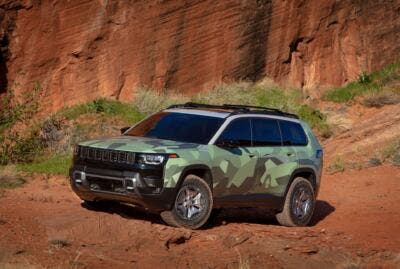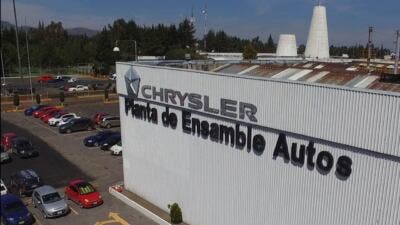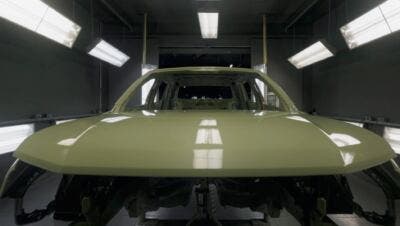
The first Jeep Avenger prototypes have started moving through the production lines at the Porto Real Industrial Hub in the state of Rio de Janeiro, marking the beginning of the testing phase that will lead up to future series production of the model in Brazil. This is the first Jeep vehicle set to be assembled at this plant, a step that carries major strategic value for Stellantis both because it strengthens the site’s production capacity, as the facility celebrates the twenty-fifth anniversary of its founding this year, and because it expands the American brand’s lineup in one of the most important South American markets.
Jeep Avenger prototypes begin rolling through the production lines in Brazil
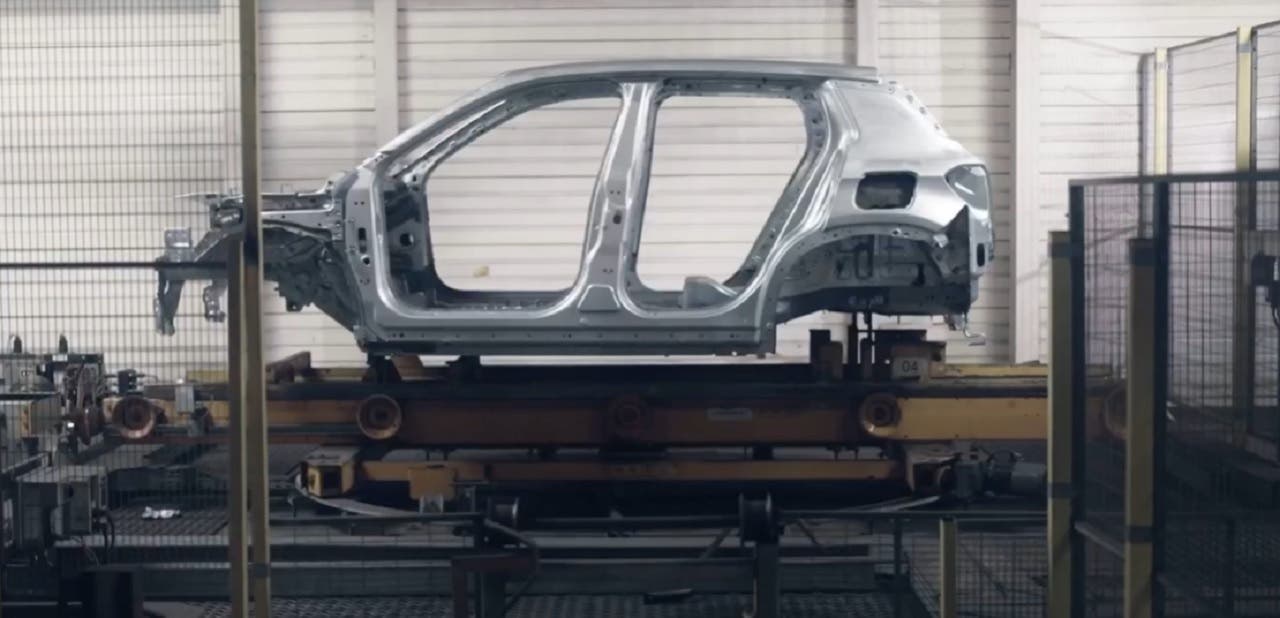
The Porto Real plant has an advanced industrial structure with a highly automated production process that relies on more than 300 robots and an evolved quality-control system. Even so, before mass production can begin, the company still needs to complete the long calibration work that always comes with introducing a new model into a factory. Building the first prototype units serves exactly that purpose. Stellantis uses them to verify every part of the process, from robot synchronization and line timing to electronic measurements and precision checks. This validation phase represents an essential step in making sure the model can enter series production while meeting the required quality standards.
The arrival of the Avenger in Brazil responds to the need to strengthen Jeep’s presence in the B-SUV segment, one of the fastest-growing parts of the local market, where the brand wants to reach a broader customer base than the one it has served so far with larger vehicles. The Avenger has already established itself internationally, especially in Europe, where it has posted meaningful commercial results. In Brazil, the model should bring a more compact and more technology-focused proposal to Jeep’s lineup, one capable of meeting the needs of buyers looking for an urban SUV while still remaining attached to the off-road identity associated with the brand.
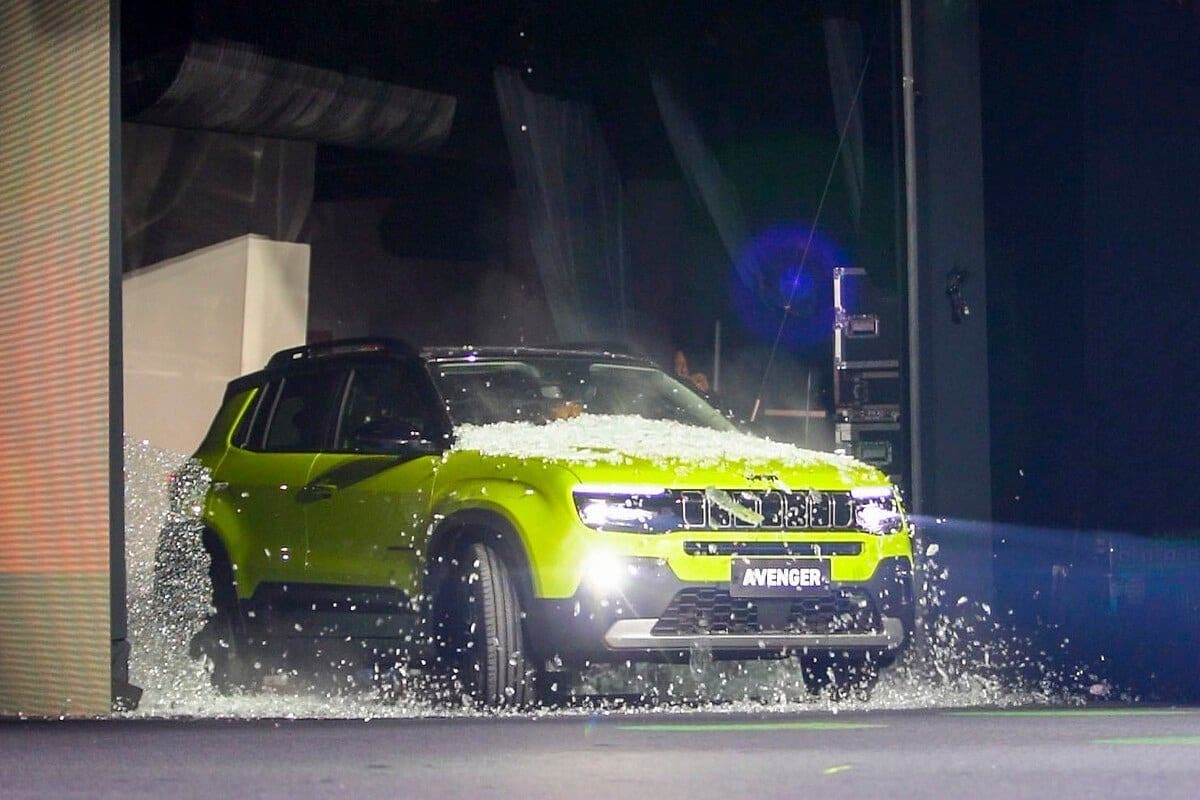
According to Stellantis management in South America, the model will also help create a more direct link between Jeep’s offering and the mobility habits of Brazilian customers, fitting into a year the brand considers especially important for its regional expansion. With the production testing phase now under way, the project is moving into an operational stage that points to increasingly defined timing for the start of full series production.