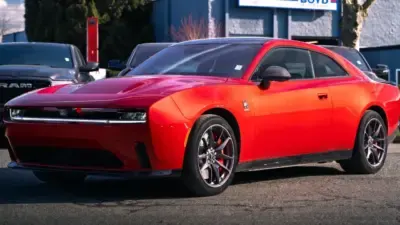
Fifty thousand dollars, evaporated in twelve months on a car that originally cost eighty-five grand. It’s the cold, hard autopsy of a 2024 Dodge Charger Daytona Scat Pack, documented by Edmunds. They bought the car, lived with it for a year and 7,000 miles, and then watched in horror as the market offered them a measly $35,000 to take it away. That is a 59% depreciation rate in a single year.
To put that in perspective, the average EV usually takes five years to lose that much skin. Dodge managed to speed-run the process in twelve months. A “world record” Stellantis likely won’t be highlighting in their next shareholder meeting.
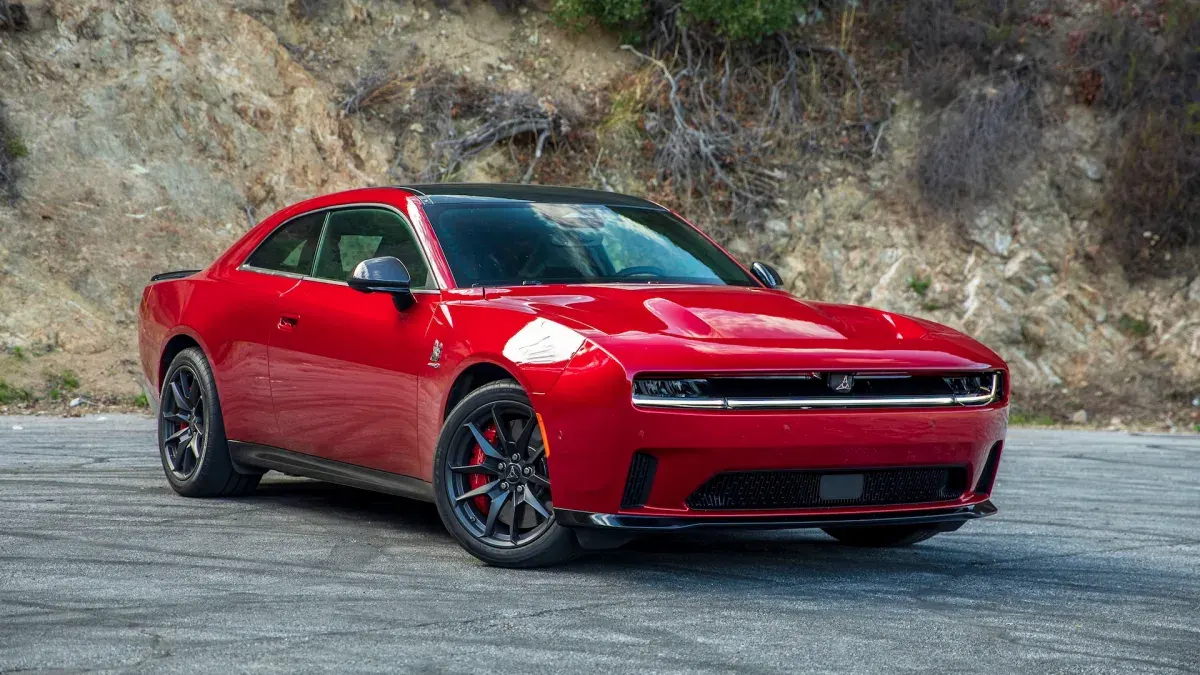
This catastrophic collapse isn’t some market anomaly. The Edmunds test drivers filled their logbooks with a collection of adjectives: “disappointment,” “frustration,” and “hate”. These are devastating words for an $85,000 flagship muscle car.
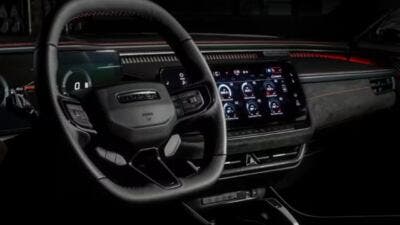
The list of grievances reads like a medical chart for a patient with multiple organ failure. The infotainment screen freezes with the regularity of a mid-winter blizzard. The backup camera functions on a “whenever I feel like it” basis. The radio changes stations autonomously while the climate control system groans in protest. Even the 12-volt battery, a piece of technology we supposedly mastered a century ago, gave up the ghost prematurely.
Then there are the mechanical “charms”. The electric motors emit a distinct thud upon every start, and the turning radius has been officially labeled as “problematic.” But the real nightmare is the unintended acceleration episodes, which Dodge hand-waves away as a function of “Drive by Brake”.
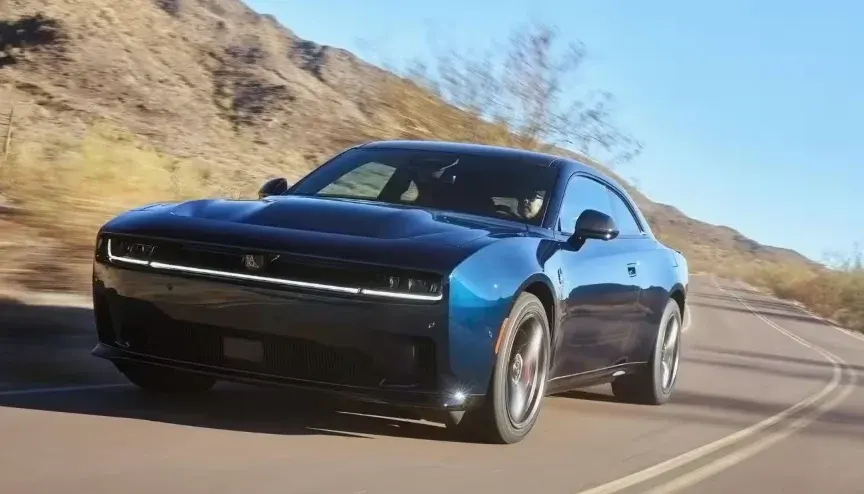
The ultimate tragedy, however, is the identity crisis. A Charger that bores its driver is a contradiction in terms. This car exists in a pathetic no-man’s-land: it isn’t “EV” enough to impress the tech-bros, and it isn’t “Dodge” enough to satisfy the V8-loving Mopar faithful.
Edmunds’ final verdict was a brutal parting shot: “We won’t miss this car in our fleet”. For a major automotive outlet to express palpable relief at getting rid of a car is a signal Stellantis cannot afford to ignore.