

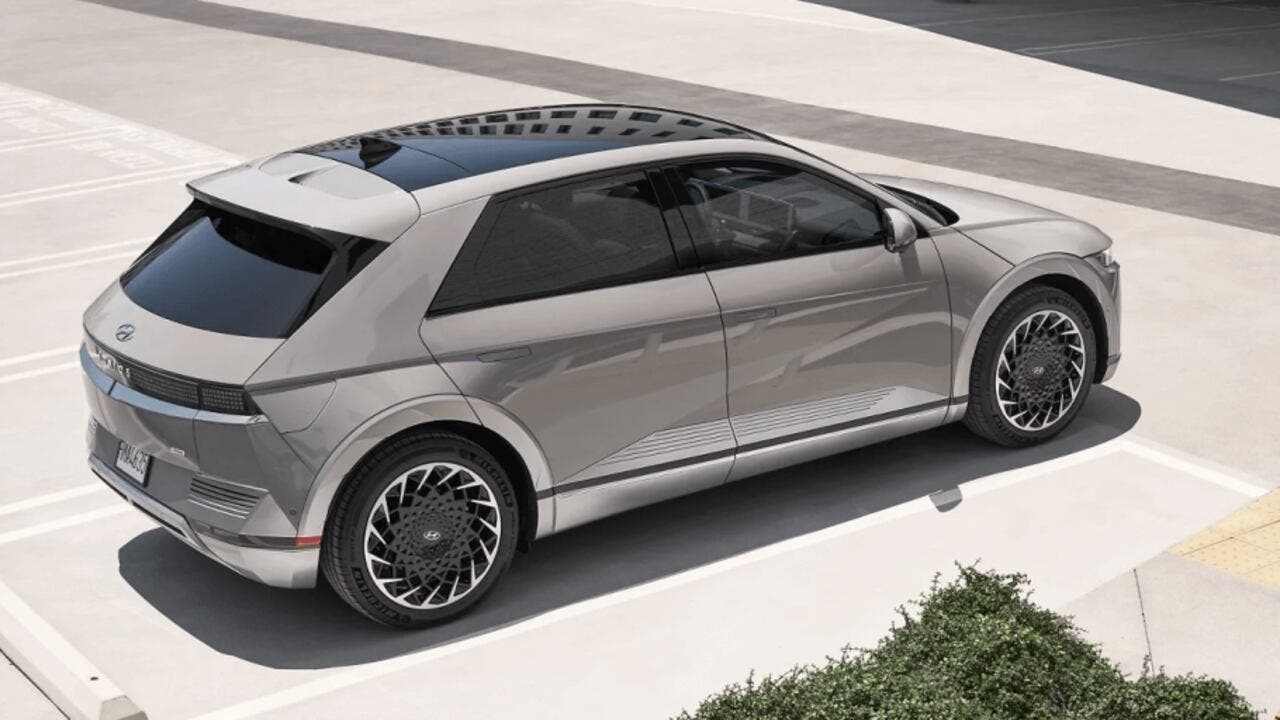
Statistically, electric vehicles are far less likely to spontaneously combust than their internal combustion dinosaurs. But lithium-ion fires are a different beast entirely: demanding thousands of gallons of water, specialized tools, and a prayer to extinguish. Thus, even a laughably tiny recall is treated with the gravity of a geopolitical crisis. Enter Hyundai and Kia, currently sweating bullets over a grand total of fourteen vehicles in the United States.
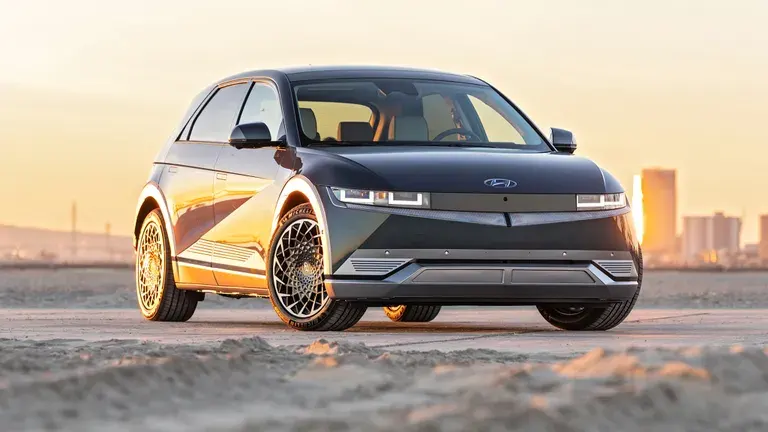
This microscopic emergency targets six Hyundai Ioniq 5s from the 2023–2024 model years, seven Kia EV6s built between 2022 and 2024, and one solitary, incredibly unlucky 2024 Kia EV9. The culprit behind this potential fireworks display is supplier SK On, which apparently struggled with basic alignment.
According to NHTSA documents, some battery cells were manufactured with misaligned electrodes. In layman’s terms, a tiny manufacturing slip-up can trigger an internal short circuit, transforming a high-tech battery pack into a very expensive, very hot mobile campfire.
Hyundai only started sniffing around after hearing rumors of battery meltdowns in unnamed competitor vehicles using the same SK On designs. Naturally, they combed through their quality control files and isolated the six suspect Ioniq 5s before they could make the local evening news. Thankfully, no actual fires, crashes, or barbecue incidents have been reported in the US yet.
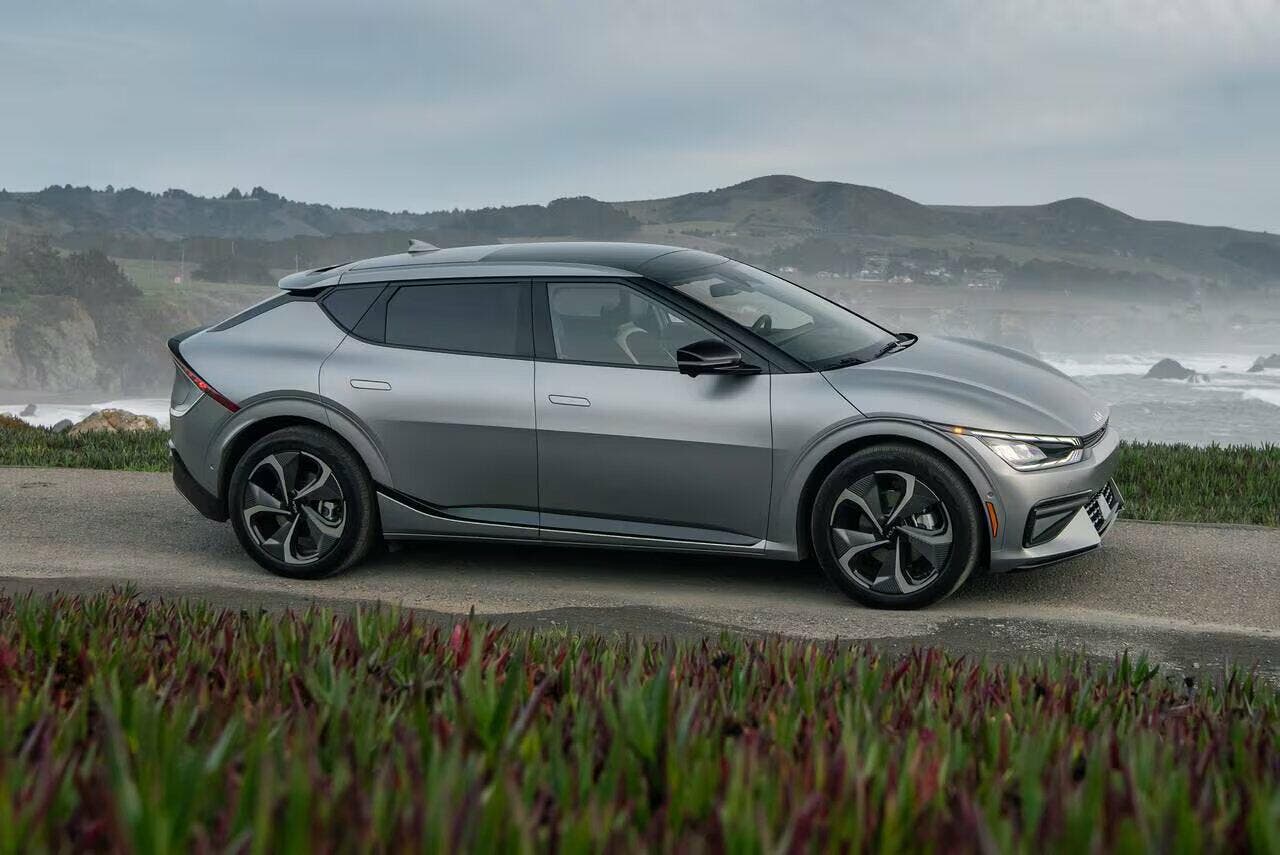
If you happen to be one of these fourteen chosen ones, the survival guide differs depending on your badge. Hyundai generously offers a “pre-game show”: owners might notice physical smoke, strange burning odors, or warning lights on the dashboard. Kia owners, however, enjoy no such luxury; safety regulators warn they might get absolutely zero heads-up before the heat turns up.
Fortunately, both manufacturers are footing the bill to swap out the entire high-voltage battery pack for free, a massive financial relief given that EV batteries cost more than a kidney on the black market. In the meantime, the corporate advice is delightfully reassuring: keep your state of charge below eighty percent and park your future-forward machine outside.