

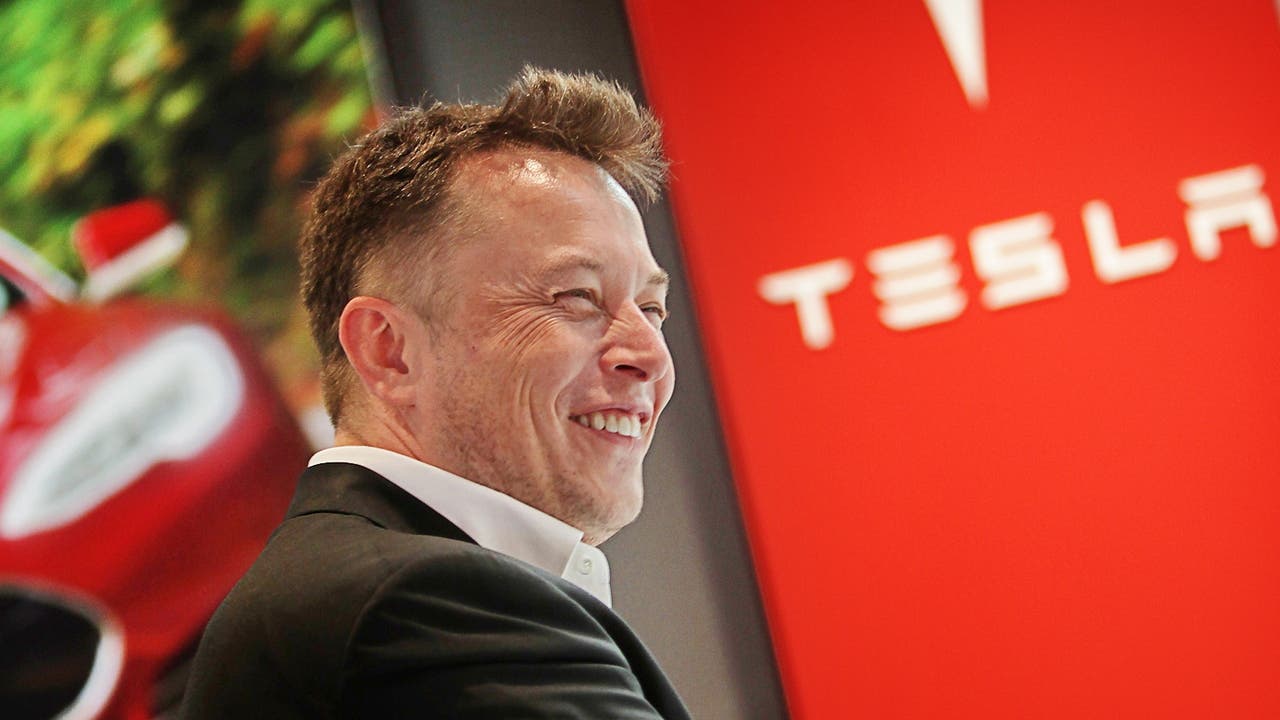
Elon Musk has always been a master of the “look over there” strategy. While he’s busy firing stainless steel wedges into the orbit of our collective consciousness, his accounting department has been performing a masterclass in financial teleportation. According to a scathing new report by Reuters, Tesla has been utilizing offshore entities to trim its U.S. tax bill by at least $400 million. A move that adds a layer of thick, greasy irony to Musk’s public persona as the anti-establishment rebel.
The mechanics of this fiscal Autopilot are as complex as a Plaid drivetrain but far less transparent. Tesla reportedly funneled a staggering $18 billion in profits through subsidiaries in the Netherlands and Singapore. This is a systematic rerouting of wealth.
The strategy hinges on the “sin” of modern corporate finance: shifting intellectual property rights to low-tax jurisdictions. Specifically, an entity known as Tesla Motors Singapore Holdings allegedly moved billions through a Dutch shell called TM International. The punchline? TM International appears to have zero employees. It’s a ghost in the machine, a digital phantom designed to hold cash while the actual engineers in Fremont and Austin do the heavy lifting.
This financial gymnastics routine culminated in a 2025 federal income tax bill of exactly zero dollars. While federal incentives for renewable energy and previous losses played a part, tax experts point to profit-shifting as the silent turbocharger behind this result. It’s a bitter pill to swallow when you consider Musk’s 2024 campaign trail rhetoric, where he dismissed such loopholes as “shady” and beneath his moral pay grade.
However, the 2025 financial statements suggest a sudden, unexplained pivot. Tesla reported that over 90% of its global profits were realized within the U.S. last year, a massive spike from previous trends. Whether this is a genuine homecoming or a strategic retreat from scrutiny remains to be seen.
In the world of Tesla, the identity of the brand is constantly at a crossroads. Is it a mission-driven pioneer of the green transition, or just another multinational? For a brand that prides itself on being the future, these old-school accounting tricks feel like a step back into the smog-filled past of corporate cynicism.