Remember when the automotive industry was driven by identity and heritage? Stellantis probably doesn’t. The transatlantic automotive conglomerate is seriously looking into transforming its North American footprint into a Trojan horse for cheap Chinese electric vehicles.
Stellantis CEO Antonio Filosa recently dropped a subtle bombshell at the company’s North American headquarters near Detroit, admitting that the giant sees a definitive future for expanding the production and sales of Leapmotor-branded vehicles into Mexico and Canada.
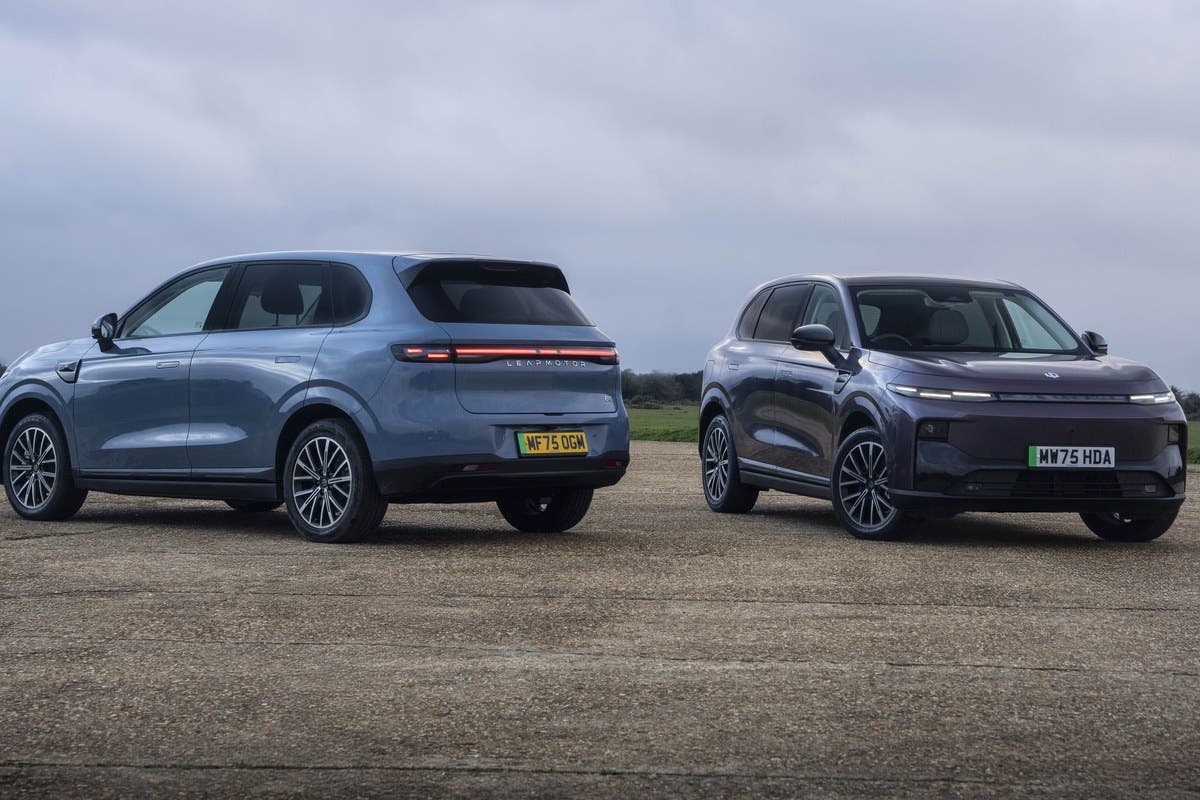
Don’t expect to see these budget-friendly compliance cars rolling down USA anytime soon. Filosa dryly noted that the current American political climate offers “no space” for such cross-border experiments, effectively telling US consumers to keep dreaming about affordable electrification.
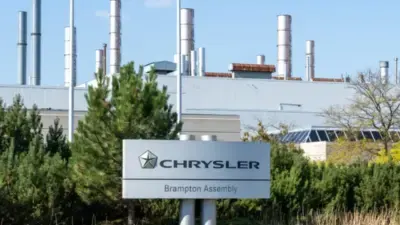
In Toronto, the Brampton Assembly Plant has been sitting entirely idle since late 2023, mourning the death of the previous-generation gas-guzzling Dodge Charger and Challenger, while the new Charger migrated to Windsor. The very birthplace of tire-shredding American muscle could soon become the delivery room for the Leapmotor B10, a sensible, compact electric crossover powered by a modest 67.1-kilowatt-hour battery pack.
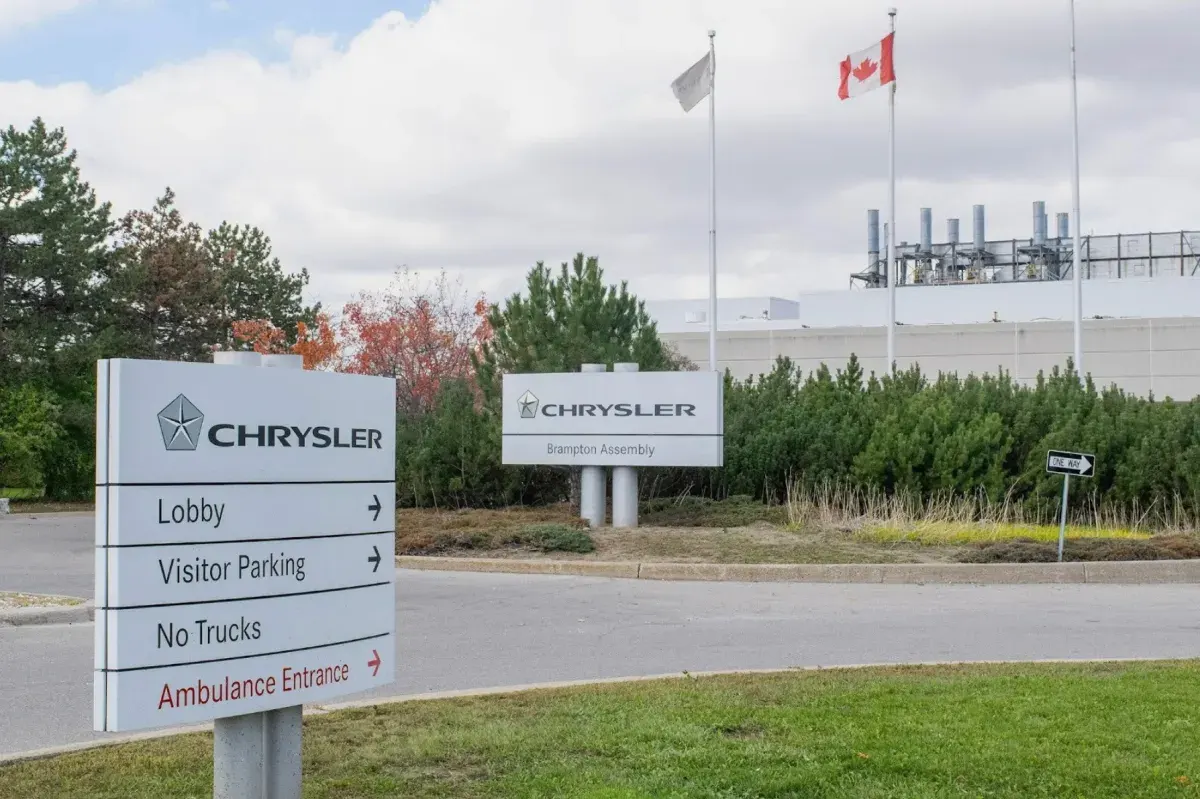
Corporate math beats nostalgia. Reopening the Brampton facility would give Stellantis an immediate upper hand in the region, allowing it to bypass heavy protectionist barriers by assembling Chinese-branded EVs locally instead of shipping them across the Pacific. Canada has already opened its gates to Chinese-made imports, capping the influx at 49,000 vehicles per year under a laughably low 6.1% tariff rate, making local assembly a goldmine.
Stellantis is already using its Spanish factories to churn out Leapmotors for European budget-hunters and is actively flirting with Dongfeng to assemble high-end Voyah models in France. When it comes to striking deals with foreign entities, Antonio Filosa’s empire behaves like a hyperactive corporate speed-dater. To top it all off, they just signed a memorandum of understanding with Jaguar Land Rover to explore collaboration in the United States.
Clearly, if you cannot build a sustainable, self-sufficient EV strategy on your own, the next best thing is to borrow everyone else’s homework and slap your own badge on the cover.