

Stellantis CEO Antonio Filosa loves a bargain, and he just secured the ultimate automotive Groupon. The group and Dongfeng have resurrected their Wuhan joint venture with a €1 billion investment to produce four “New Energy Vehicles” (NEVs) by 2027. The kicker? Stellantis is only chipping in a modest €130 million. That means Dongfeng is doing the heavy financial lifting while Peugeot and Jeep get to slap their historic badges on Chinese-engineered platforms destined for global export.
For Jeep, this announcement marks its third attempt at Chinese domestic bliss, a corporate romance more turbulent than a soap opera. Back in the 1980s, Beijing Jeep pioneered Western capitalism in China. Then came the Daimler-Chrysler merger, the Cerberus private equity disaster, a Chapter 11 bankruptcy, and a rescue by Fiat. Fast forward to 2022, and Stellantis abruptly ended its joint venture with GAC after years of financial bleeding, relegated Jeep to an import-only brand, and blamed local political interference.
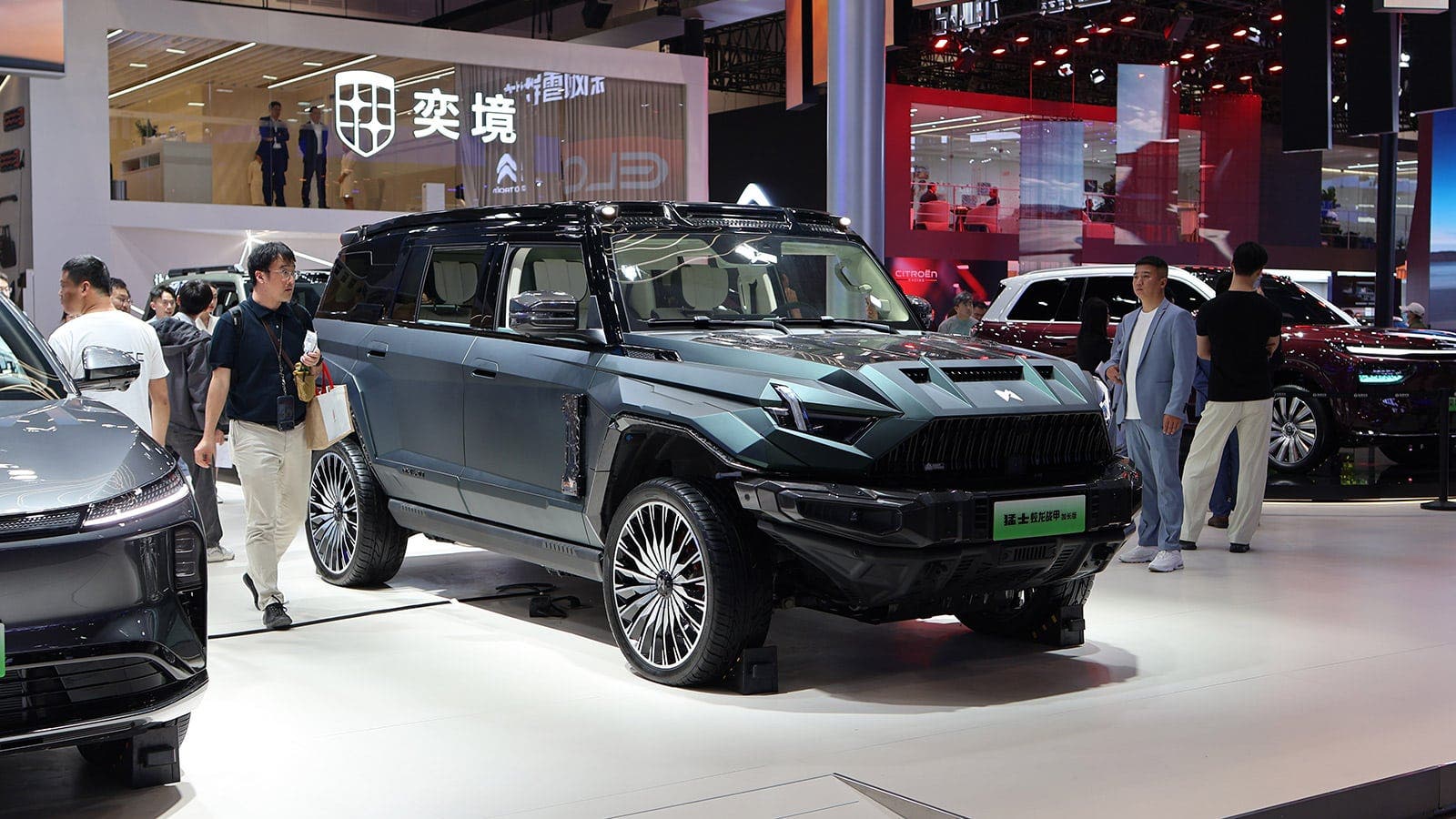
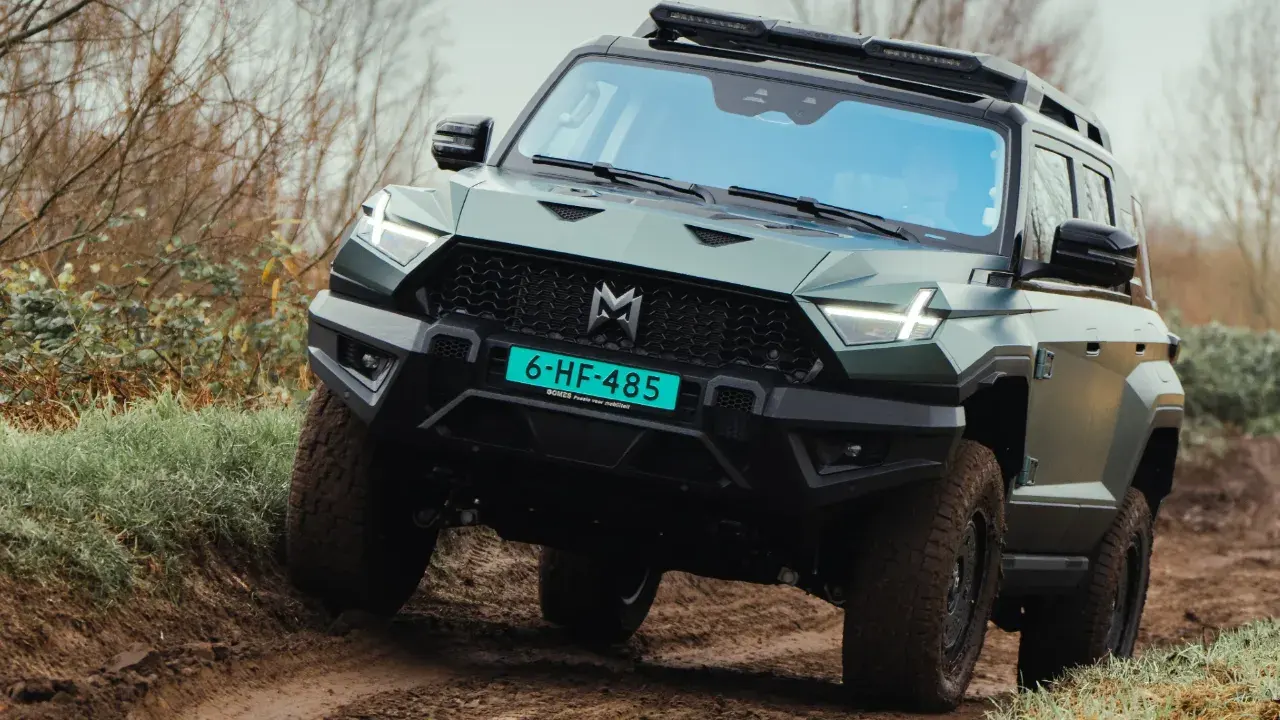
Showrooms in markets like Australia have become absolute ghost towns. After axing the Cherokee and killing right-hand-drive production of the Grand Cherokee, Jeep’s lineup has crumbled, resulting in a disastrous 31.5% sales drop last year. Wuhan’s assignment includes two “alternative energy” off-roaders to save Jeep from its self-inflicted product drought. Whether these will be genuine Trail-Rated rigs or merely rebranded Chinese crossovers remains a mystery.
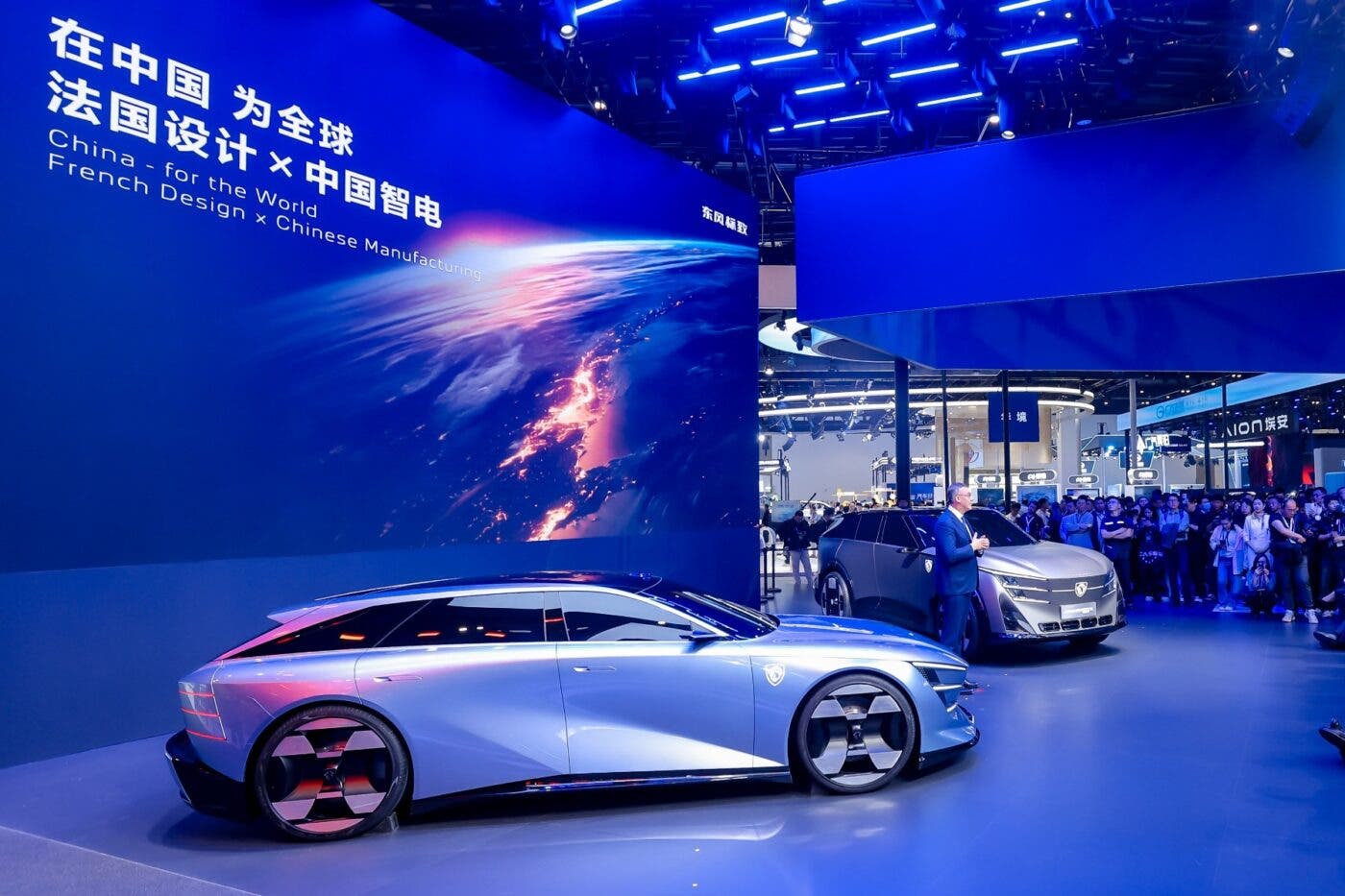
Meanwhile, Peugeot is getting two large SUVs based on the Concept 6 and Concept 8 models showcased at the Beijing Auto Show. Positioned above the current 4.79-meter 5008, these French-badged behemoths will target upscale global segments using China’s plug-in hybrid (PHEV) and extended-range electric vehicle (EREV) technology.
Stellantis is hardly alone in this strategic surrender. Mazda, Hyundai, and Ford are already outsourcing their engineering to Chinese partners. But as Stellantis hyper-focuses on its four global pillars, Peugeot, Fiat, Jeep, and Ram, the irony is delicious: the future of these legendary Western brands runs directly through Wuhan.