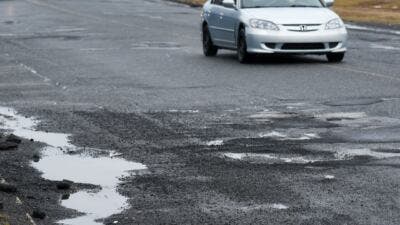
American roads often look less like modern infrastructure and more like a lunar landscape after a heavy bombardment. Many people spent decades swearing at potholes that could swallow a subcompact whole, while local departments of transportation seem to play a never-ending game of “hide and seek” with maintenance. Well, Honda has decided that if the government can’t see the cracks, your car certainly can.
Honda and the Ohio Department of Transportation (ODOT) just wrapped up a pilot program that proves our cars are officially more observant than the people collecting our gas taxes.
Using the existing ADAS (Advanced Driver Assistance System) hardware, those cameras and LiDAR sensors usually busy keeping you from drifting into the next lane, Honda monitored roughly 3,000 miles of road across Central and Southeastern Ohio.
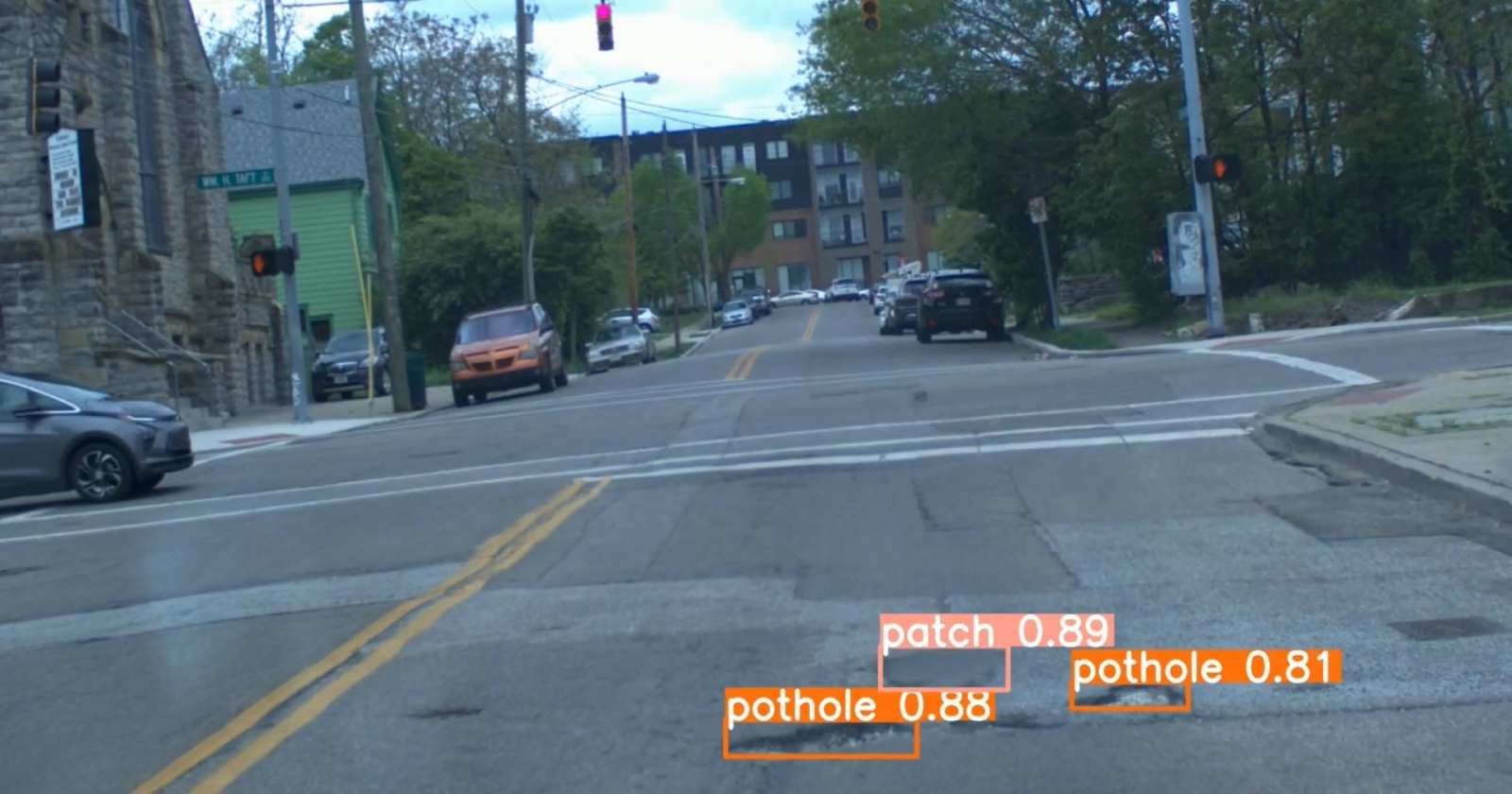
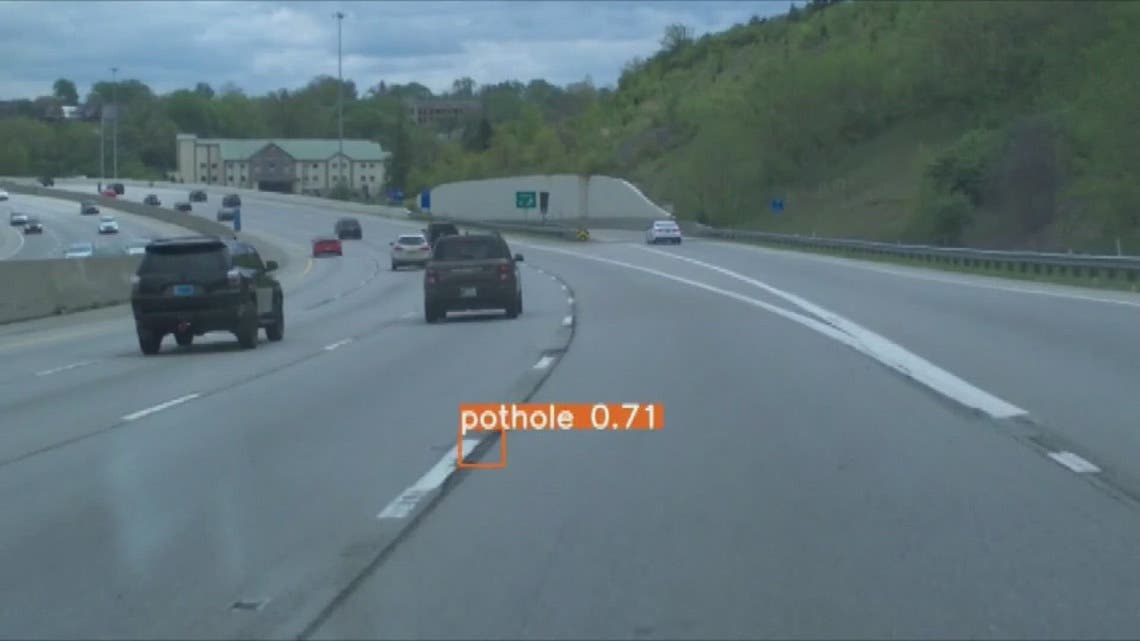
The result? A “proactive road maintenance” prototype that sniffs out road rot with the clinical precision of a Swiss watch. We’re talking about a system that identified damaged guardrails with a staggering 93% accuracy and pinpointed potholes at an 89% clip.
Once the car’s “eyes” catch a defect, the AI processes the data and beams it straight to ODOT’s dashboard. No more waiting for a disgruntled citizen to call a hotline three weeks after blowing a tire. The system automatically generates work orders, ranking them by severity. It’s efficient, it’s cold, and it’s arguably the most productive thing to happen to road work in years. Honda estimates that if this were rolled out full-scale, it could save ODOT over $4.5 million annually.
The project pulled in heavy hitters like DriveOhio, i-Probe Inc., Parsons, and the University of Cincinnati. It’s a collective effort to realize what Brian Bautsch, Director of Safety Strategy at American Honda, calls the “zero-fatality” goal. He’s right, safety isn’t just about better brakes; it’s about making sure the ground beneath those brakes isn’t crumbling.
Honda is already talking to other states to expand this digital snitching network. So, the next time you hit a bump, don’t just curse, just know your car might have already filed the paperwork to fix it.