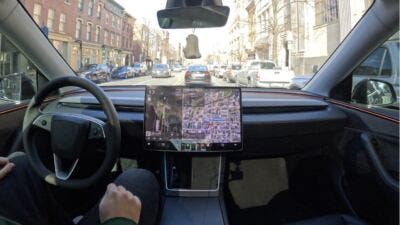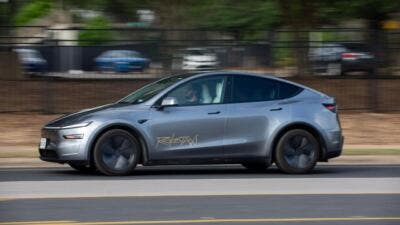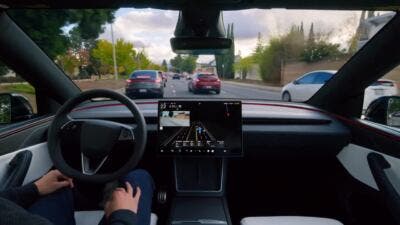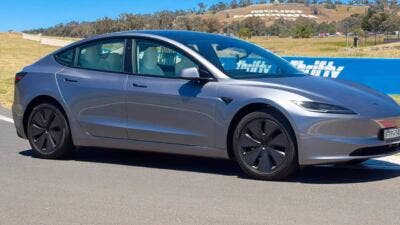
We’ve been bombarded for years with the terrifying narrative that buying a high-mileage, secondhand electric vehicle is a financial death sentence. Then comes a guy named Austin Ammarell, who logs onto the Facebook group Mileage Impossible to casually drop a spreadsheet that turns traditional automotive depreciation wisdom entirely on its head. Austin bought a used Tesla Model 3 for a modest $17,000.
By the time he was done tracking his journey, he had piled an additional 117,000 miles onto the odometer, pushing the car’s grand lifetime total to a staggering 217,681 miles. When he finally crunched the operating numbers against his previous internal combustion life, he didn’t just find standard savings. He hit a psychological jackpot.
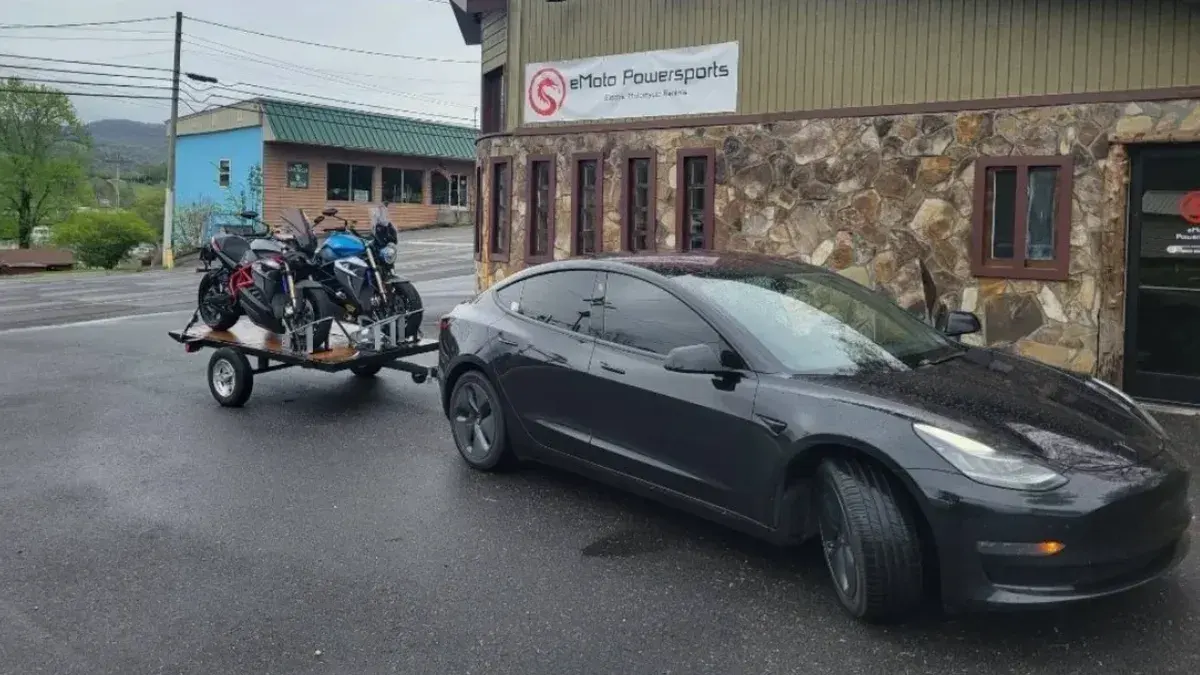
The granular breakdown of Austin’s high-mileage experiment reads like a manifesto against the traditional gas-guzzler. Over those 117,000 miles, depreciation amounted to just $7,000, which distills down to roughly 6 cents per mile. Tires added another 1.2 cents per mile, anchored by a $1,200 installation bill, while actual mechanical repairs hovered at an almost invisible 0.3 cents per mile. All in, Austin estimated his total operating cost at about 10 cents per mile.
Austin realized that swapping the truck bed for a battery pack saved him a grand total of $20,706 in fuel alone. It doesn’t take an MIT mathematics professor to realize that saving $20,706 on fuel means the $17,000 car literally paid for itself and then handed him a cash bonus.
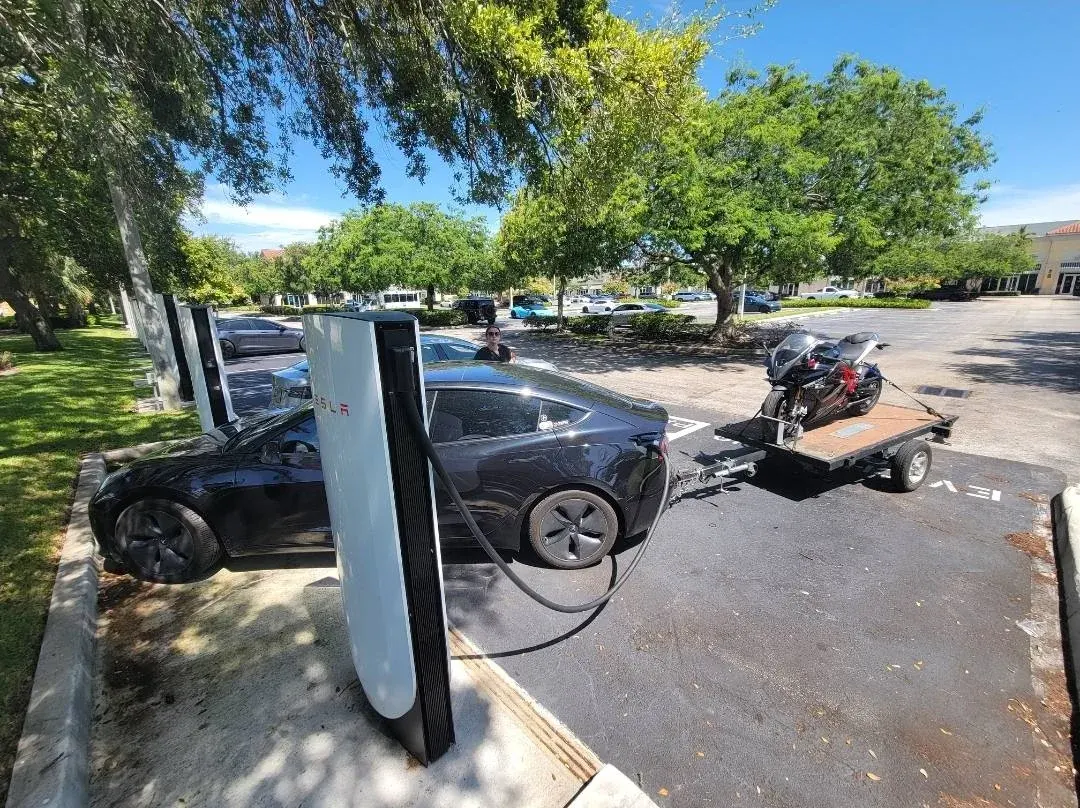
Of course, Austin isn’t a lone anomaly in this high-voltage landscape. He is part of an increasingly vocal subculture of extreme hyper-milers. Anecdotal data and comprehensive industry cost studies continue to support these massive operational disparities, pointing to other extreme cases like a Canadian driver who pushed a 2019 Model 3 past the 380,000-mile mark despite an inevitable hit to the battery’s maximum range.
Naturally, skeptics will argue whether this “EV advantage” is starting to fade as utility rates fluctuate and public infrastructure gets crowded. But let’s face the cold, hard macroeconomic truth: nobody switches to an electric vehicle for the sheer environmental altruism anymore; they do it because they want to keep their money in their pockets.