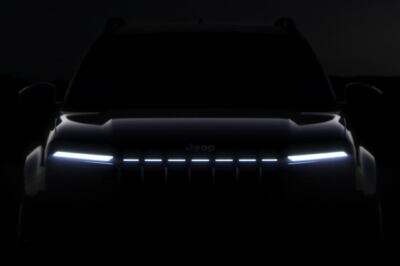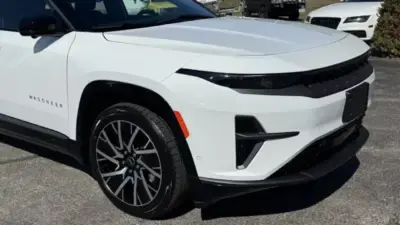
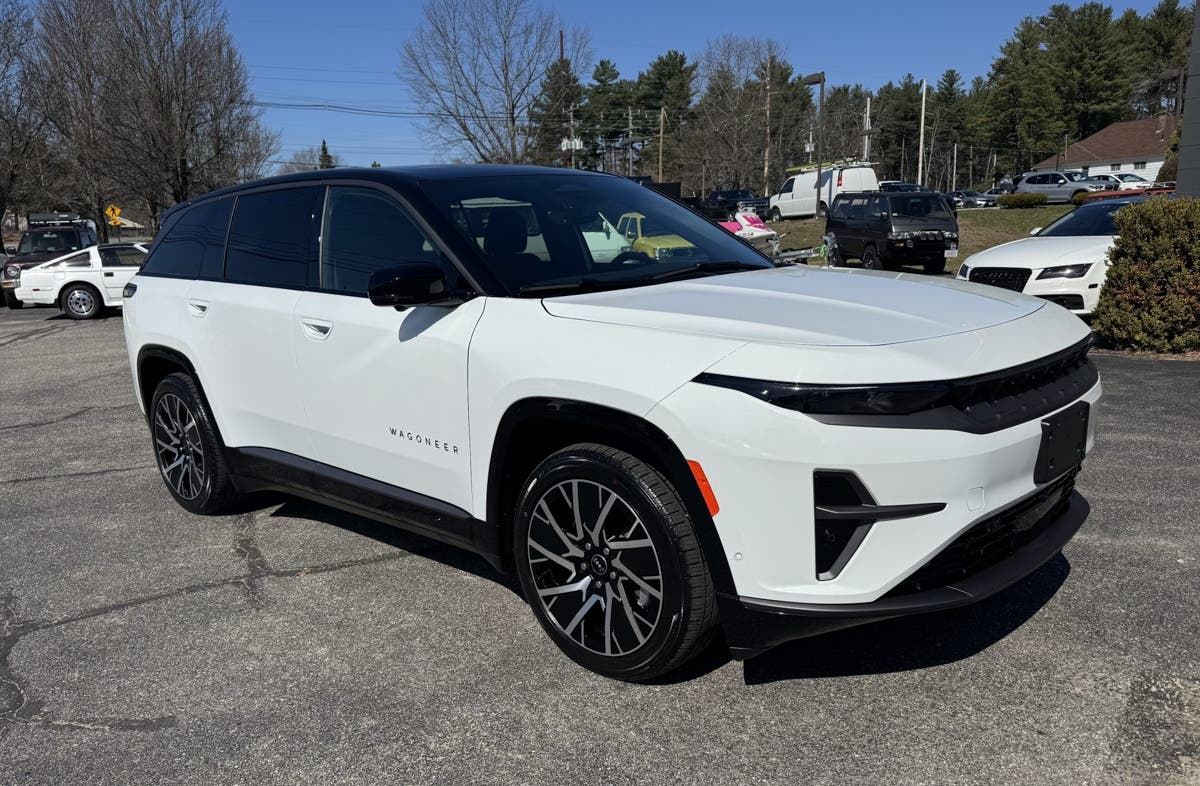
In the world of the Jeep Wagoneer S, about thirty thousand dollars is simply the price of driving 91 miles. A virtually untouched Wagoneer S Limited 4xe recently crossed the virtual auction block at Bring a Trailer, and the hammer fell at a measly $38,500. For those keeping score at home, the original sticker price was $67,195. That is a financial bloodbath.
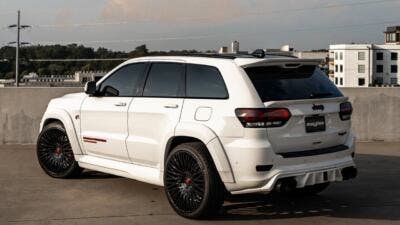
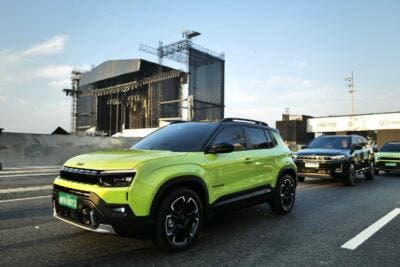
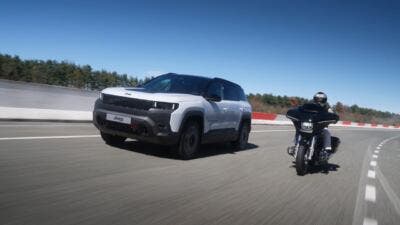
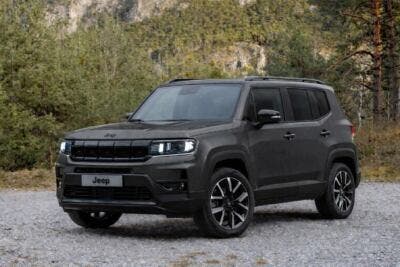
On paper, the Wagoneer S is everything the modern, eco-conscious suburbanite is supposed to crave. It’s a white-on-black SUV with the Dark Appearance package, looking every bit the premium conqueror of grocery store parking lots. It packs a dual-motor setup delivering a monstrous 500 HP and 710 Nm of torque. It even boasts a 100 kWh battery and enough screens to make a Best Buy employee jealous. But apparently, all those heated seats, Alpine speakers, and panoramic glass weren’t enough to stop the value from evaporating very quickly.
The problem isn’t necessarily the car. It’s the reality of a market that has decided to wake up from its electric fever dream with a massive hangover. Between the evaporation of the $7,500 federal tax credit and an infrastructure that remains more “thought experiment” than “reliable network”, the American premium EV segment has hit a wall. Jeep’s sales figures tell the story of a horror movie. After moving 10,000 units in three quarters, deliveries plummeted to a pathetic 613 in the following two.
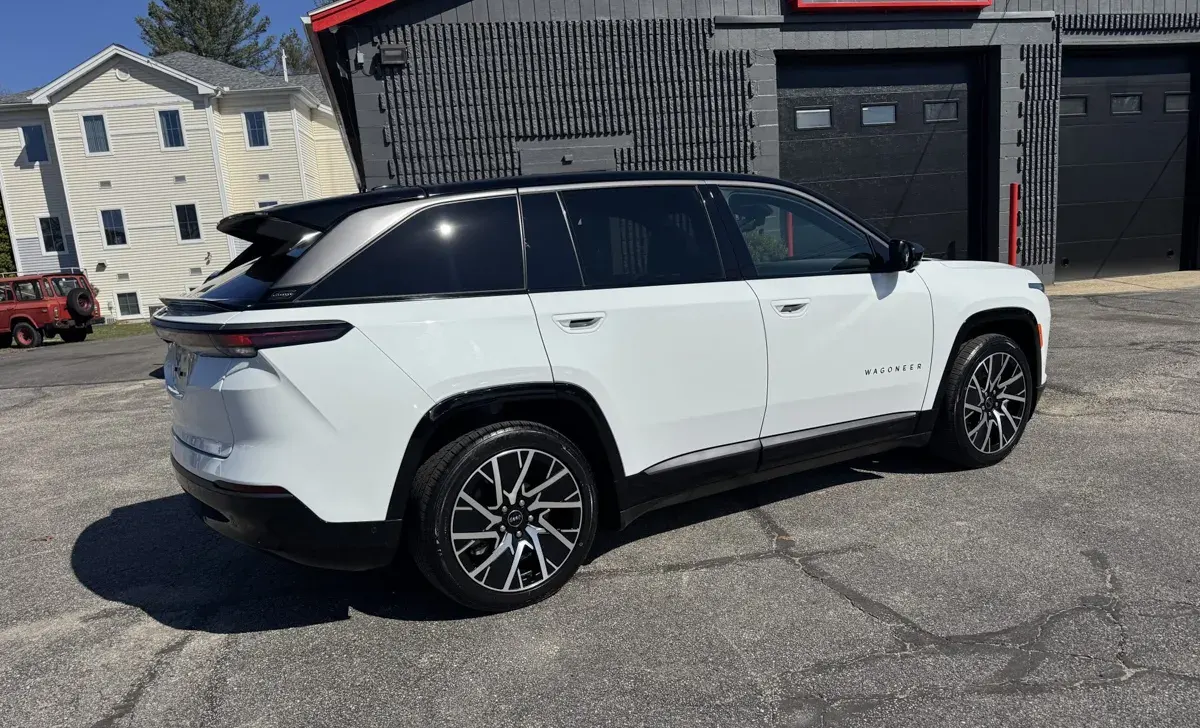
Jeep’s response? They are officially skipping the 2026 model year for the Wagoneer S, hoping that by 2027, a NACS charging port and some software tweaks will make everyone forget this era of massive losses.
In the meantime, some lucky (or brave) soul just picked up a 500-hp powerhouse for the price of a well-equipped Honda Civic. It’s a hell of a bargain on the used market, but for Jeep and its early adopters, it’s a sobering reminder that in the EV gold rush, most people are just getting left with the dirt.