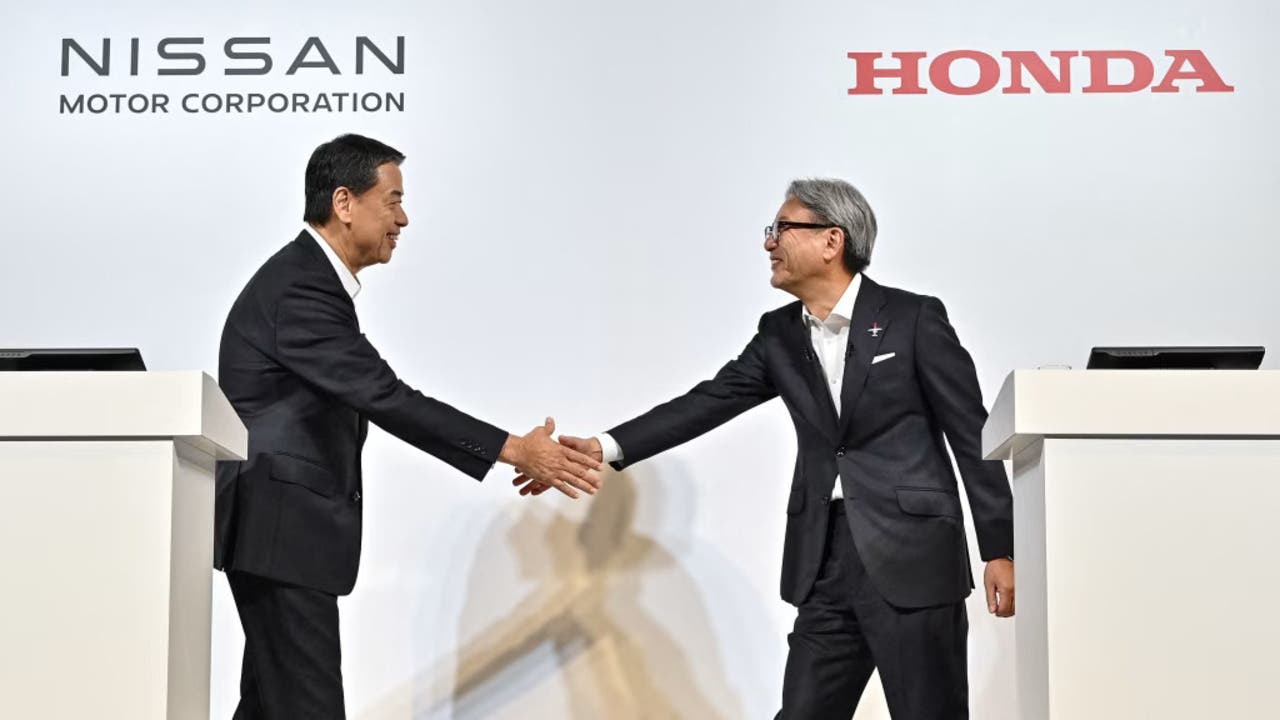
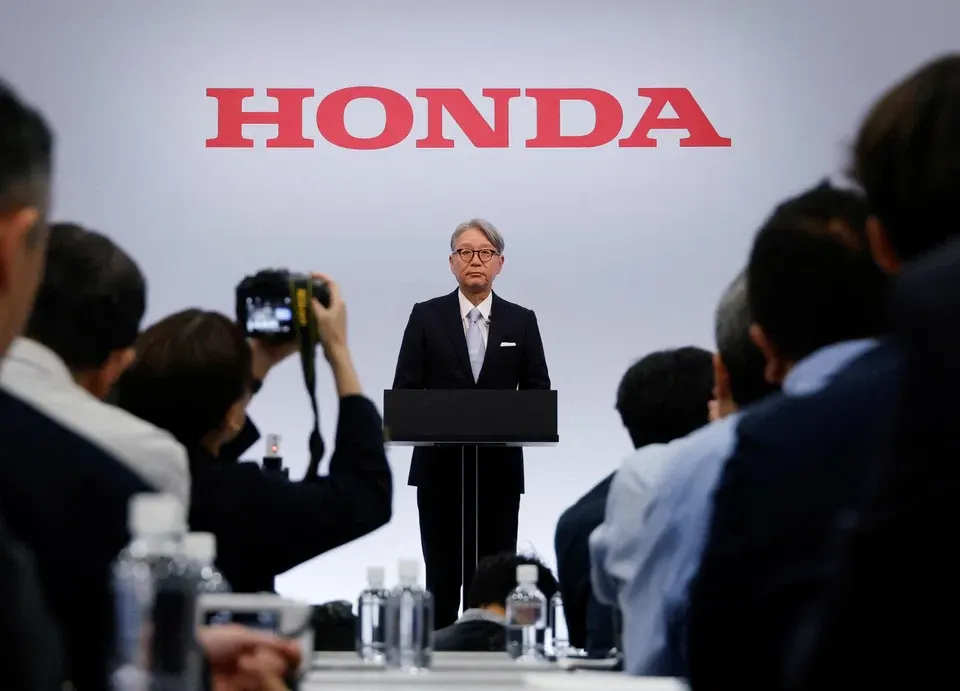
At last week’s annual shareholders meeting in Japan, Honda CEO Toshihiro Mibe dropped a subtle hint that carried far more weight than any polished PR press release. Mibe casually mentioned that partnership negotiations with Nissan are “quite advanced, with some aspects close to an announcement”.
It was a masterclass in corporate damage control, delivered precisely when throwing a bone to restless investors wasn’t just a choice. After all, Honda had just wrapped up its fiscal year in March by bleeding out a massive 423.9 billion yen net loss, roughly 2.28 billion euros. Needless to say, the mood in the room wasn’t exactly festive, and nothing calms an angry crowd of shareholders quite like whispering about a corporate marriage of convenience.
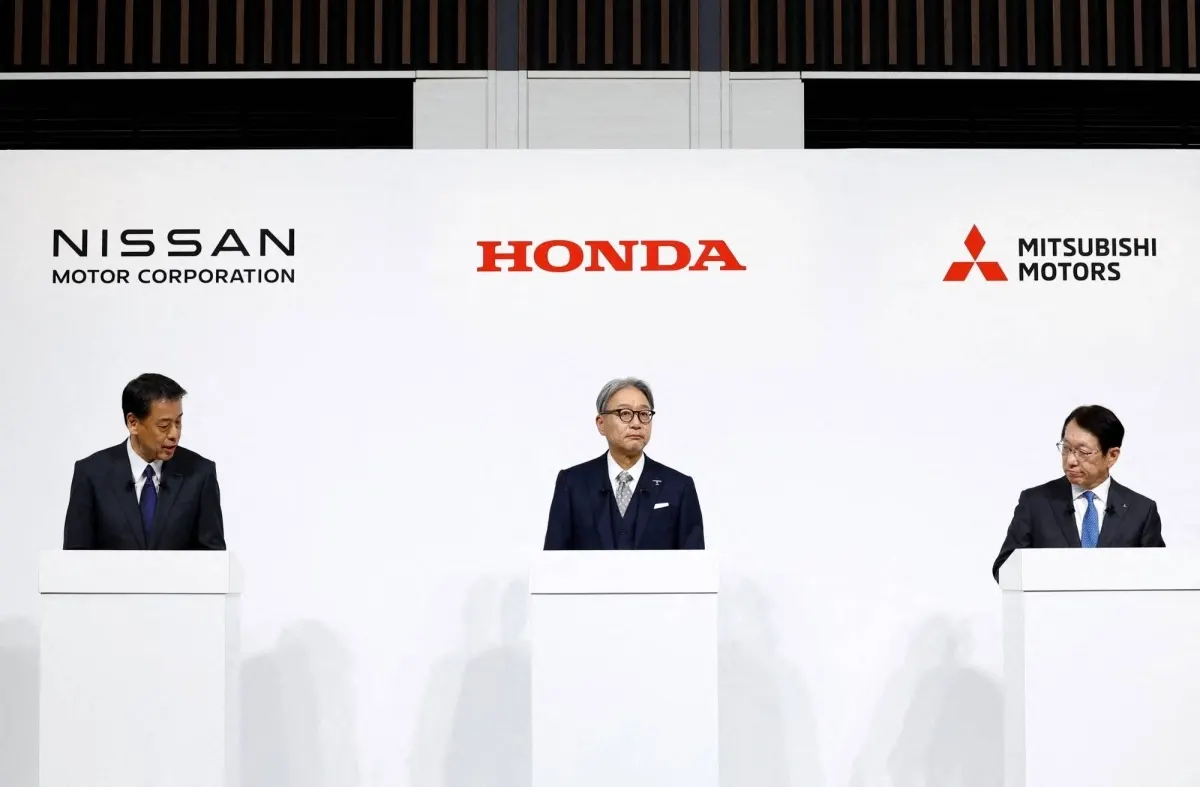
The first physical battleground for this desperate entente involves electronic control units (ECUs), the digital brains governing modern vehicle dashboards and features. Alongside Mitsubishi, the trio is considering slapping these identical components onto their future hybrid and electric lineups. If you share the same digital skeleton, expanding into shared powertrains, architectures, and procurement becomes a breeze.
However, the timeline severely clashes with Mibe’s sudden sense of urgency. While the executives sweat over the looming Chinese EV juggernaut, this electronic brotherhood isn’t scheduled to materialize until the 2029-2030 window. To make matters worse, reports from Nikkei Asia suggest that critical deadlocks over development funding and strict contractual terms are still paralyzing progress.
Then, of course, there is the ghost in the machine: Renault. The French automaker still clings tightly to 15% of Nissan’s voting rights, a lingering souvenir of a Franco-Japanese alliance that refuses to die. Renault is even suspected of pulling strings behind the scenes during a recent shareholder vote to block Motoo Nagai’s appointment as an independent director. Nissan might be a publicly traded entity, but any grand strategic shift will have to survive a boardroom knife fight, and Renault clearly has no intention of being relegated to the back seat.
Ultimately, it is impossible to read this frantic alignment as a confident, visionary industrial masterstroke. Mibe himself confessed that failing to compete with “emerging forces within three years” means facing structural ruin.