

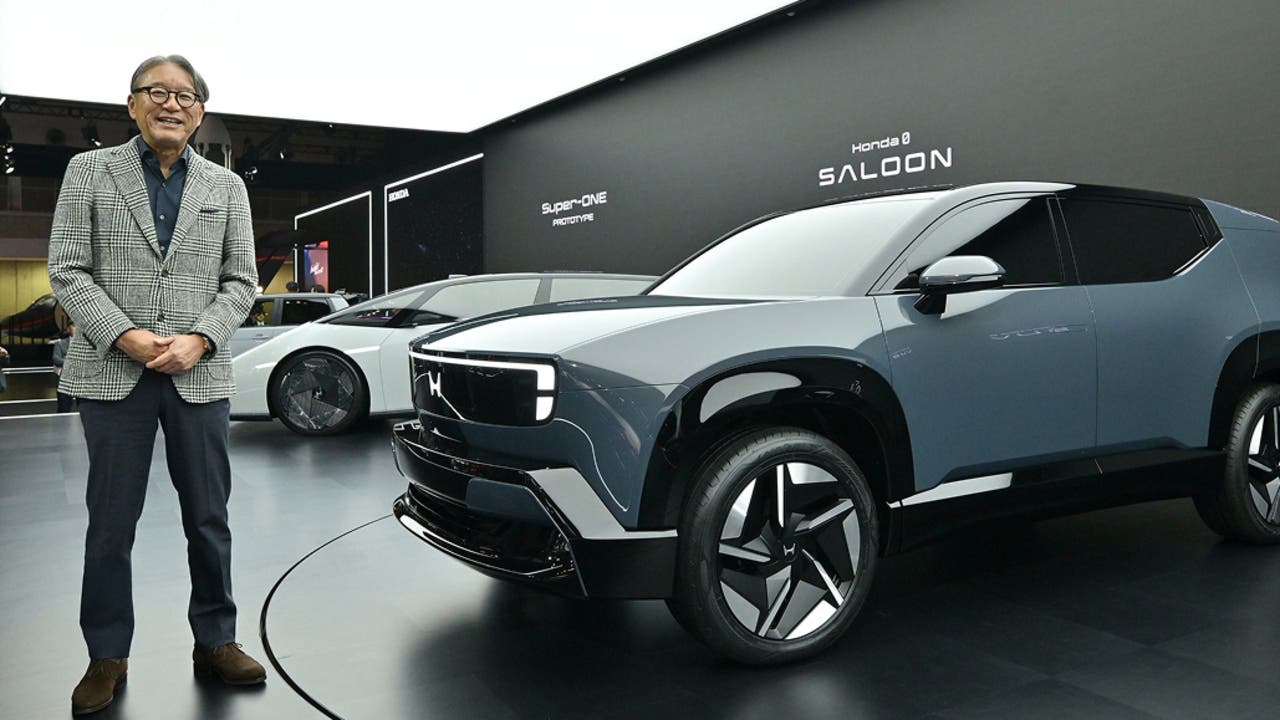
The silence of robots in Shanghai’s mega-factories is currently making a hell of a lot more noise than a VTEC engine. Toshihiro Mibe, the CEO of Honda, learned this the hard way during a recent reality-check tour of Chinese suppliers.
He didn’t come back with a new partnership. He came back looking like a man who just read his own funeral arrangements. His admission was brutally honest, bordering on corporate heresy: “We have no chance against this”. He was staring at an ecosystem where extreme efficiency and total automation have turned car manufacturing into a surgical, human-free process that cuts out the one thing Japanese boardrooms love, unnecessary costs and endless meetings.
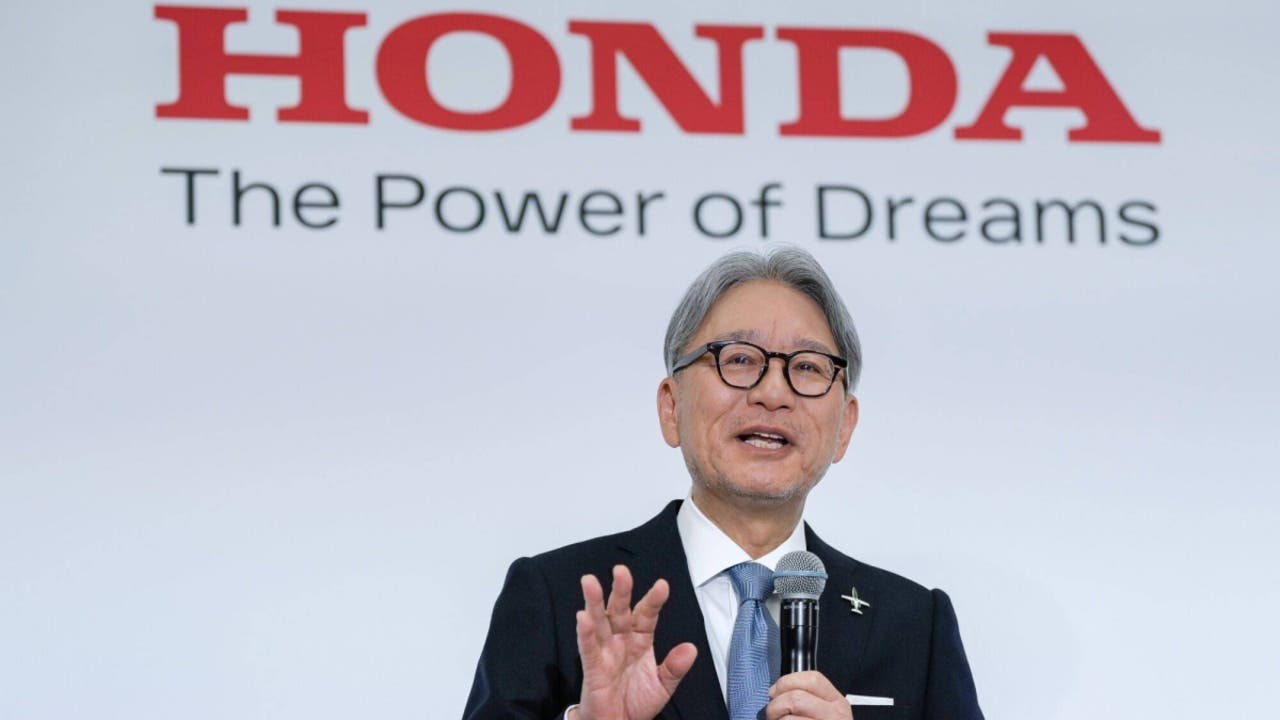
Chinese titans like BYD and NIO are pumping out new models in 18 to 24 months. That is roughly half the time it takes Honda or Toyota to decide on the specific shade of silver for a bumper. The numbers don’t lie, and for Honda, they read like a battlefield casualty report. In 2020, they were moving 1.6 million units in China, by 2026, they’re staring at a pathetic 640,000. It’s a total collapse.
Mibe’s response reeks of both nostalgia and pure desperation. He’s trying to turn back the clock to 1960, resurrecting Honda R&D as an independent unit. It’s a romantic attempt to channel the ghost of Soichiro Honda, hoping that giving engineers a little “freedom” will magically fix a corporate structure that has become elephantine and slow.
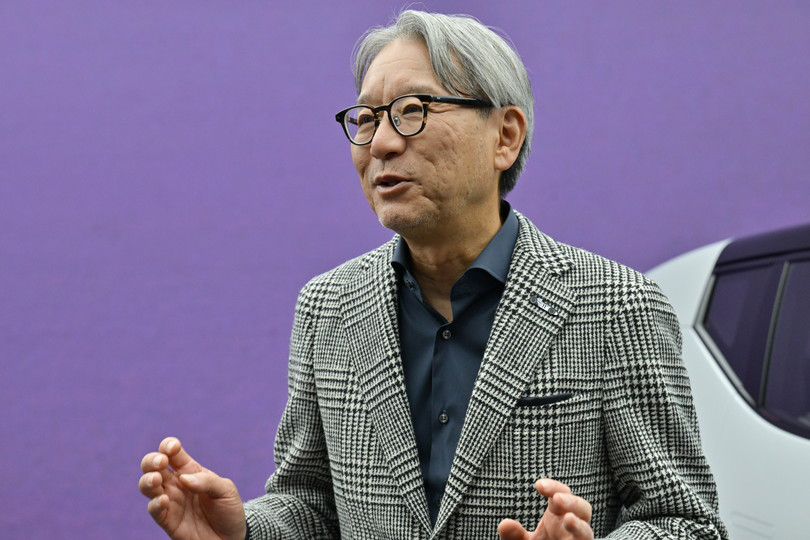
Will engineering independence really stop an invasion that moves at double your speed? To chase this miracle, Honda is shifting its weight to India for the “0 Alpha” electric project, a Hail Mary attempt to slash costs and digitize every single thing.
Some are calling Chinese EVs “the Temu of cars”. But the realists know the truth: if you can’t make an affordable car anymore, your legendary “reliability” will just be a nice bedtime story for nostalgic collectors. Mibe has to prove Honda is still a professional tool in a world that is perfectly happy with Beijing’s disposable tech.