

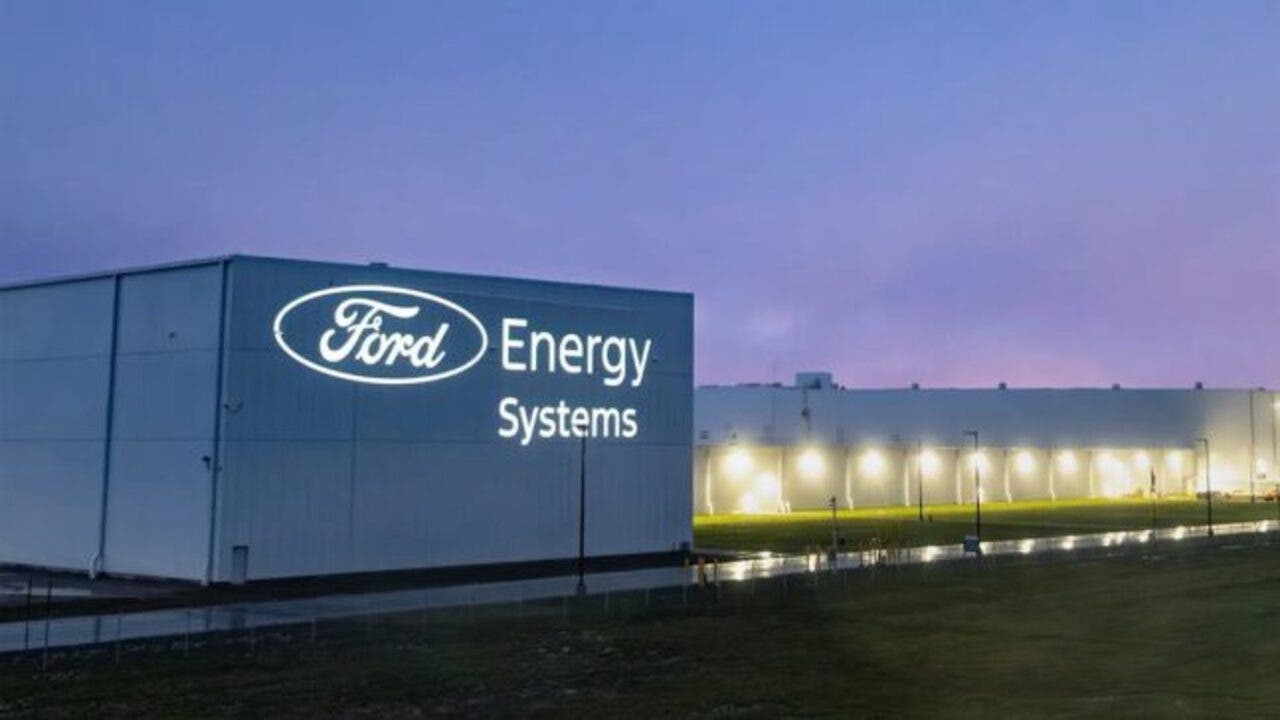
Detroit’s grand subsidized electric romance has officially ended in a quiet SEC filing. Ford Motor Company has finalized a restructured $3.8 billion loan from the US Department of Energy (DOE), marking the final, paperwork-heavy nail in the coffin of its BlueOval SK joint venture with South Korea’s SK On. Remember when legacy automakers promised a clean, silent, electric utopia? Well, the new reality tastes like a multi-billion-dollar cocktail of corporate restructuring and federal cushions.
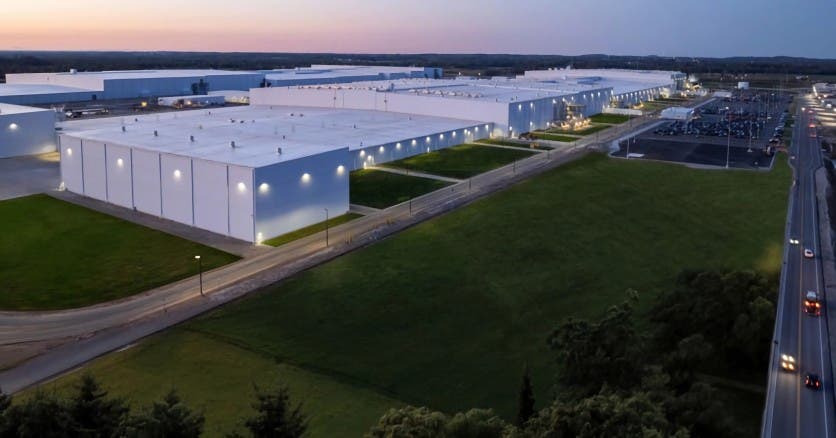
Under the fresh terms, Ford Energy Battery LLC takes sole ownership of the Kentucky facilities, while SK On walks away with the Tennessee site to build gas-powered trucks by 2029. The former symbol of the electric revolution is pivoting back to internal combustion. Irony aside, Washington is giving Dearborn a generous hall pass: a fixed interest rate of 4.814% with a four-year, interest-only grace period until 2030. It is essentially a financial emergency room that requires Ford to keep at least $4 billion in lunch money at all times to avoid default.
Why the sudden retreat? Because the American consumer looked at Ford’s electric lineup and collectively said, “No, thank you”. Following the expiration of the federal tax credit, Ford quietly axed the F-150 Lightning after a catastrophic 69% year-on-year drop in EV sales during the first quarter of 2026. With the “Model e” division bleeding out toward an expected $4.5 billion loss this year, and EV czar Doug Field shown the exit, Ford is pivoting.
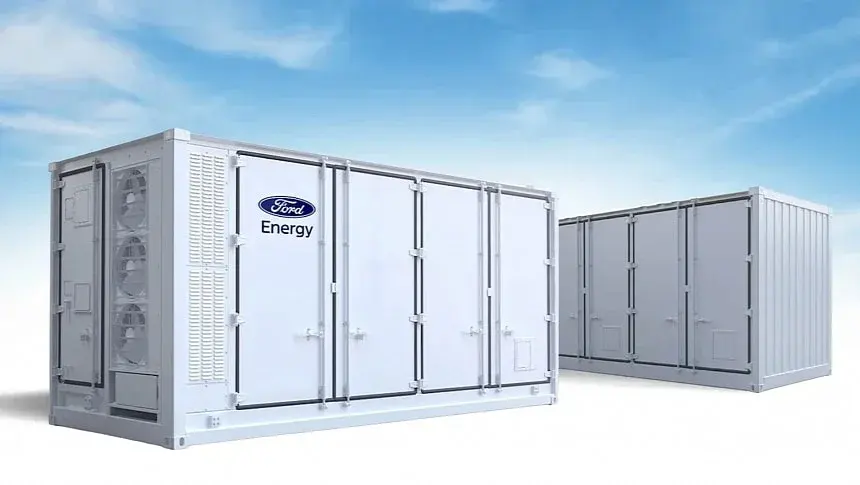
Instead of powering future cars, the Kentucky plant will now build “DC Blocks”. 20-foot shipping containers packed with lithium iron phosphate cells meant to keep data centers and utilities humming. Ford is spending $2 billion to retool the plant, promising to hire 2,100 workers after casually laying off 1,600 during the transition.
Ford isn’t the only one shrinking its EV ambitions to fit a cold reality. Rivian recently slashed its own DOE loan request by two billion dollars to salvage its Georgia SUV plant. As Washington tightens the federal purse strings and carmakers face reality, Detroit’s electric revolution looks like a very expensive, taxpayer-subsidized U-turn.