

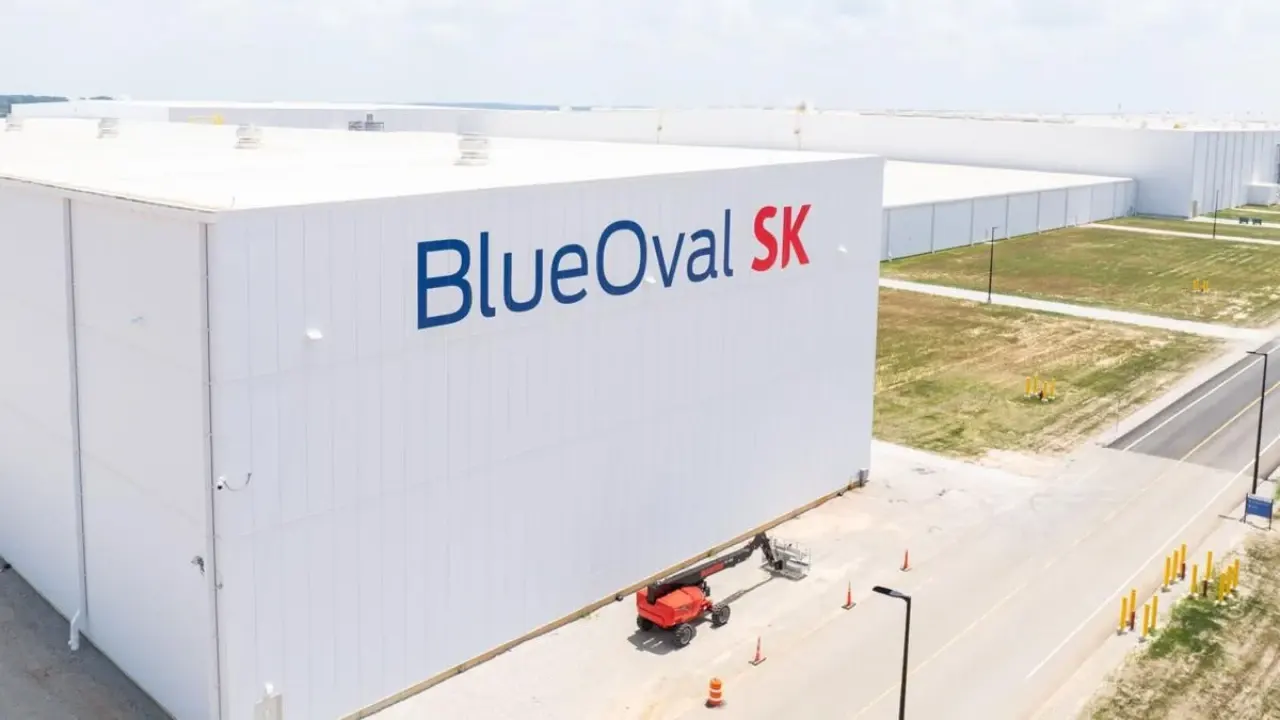
The bold, $11-billion joint venture between Ford and South Korea’s SK Group, known as BlueOval SK, is officially dissolving, marking a significant turning point in the US electric vehicle manufacturing landscape. According to reports, the companies are amicably dividing their assets. Ford gains sole ownership of two massive battery production sites in Hardin County, Kentucky, while SK On takes the reins of the nearly complete EV battery factory near Memphis, Tennessee.
This corporate divorce is less about personality clashes and more about political cold feet. The move aligns perfectly with the broader automotive industry’s current pullback from aggressive EV expansion, accelerated by the Trump administration’s policy shifts, specifically, the end of federal EV incentives and the elimination of mandates for stricter average mileage standards across all vehicles.
As Ford CEO Jim Farley noted, the company had simply “over-planned” its electric vehicle capacity, and with the removal of fuel economy penalties, that overcapacity became an unnecessary burden.
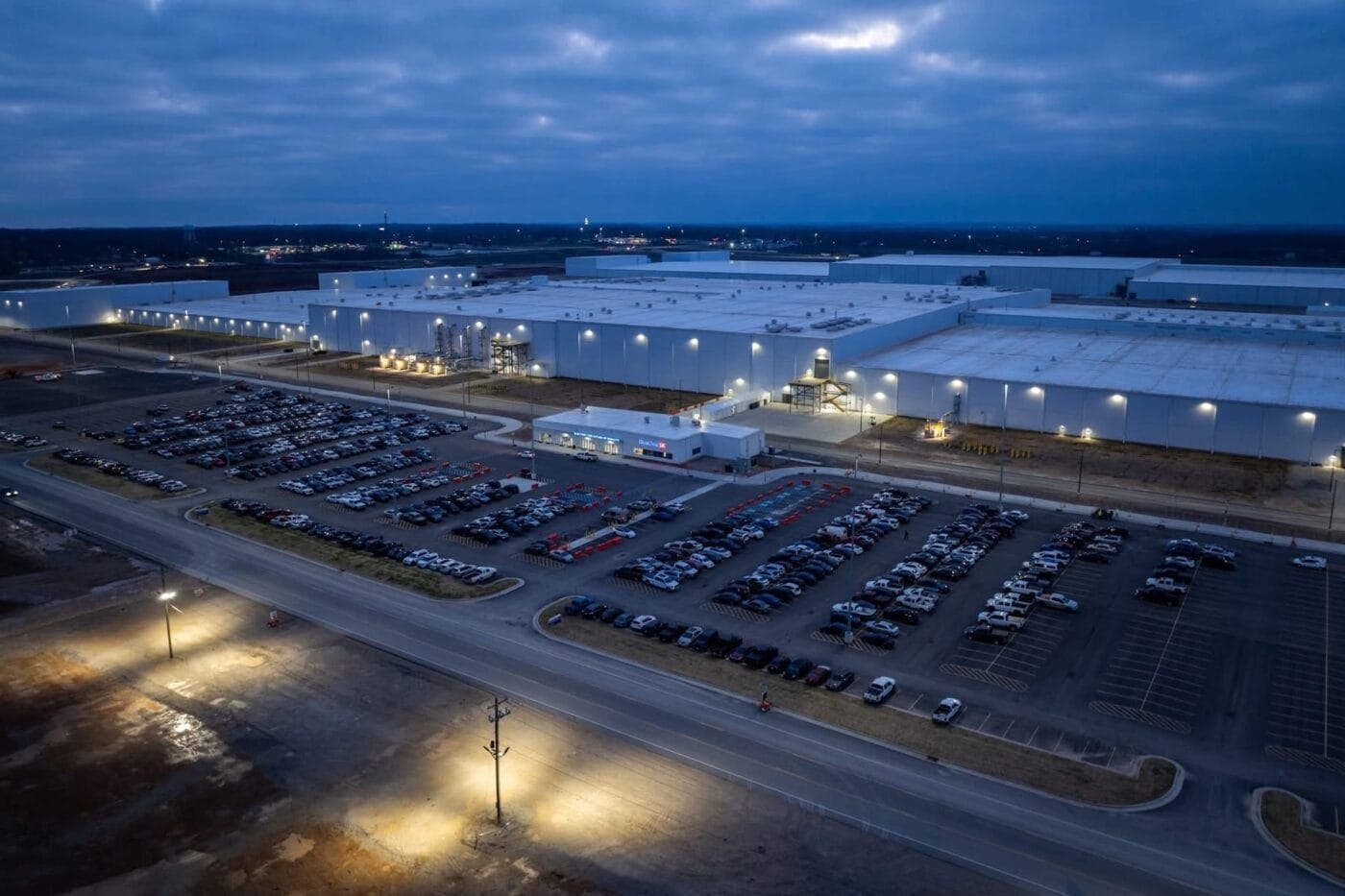
The Kentucky portion of the deal, once lauded in 2021 as a $5.8 billion investment and the largest in state history, is now a mixed bag for Ford. The company acquires two side-by-side battery production plants just south of Elizabethtown. One plant is already finished and started limited electric truck battery production back in August, operating well below its designed capacity.
The second facility, however, is reportedly little more than an empty building. A $5.8 billion shell that was supposed to employ 5,000 workers earning six-figure salaries. Ford will now determine the fate of these two sites.
Meanwhile, SK On is pivoting to new markets with the Tennessee plant. The company will take full ownership of the Memphis facility and, while still supplying batteries to Ford, will also use the massive site to manufacture stationary batteries for energy storage customers like public utilities and data centers. An SK On spokesperson noted the start of production “remains flexible” as the ownership transfer is finalized.