The U.S. electric vehicle market closed the first quarter of 2026 with 216,399 registrations, down 27 percent year over year. That result pushed market share down to 5.8 percent, a level well below the peaks reached in the second half of 2025. The end of federal incentives last year changed the competitive landscape for EVs in a structural way, putting the price gap between BEVs and combustion-powered vehicles back at the center of the discussion at a time when many American households are still under financial pressure.
Ford is struggling in a U.S. EV market that looks far weaker than expected
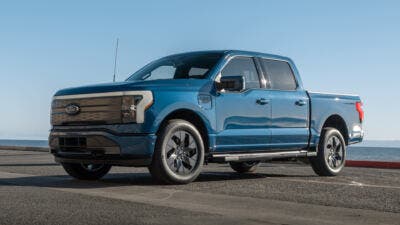
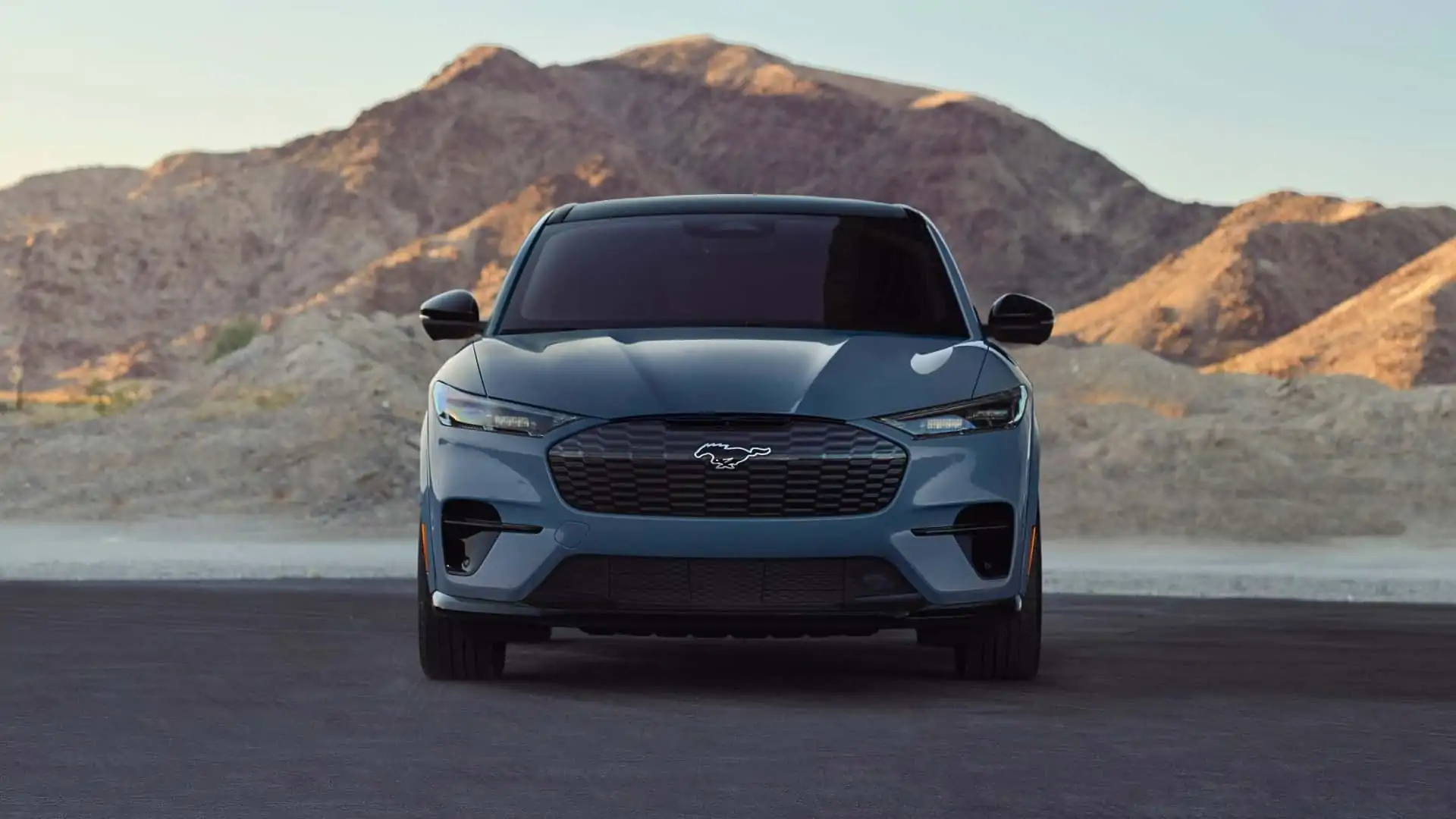
Ford is the automaker that has felt the impact of this reversal most clearly. Between January and March, the brand delivered 6,860 electric vehicles, down 69.6 percent from the more than 22,500 units it sold in the same period of 2025. That result sharply cuts back the ambitions with which Ford had tried to build a meaningful position in the segment through models such as the F-150 Lightning and Mustang Mach-E. Without incentives, Ford’s EV lineup has become particularly exposed, because its pricing now struggles to match the expectations of a customer base that often approached electric vehicles mainly because of the tax advantage.
Tesla still holds a dominant position with 117,300 quarterly deliveries and a share of more than 54 percent of the U.S. EV market. The Model Y alone accounts for more than a third of all BEV registrations in the country, confirming its role as the model around which most U.S. EV demand still revolves. The Model 3, while down from previous levels, continues to post volumes that keep it firmly near the top of the rankings.
Toyota and Lexus are emerging as the only brands posting meaningful growth, thanks to an offering better aligned with the middle of the market, while several European automakers are going through a much more difficult phase. Volkswagen, Nissan, Volvo, and Audi are all posting steep declines, confirming that simply having an electric model in the lineup is no longer enough to generate volume in a market where the end of incentives has pushed buyers to focus far more on real affordability and on how competitive an EV’s price looks compared with an equivalent combustion vehicle.