

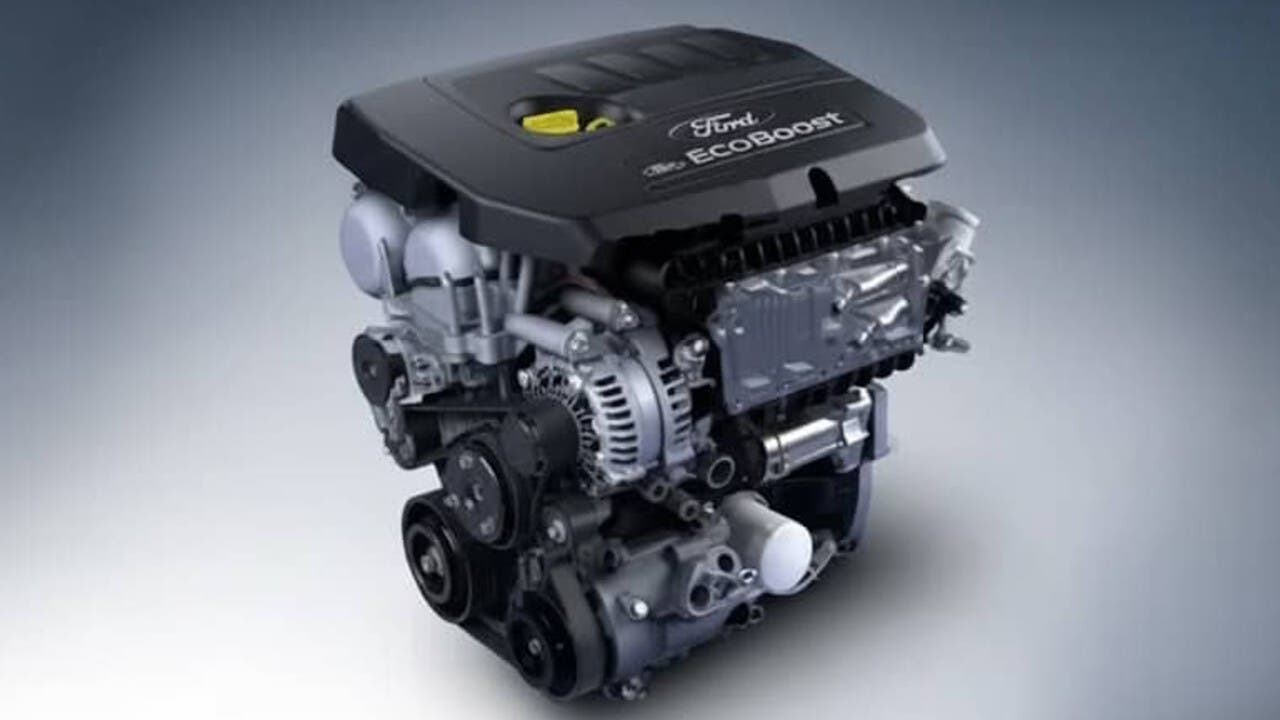
Anyone with a basic understanding of mechanics knew that Ford’s 1.0-liter turbocharged three-cylinder EcoBoost was a mechanical catastrophe waiting to happen. The culprit is the infamous “belt-in-oil” system, a design choice where the timing belt and oil pump belt are constantly bathed in engine oil.
While later versions of the “Fox” engine wisened up and switched to a metal timing chain, the oil pump drive remains a greasy liability in many markets. In the US, the last vehicle to feature this ticking heart was the 2022 EcoSport.
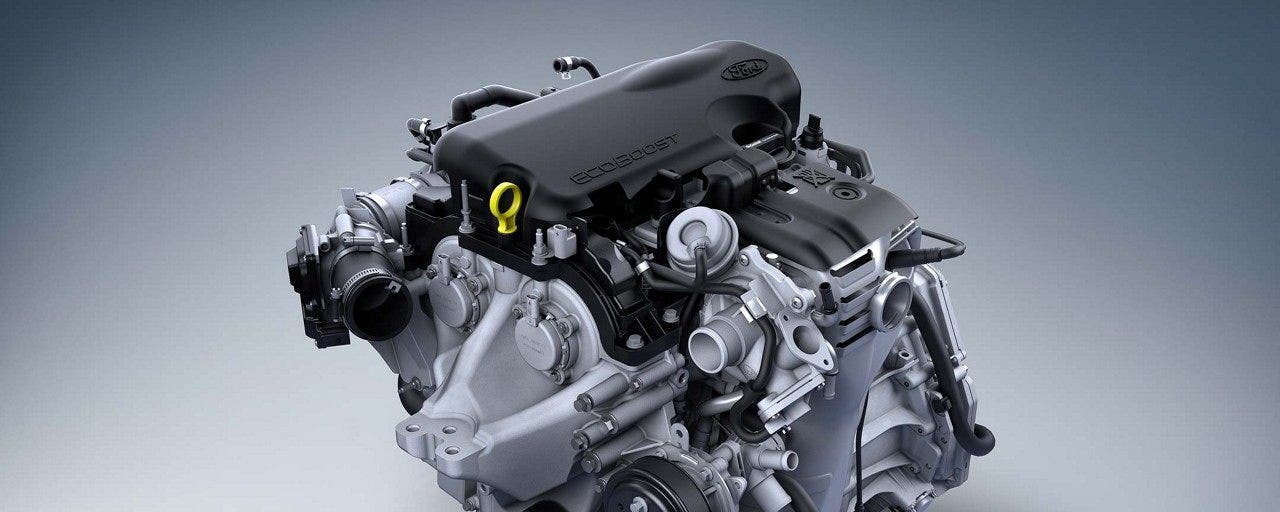
Now, the NHTSA’s Office of Defects Investigation is breathing down Ford’s neck. The investigation focuses on the Ford Focus (2015–2018) and the Ford Fiesta (2015–2017) following 44 complaints of low engine oil pressure followed by a sudden loss of motive power. Essentially, the rubber timing belt degrades, shedding fragments that accumulate in the oil pump and clog the pickup tube screen. Once the engine is starved of oil, it seizes, turning your “eco” commute into a very expensive paperweight.
Interestingly, while Ford already recalled nearly 140,000 automatic vehicles for a similar issue in late 2023, this new probe targets manual transmission models. The automatics suffered because of a specific vibration profile caused by an internal balance shaft that would snap the tensioner arm. Manual models lacked that shaft, so FoMoCo presumably thought they were safe. The NHTSA now begs to differ.
This investigation could lead to a recall of roughly 10,400 vehicles. That’s a small number for a giant like Ford, mostly because Americans have largely abandoned manual gearboxes for automatics that offer better fuel economy. For instance, a 2026 Ford Mustang with the 5.0L Coyote V8 and a manual gets 13.0 L/100 km, while the automatic version manages 12.4 L/100 km.
Ford no longer offers a direct hatchback or sedan alternative to the Fiesta or Focus, having pivoted entirely to utility vehicles. It seems the only thing Dearborn is currently “focusing” on is hoping these small-engine nightmares don’t seize the brand’s reputation.