

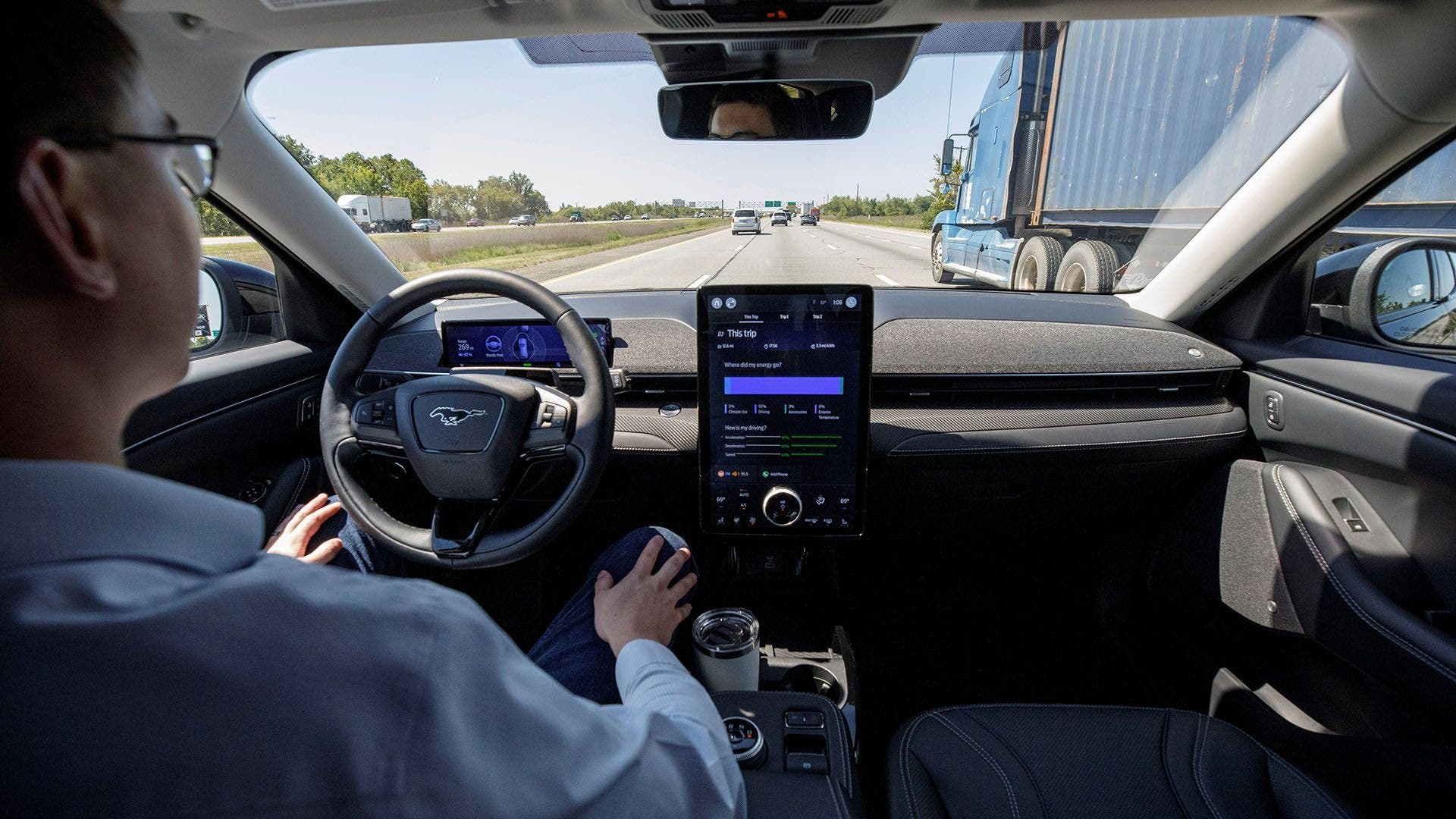
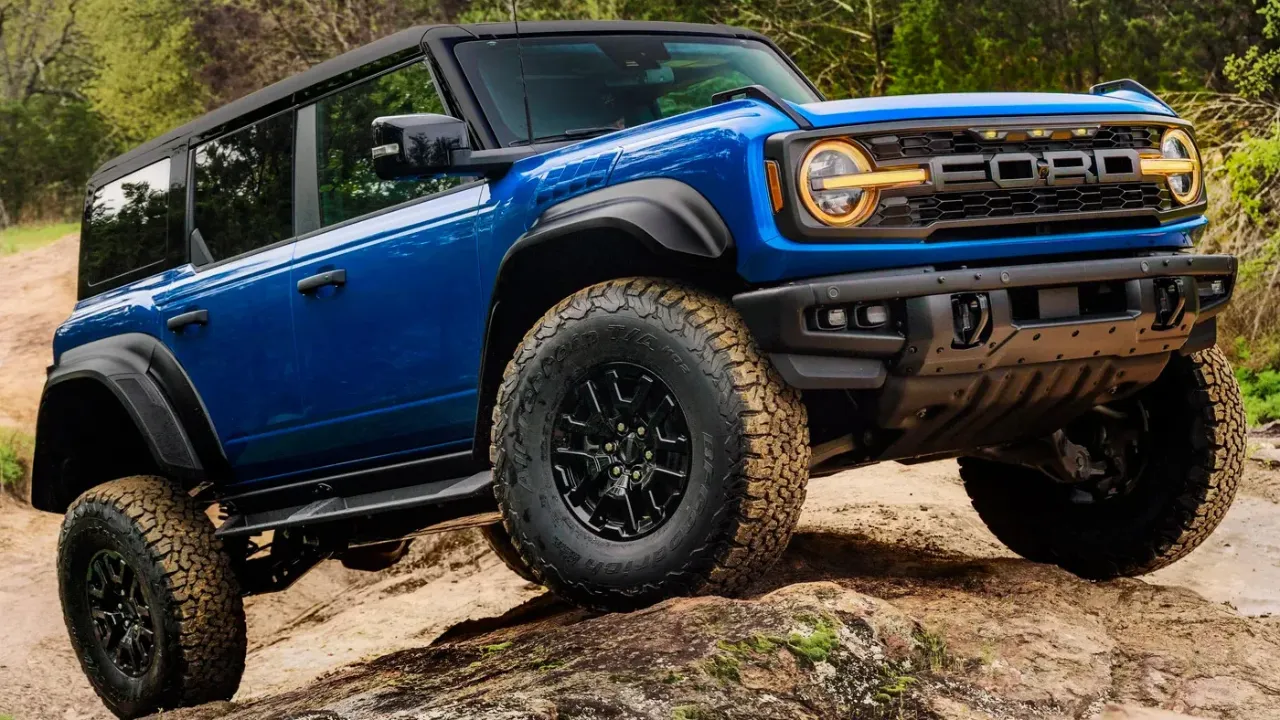
Ford has filed a patent for a facial-recognition and lip-reading system designed to replace voice commands when cabin noise makes traditional speech recognition unusable, a situation that often occurs in vehicles such as the Mustang convertible and doorless Bronco, two models that still represent an important part of the brand’s lineup in the United States.
Ford patents a lip-reading system for vehicle voice commands
When onboard sensors detect too much surrounding noise, the system would prompt the driver to switch to an alternative mode based on interior cameras capable of analyzing facial and lip movements through artificial-intelligence algorithms. A nod, a directional glance, or a softly spoken command could then activate certain vehicle functions without forcing the driver to raise his voice or repeat the instruction.
The idea is technologically interesting, although it is not obvious that it solves a real problem for most drivers. For tasks such as adjusting the climate control or opening the roof, a physical button still works faster and more reliably than any voice or gesture interface, without misinterpretation and without dependence on software. That dependence is in fact one of the system’s weakest points. According to the patent, the system would rely on the cloud, which means it could stop working whenever the connection becomes unstable, for example in a tunnel or on remote roads. That limitation feels almost contradictory for a technology designed to compensate for the weaknesses of conventional voice recognition.

Ford is not the only automaker moving in this direction. Toyota and BMW are also developing next-generation voice and gesture systems, while some analysts warn that rising demand for automotive AI components could create further pressure on the semiconductor supply chain.
The most sensitive issue remains privacy. A system designed to observe the driver’s face continuously, and potentially the entire cabin, raises obvious questions about how the company would handle and use the data it collects. Those concerns matter even more at a time when consumer distrust toward personal-data collection is not easing. Ford also faces an added complication. The company recently recalled more than 250,000 SUVs because of software problems, a precedent that does not make it easier to ask customers to trust a new AI-based system tasked with interpreting the facial expressions of the person behind the wheel.