

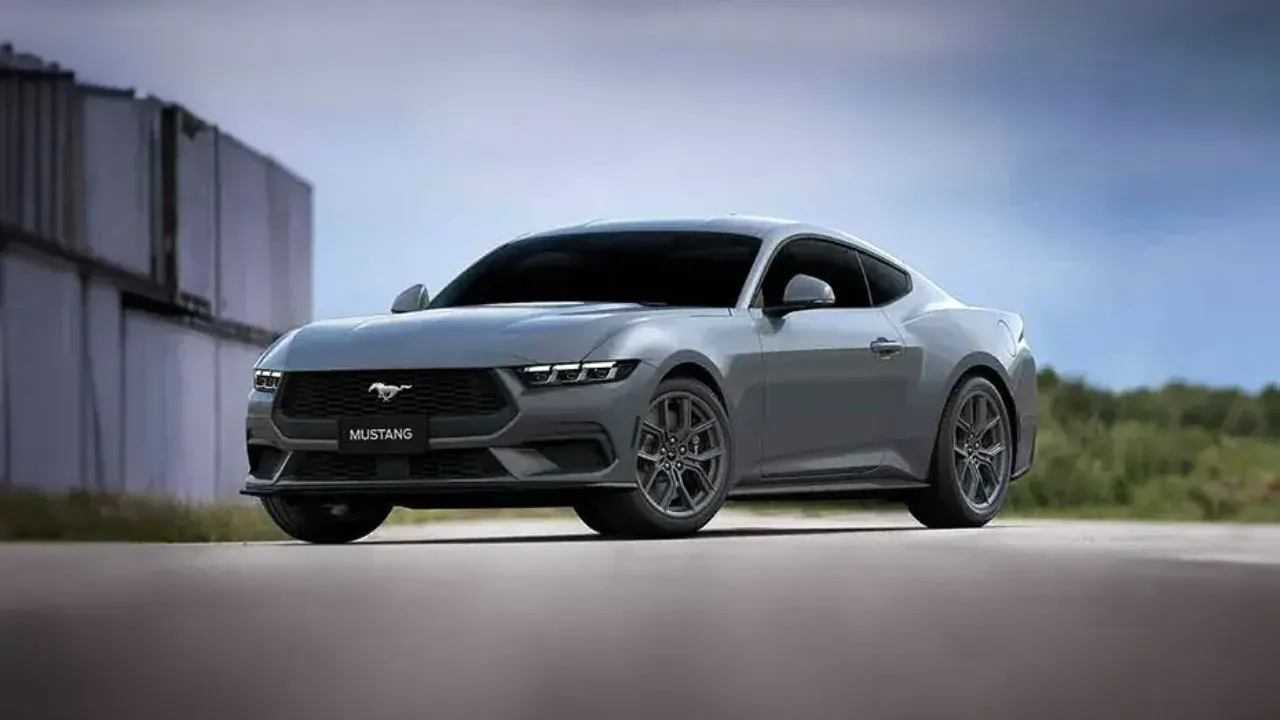
Fourteen thousand and seventy-four units. That’s how many Ford Mustangs found their way into American garages between January and March 2026. A number that sounds impressive. Until you realize it’s essentially a victory lap around an empty track.
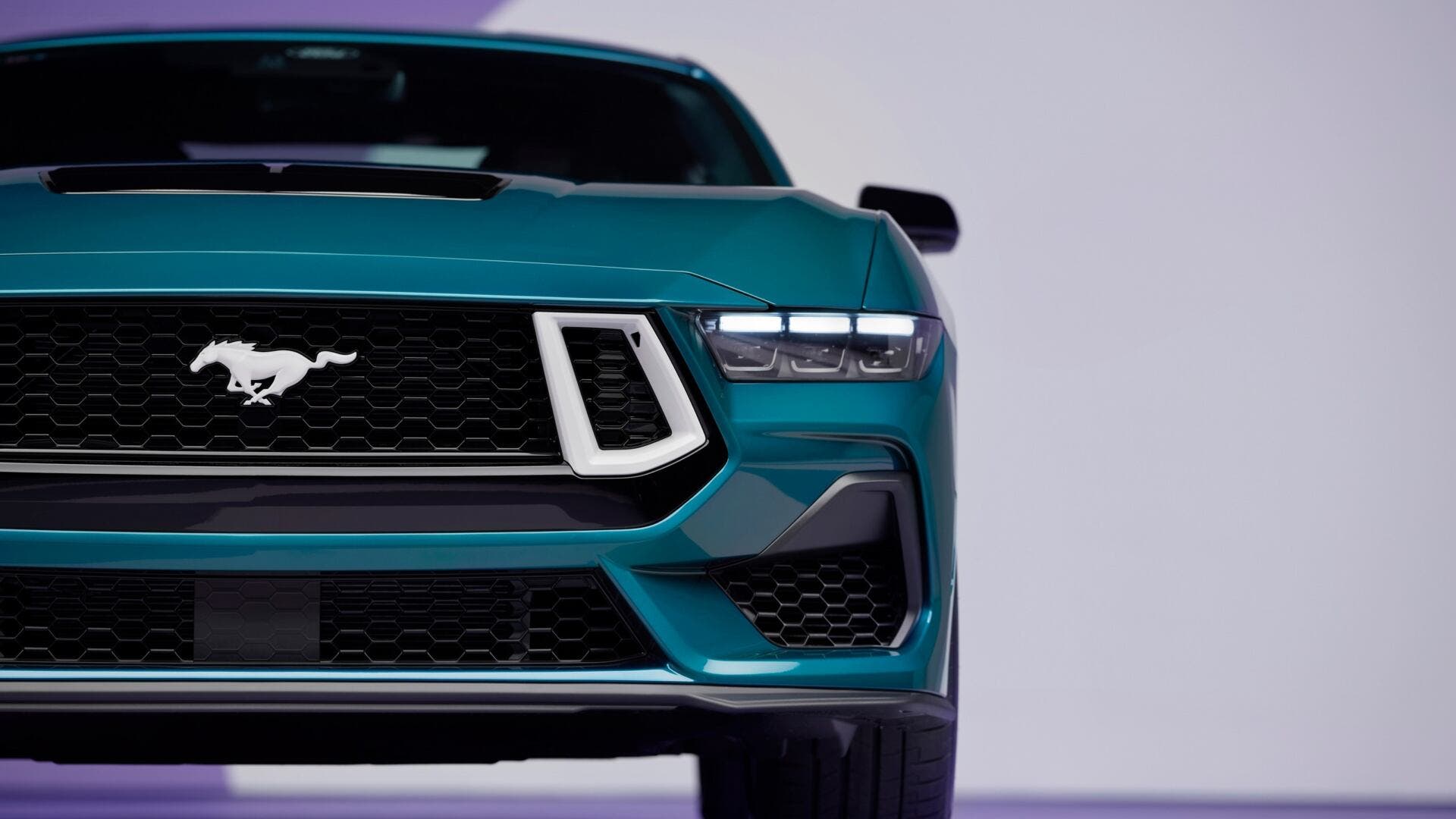
The Nissan Z, the Toyota GR86, the occasional exotic that stumbles into the same sales category, none of them come close. The Mustang’s only real competition at this point is the Dodge Charger with an internal combustion engine, a model that Stellantis North America is quietly resurrecting from the ashes of its own electrification strategy. Dodge moved 1,672 Charger units in Q1, up 59% year-over-year, which sounds like a comeback story until you check what the Charger Daytona EV was doing at the same time, down 88%.
Then there’s GM, which has taken a different approach entirely: silence. The Camaro has been so thoroughly erased from Chevrolet’s sales press releases that it’s starting to feel like a controlled demolition. Yes, a Camaro ZL1 is still lapping NASCAR ovals in 2026, but a seventh-generation production model remains a rumor wrapped in corporate ambiguity. Will it come back as an electric sedan? The optimistic scenario involves a two-door V8 coupe paired with an electric crossover.
Meanwhile, the Mustang Mach-E is having what financial analysts politely call “a challenging quarter”. Just 4,600 units delivered in the US so far in 2026, a 60.4% collapse from the previous year. Price cuts that weren’t really price cuts, standard features quietly reshuffled into paid packages, and the expiration of EV incentives have all done their part. The Mach-E starts at $37,795 and offers up to 320 miles of range.
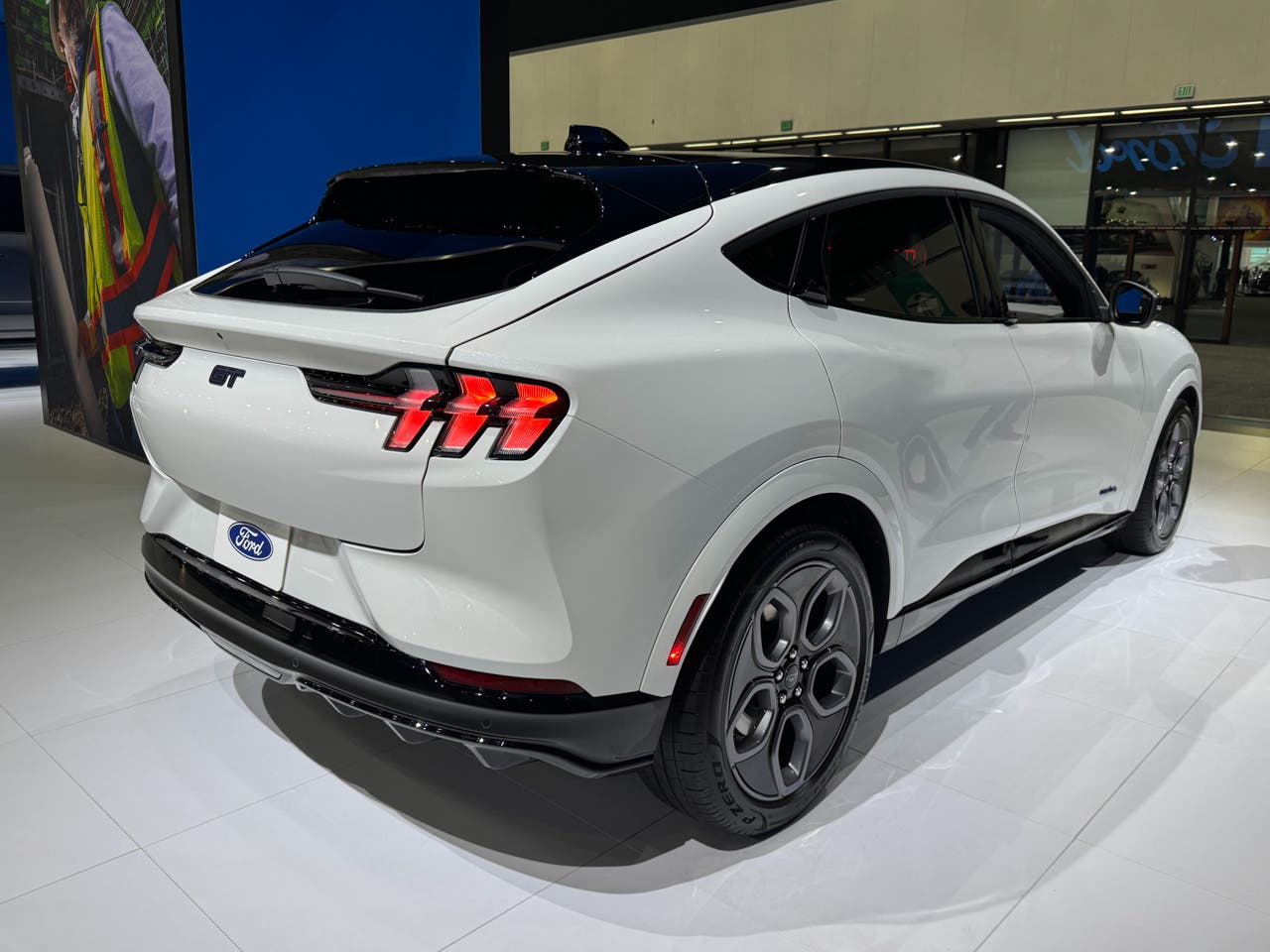
The traditional Mustang lineup keeps its pricing relatively grounded: $32,640 for the EcoBoost, $46,560 to hear eight cylinders, and $103,490 if you want the new Dark Horse SC, destination charges and gas-guzzler tax not included, dignity optional.