

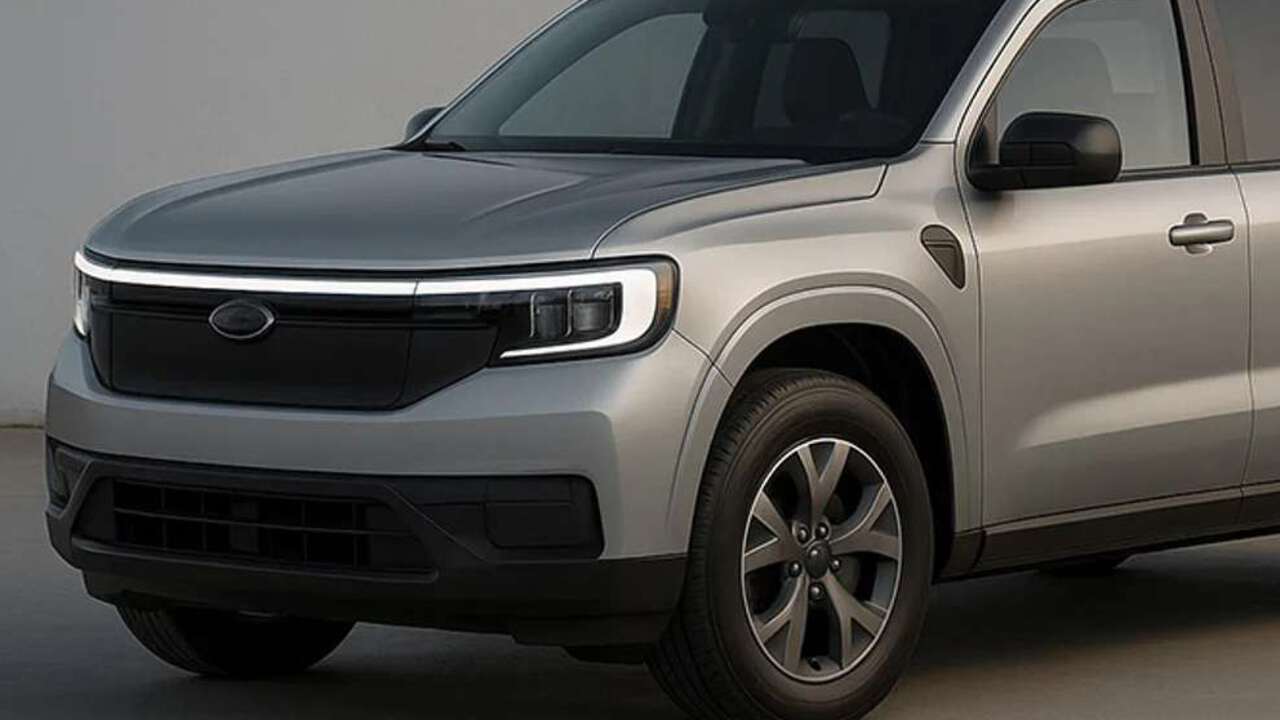
Ford is desperately trying to convince us that size doesn’t matter, but parking their highly anticipated, budget-friendly electric pickup next to a gargantuan Expedition Max in Dearborn tells a completely different story.
The latest spy shots reveal a vehicle so diminutive it looks less like a rugged truck and more like a standard sedan with a utility bed hastily bolted onto its rear. With the massive 221.9-inch long and 78-inch tall SUV towering over it, the prototype’s low roofline barely scrapes the Expedition’s beltline.

It turns out this comical disproportion isn’t just a styling quirk; it’s a direct result of Dearborn’s sudden obsession with aerodynamic efficiency. Ford’s corporate calculators have determined that merely adding a single millimeter to the roof height would either bleed 0.055 miles of range or slap an extra $1.30 onto the battery bill. In the brutal, low-margin world of EV manufacturing, a millimeter is literally money.
To chase that precious range without ballooning production costs, the Dearborn skunkworks team threw every aerodynamic trick in the book at this prototype. We are talking about a steeply raked windshield, shrunken side mirrors, low-resistance Michelin E Primacy rubber, an integrated roof spoiler, and those cross-shaped 19-inch aero wheel covers. Ford boasts this setup delivers a 15% aerodynamic advantage over any truck currently on asphalt, putting even the Maverick to shame.
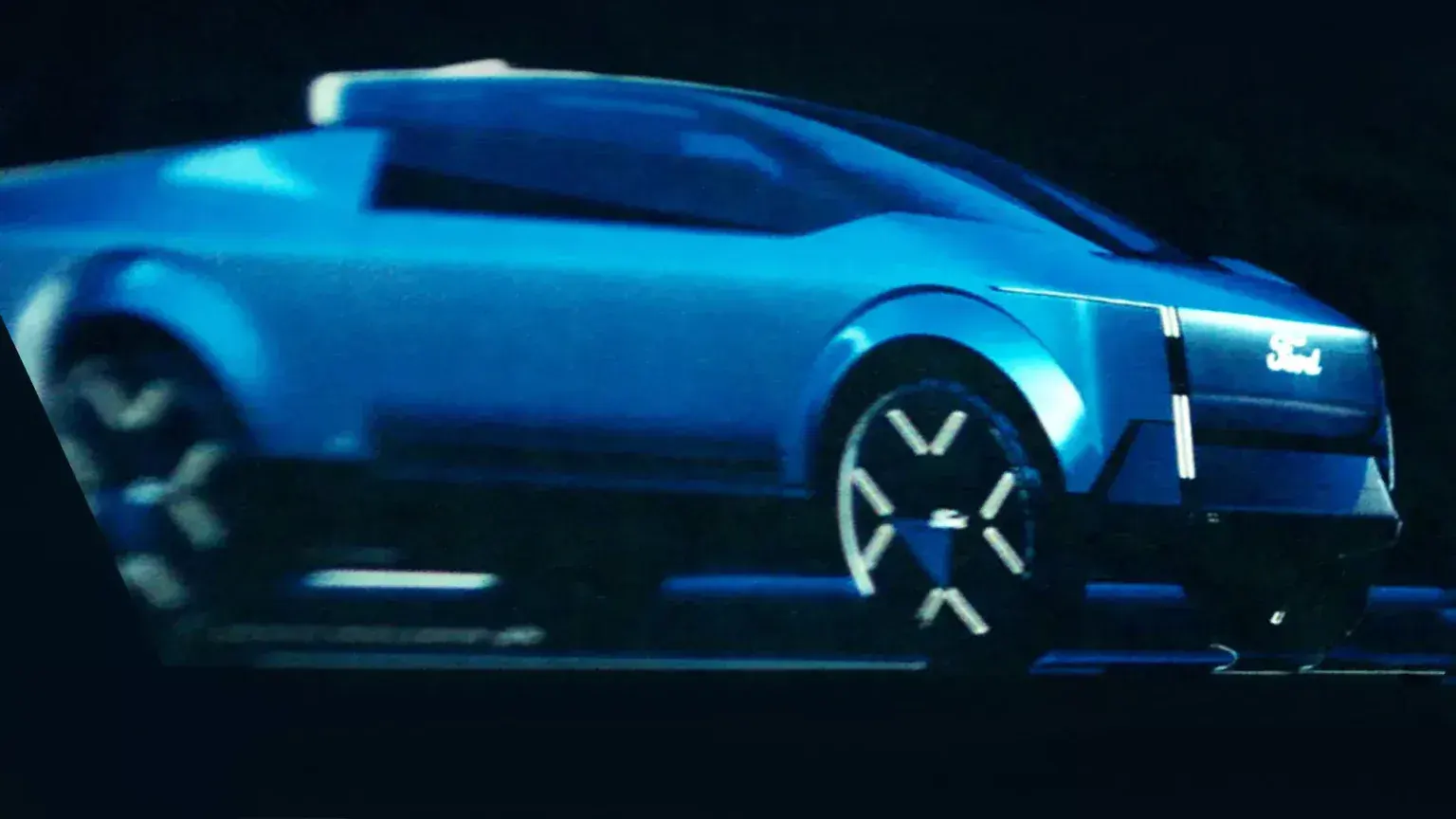
Underneath a camouflage wrap bizarrely adorned with clip-art graphics of dogs, sailboats, and soccer balls the front end hides droopy, low-set headlights that look suspiciously like a nod to the 1950s second-generation F-Series or the retro Mustangs of the late 2000s. Inside, the cabin is dominated by a massive, free-standing infotainment touchscreen, proving that digital real estate is the one area where Ford refuses to downsize.
The real revolution, however, lies beneath the sheet metal and the quirky graphics. By utilizing massive aluminum unicastings, Dearborn managed to slash weight by 27% compared to traditional rivals while gutting the bill of materials. Even the electrical architecture went on a diet, adopting a 48-volt system that shrinks the wiring harness by 4,000 feet and 22 pounds over Ford’s first-generation EV missteps. By pairing this hyper-efficient manufacturing process with a cheaper Lithium Iron Phosphate (LFP) battery, Ford intends to drag the starting price down to a promised $30,000.