

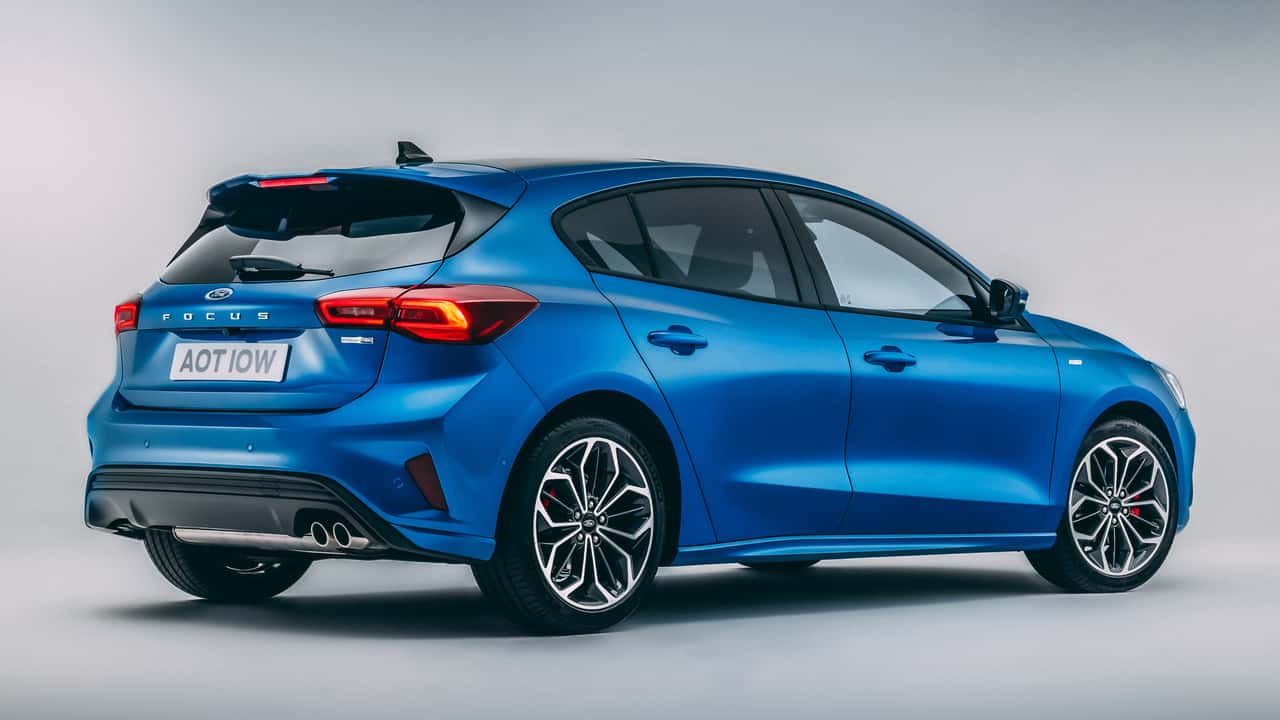
Ford’s lineup no longer includes city cars or compact hatchbacks. The Fiesta ended its long career after more than 28 years, while the Focus left the market without a direct successor. Today, Ford’s range consists almost entirely of SUVs, pickup trucks, and electric vehicles, which often come with far from affordable price tags. As a result, truly accessible options have become increasingly rare for buyers on a tight budget.
So why did Ford decide to walk away from segments that once formed the backbone of the European market? The answer comes straight from the company’s leadership. Ford has chosen to abandon low-priced cars and focus instead on more profitable models, a decision the company has already come to regret in some respects.
Ford explains its exit from the Small Car market
In a recent interview with the Argentine newspaper La Nación, Ford CEO Jim Farley explained that the company never managed to compete as effectively as it wanted against Asian giants on cost efficiency. “We tried, but we couldn’t keep up with Toyota and Hyundai-Kia,” he admitted. In the small car and compact segments, margins remain razor-thin and competition is relentless. Staying competitive requires massive volumes, flawless industrial efficiency, and an aggressive price war, one that Japanese and Korean manufacturers have mastered for decades.
For Ford, each Fiesta or Focus often delivered only marginal profits, and in some cases even losses, especially as development costs and emissions regulations continued to rise. Faced with this reality, the brand decided to change course.
The new strategy focuses on vehicles with higher perceived value, a strong identity, and higher prices. Models such as the Bronco, Mustang, and F-Series pickups perfectly embody this approach. They generate healthier margins, strengthen the brand’s image, and allow Ford to prioritize profitability over sheer volume. In short, less volume and more value.

This strategy, however, comes with risks. Heavy investment in electric vehicles has weighed heavily on Ford’s finances, and some zero-emission models have turned into significant financial drains. Even so, the company continues down this path, convinced that a leaner, better-positioned lineup offers the only sustainable long-term solution, even if that means abandoning its historical role as a maker of affordable cars.
In Europe, however, an apparent contradiction has emerged. Ford recently confirmed the development of a small, affordable electric car based on the Renault 5. At first glance, this move seems to conflict with the decision to abandon small cars. In reality, the motivation is largely regulatory. Introducing a compact electric model helps Ford comply with strict CAFE CO₂ emissions limits. The goal is not to return to Fiesta-era volumes, but to avoid hefty financial penalties.