

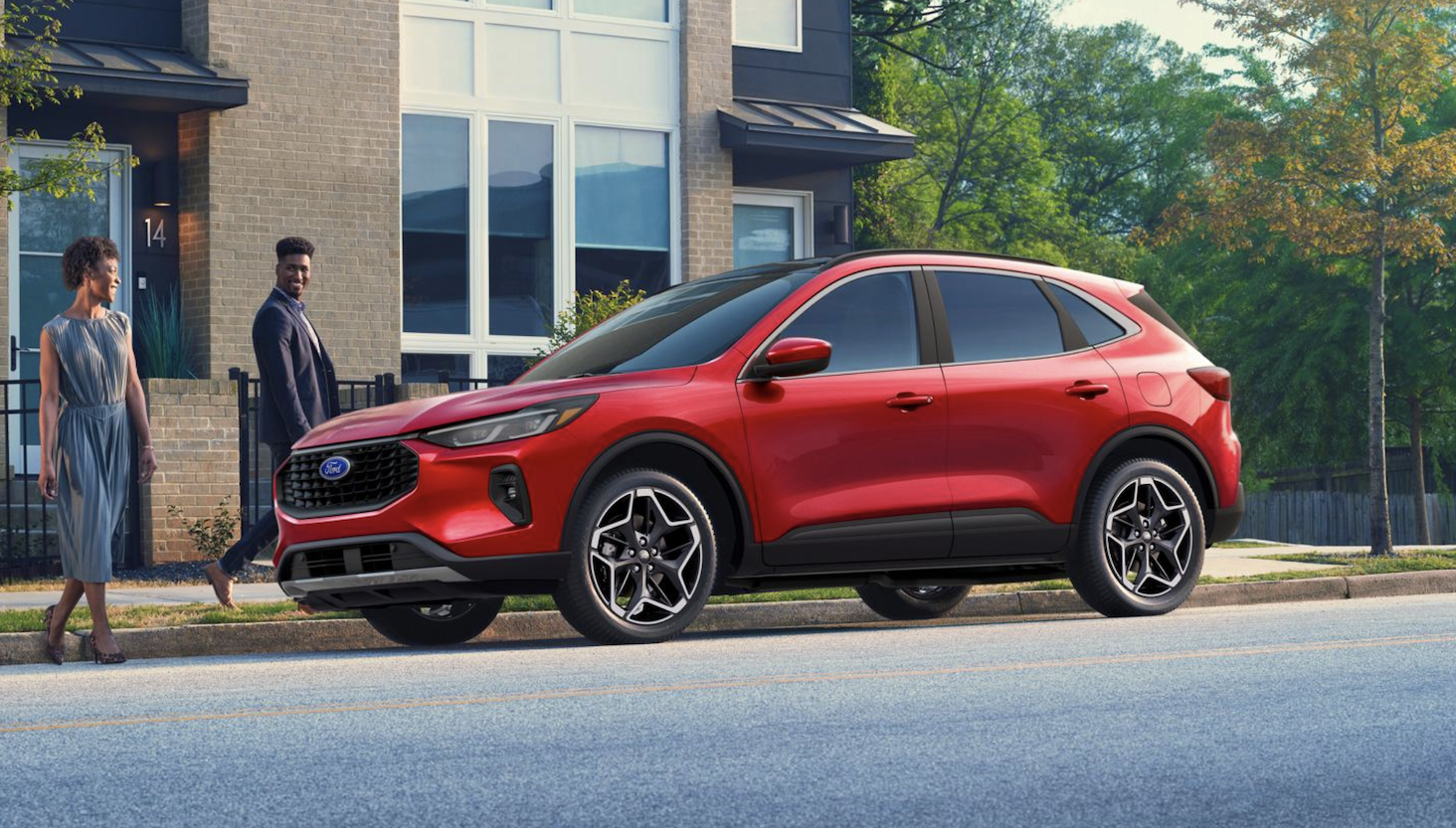
Ford has launched a new recall affecting 24,690 plug-in hybrid crossovers, including the 2023–2025 Ford Escape and the 2023–2026 Lincoln Corsair. This marks the third action tied to the same issue and brings the total number of impacted vehicles to about 61,526 units. Winter is not over, yet Ford has already recorded more recalls than Hyundai and General Motors combined.
Ford recalls 24,690 PHEV crossovers over high-voltage battery defect
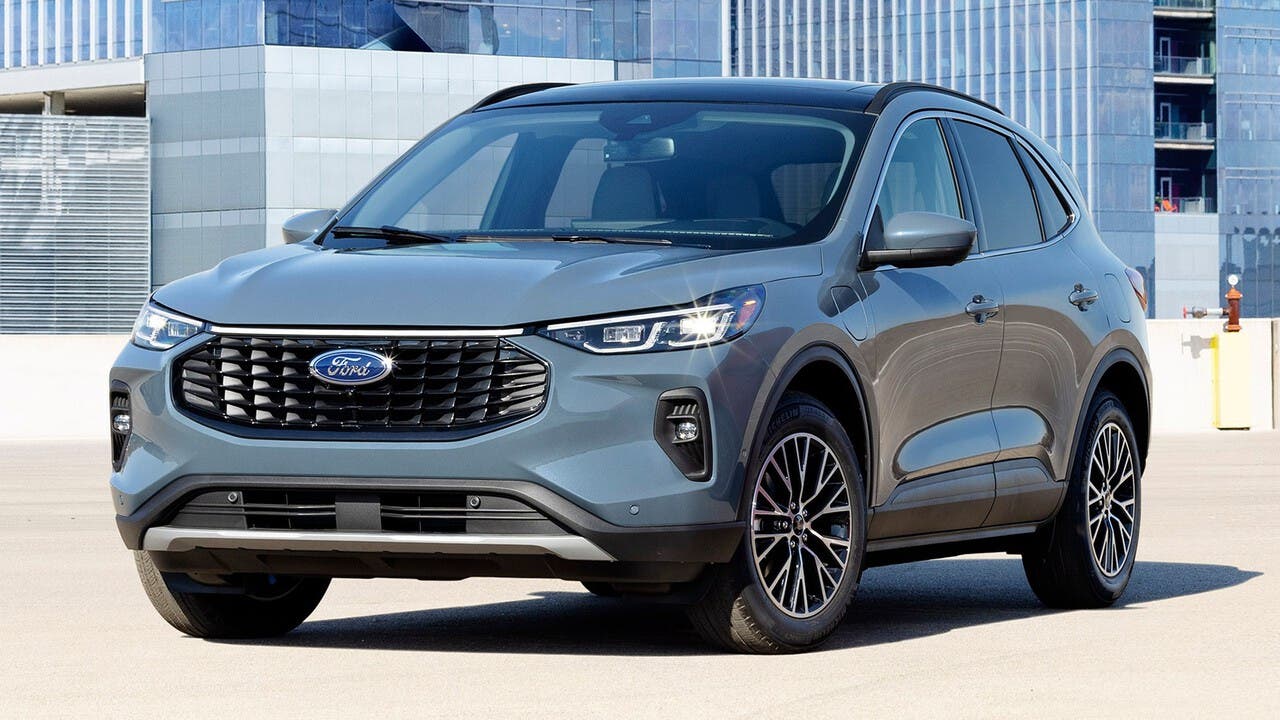
According to the National Highway Traffic Safety Administration, some of these vehicles may contain a manufacturing defect in one or more high-voltage battery cells. The flaw can trigger an internal short circuit and lead to battery failure. In the most severe cases, drivers could face a sudden loss of propulsion or even a fire.
Engineers traced the issue to variations in the production process at cell supplier Samsung SDI. Technical documents point to micro-defects in the cathode and localized stress in the separator layer, conditions that can weaken the battery’s internal structure over time. Ford estimates that roughly 1 percent of the vehicles included in the latest recall carry the defect. However, that low percentage does not change a key fact: the company has not provided a permanent fix.
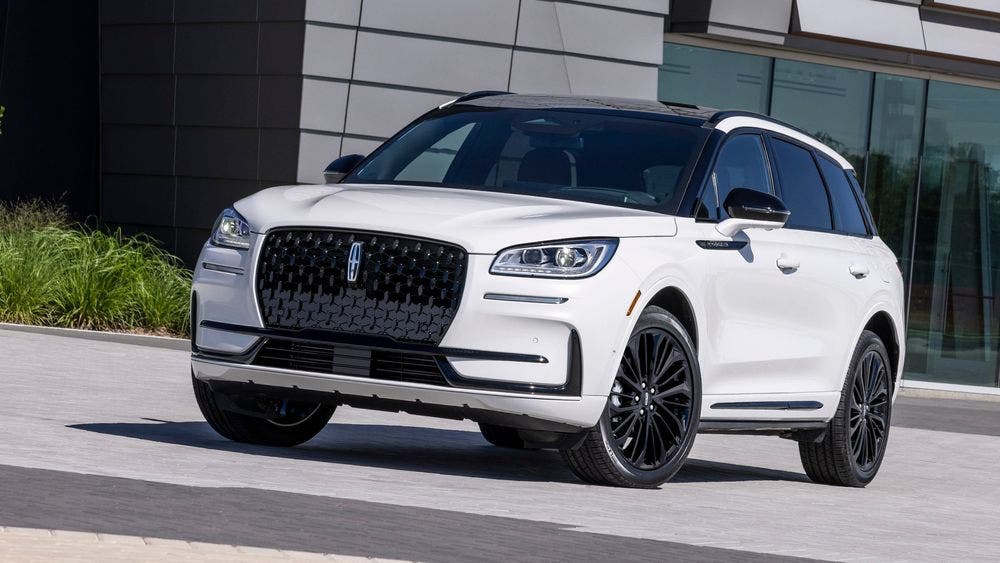
While engineers work on a solution, Ford advises owners to use Auto EV mode only and avoid charging the battery beyond 80 percent of its capacity. These steps aim to lower the risk rather than eliminate it. The company will begin notifying customers early next month, yet it has not set a timeline for the final repair. Meanwhile, dealers must keep new units under a stop-sale order. They cannot deliver them or use them for test drives until the company resolves the issue.
This recall adds pressure during an already challenging period for Ford in terms of quality and reliability. Battery-related defects in electrified models demand careful handling because many customers still question the technology. Each incident fuels broader skepticism about electric powertrains. Three recalls tied to the same problem within a few months make it harder for Ford to project full control over the situation.