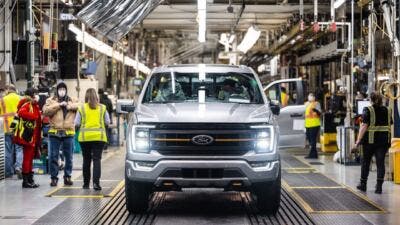
“Built Ford Tough” is a phenomenal marketing slogan, but Detroit’s factory floors have a funny way of letting reality loosen the bolts. Ford is currently dragging roughly 770,000 trucks and SUVs back to the dealership service bay across two separate, wildly chaotic recall campaigns that prove modern automotive engineering is sometimes just software patches wrapped in a prayer.
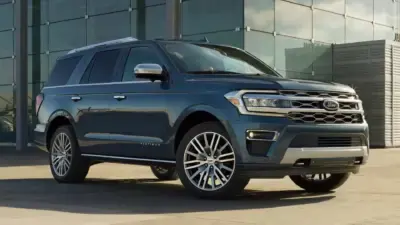
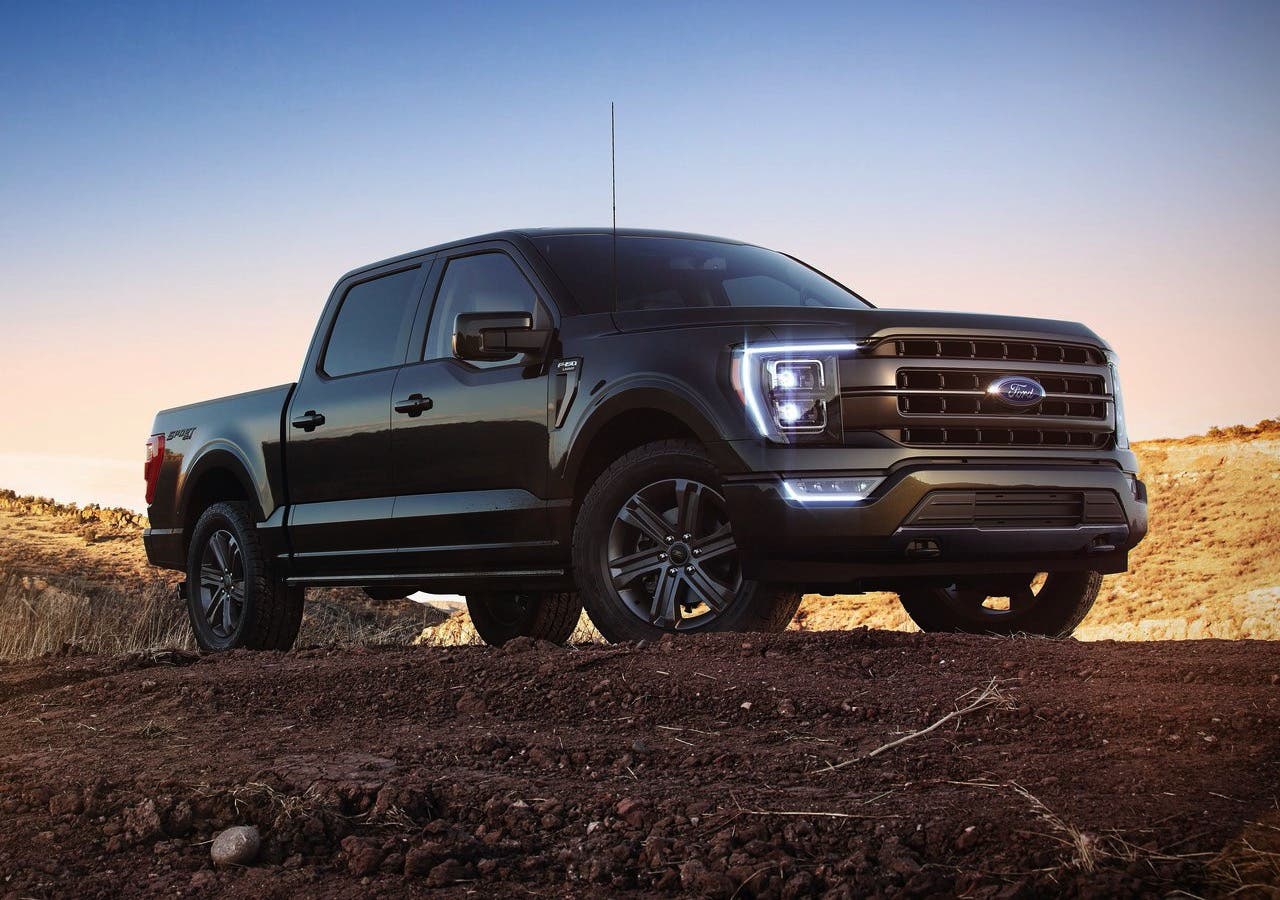
The lion’s share of this logistical nightmare belongs to a sweeping transmission glitch affecting exactly 741,195 vehicles. If you happen to garage a 2021 Ford F-150, a 2020-2021 Lincoln Aviator or Ford Explorer, or a 2018-2021 Lincoln Navigator or Ford Expedition, your vehicle might currently be playing Russian roulette with its parking pawl.
Thanks to a manufacturing oversight where the transmission valve body separator plate restricts fluid flow during specific gear shifts, the vehicle’s computer can suddenly command a temporary parking lock while the truck is actively moving. Grinding a heavy transmission to a violent halt at highway speeds tends to obliterate internal components, leaving the system entirely unable to hold the vehicle in place once you actually want to park. This mechanical poltergeist has already racked up 24 reports of property damage, seven physical injuries, and two cases of “emotional distress”.
Ford’s remedy is predictably modern: a software flash to the Powertrain Control Module (PCM) to stop the suicidal shifting commands, alongside a physical inspection to replace whatever internal hardware got pulverized.
Meanwhile, if your Ford isn’t rolling away on its own, it might just be shedding its skin. A secondary recall hits 36,046 Ford Bronco models from the 2022 through 2026 model years due to a classic case of supplier negligence. As a result, Bronco owners are noticing massive body gaps, sagging trims, or listening to their prominent fender flares creak, click, and actively “flutter” in the wind before flying off entirely on the interstate.
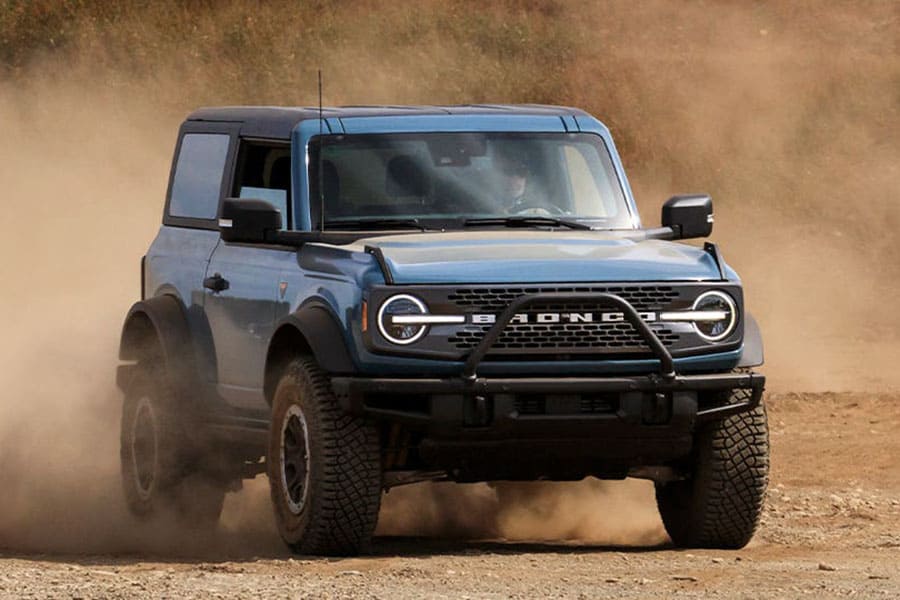
With 370 warranty claims and 36 field reports already stacked on Dearborn’s desk, the official fix involves swapping out the shoddy hardware for actual push pins, and presumably handing out new fenders to the drivers whose off-road beasts unexpectedly became a little too aerodynamic on the freeway.